Work Socks & Overshoes
Work socks come down to fit, warmth and how much wear you expect. Thicker pairs suit cold, hard-wearing jobs and sit better in boots, while lighter socks stay less bulky when room is tight. If you need to keep boots dry between jobs, overshoes are the other call. Use disposable ones for short-term protection, or waterproof versions when you’re moving in and out of wet areas. The usual mistake is buying on thickness alone. A sock that bunches, or a cover that slips, is the one that gets left in the van.
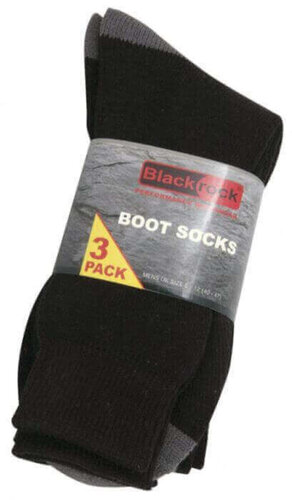
Blackrock Boot Socks 3 Pack - Black/Grey size 6-12
3-pack of black/grey boot socks for warmth and comfort, shoe size 6-12
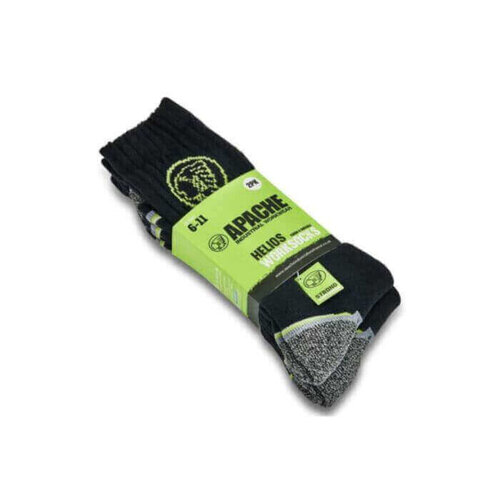
Apache Burlington Work Socks 3 Pack - Black size 6-11
Pack of 3 black work socks, size 6-11
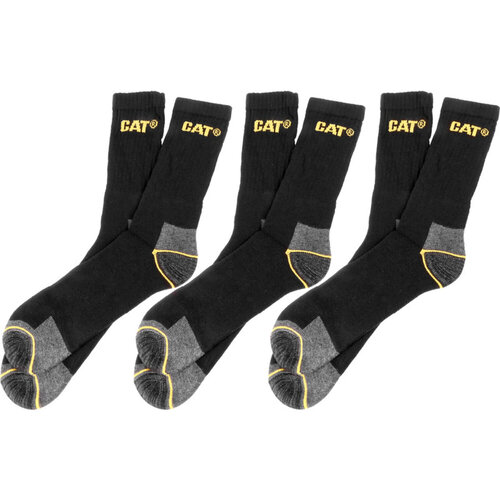
Caterpillar Crew Socks - Size 6-11 3 Pairs
CAT crew socks, black, cotton blend, size 6-11, 3 pairs.
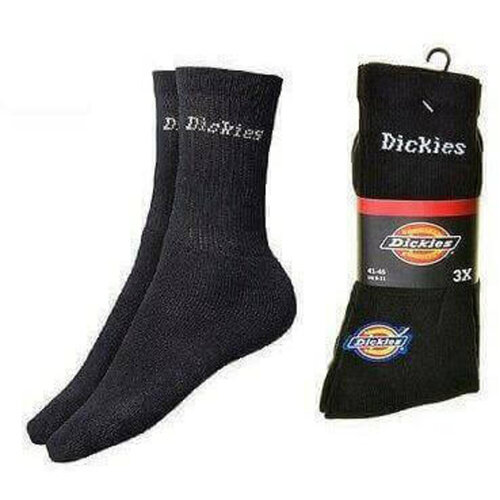
Dickies Utility Assorted Socks - 3 Pack
Pack of 3 pairs of utility socks in black, navy and grey.
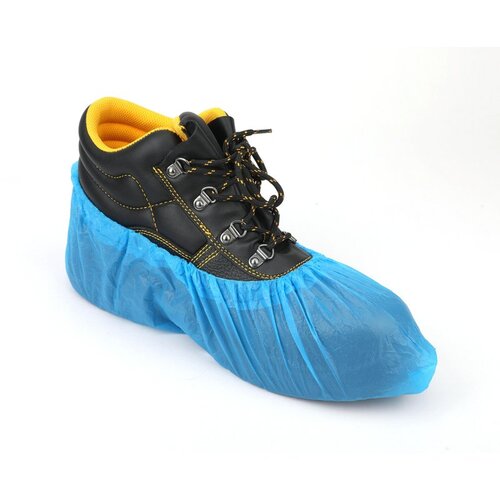
Maverick Safety Disposable Overshoes - 50 Pack
Blue CPE disposable overshoes supplied in a 50-pack
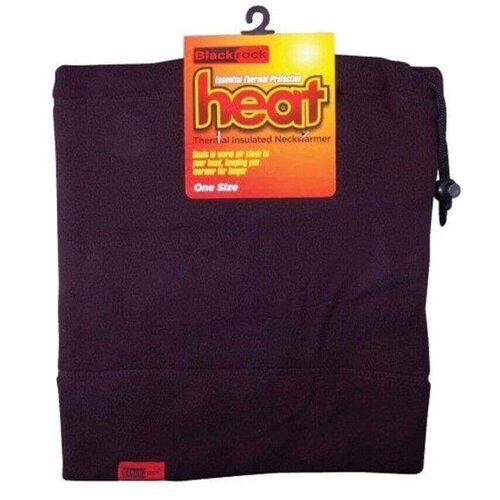
Blackrock 'Heat' Themal Socks - Black Size 6-13
Thermal socks with TOG rating, black, size UK 6-12
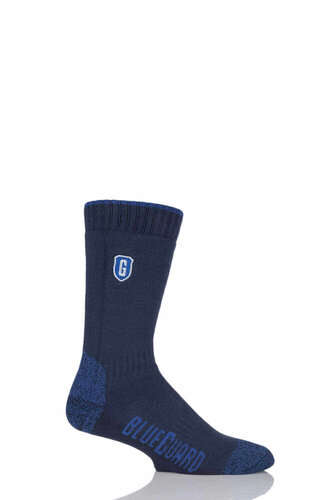
1 Pair Anti-Abrasion Durability Socks - Blueguard - Navy size 9-11
Durable work socks with anti-abrasion yarn and lifetime guarantee, navy size 9-1…
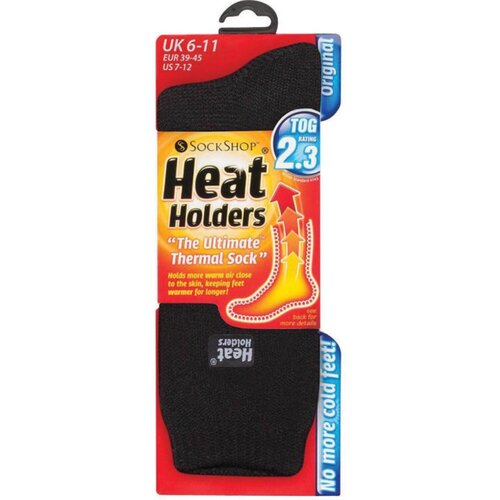
Heat Holders Men's Original Heat Holder Socks - Black
Men's black Heat Holders socks with 2.3 tog rating and brushed interior
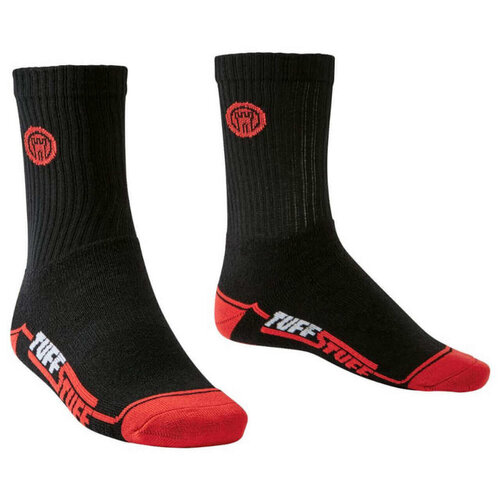
Tuffstuff Extreme Socks - Black One Size
Black one size work socks for durability and comfort in demanding environments
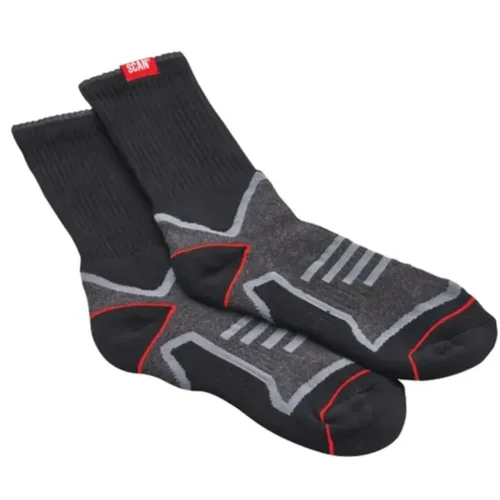
Scan Worker Socks - 3 Pack
Triple pack of black padded work socks in cotton blend with reinforced heel and …
For the Trade
You narrow work socks by the boot first, then the shift, then how much wear they’ll take. In tight safety boots, a slimmer pair usually sits better than a bulky one. Heavier work boot socks make more sense in roomier footwear or longer cold shifts. Overshoes are a different call altogether. You use them when you need to keep dirt or moisture off the boot itself, not to change how the sock feels inside it. Most returns come from buying on thickness alone and ending up with a poor fit.
Work Socks & Overshoes Types and Layouts
If you’re choosing between work socks and overshoes, start with the problem you need to solve.
Thermal work socks suit colder shifts and give you more warmth inside the boot. The trade-off is bulk, so they are not the best fit where space is tight.
Work overshoes do a different job. Use disposable overshoes for short-term protection when you only need a quick barrier. Choose rubber overshoes or other waterproof overshoes when you want something you can reuse and rely on for wetter ground. The fit and shape of your footwear still matter, so check Safety Footwear alongside the rest of your kit.
What to Check Before You Buy
Material usually narrows it down. Rubber overshoes suit repeated use when you need a barrier against wet ground and regular handling. They are bulkier, and they can run warmer in use. Disposable overshoes make more sense for short, clean access when you do not want to bring muck through, but they will not hold up if you need something to last.
With work socks, the main trade-off is thickness. A lighter pair works better in a tighter boot. A heavier or thermal pair makes more sense when you have room and want more insulation. A lot of returns come from buying on thickness alone, so check what the boot will actually take. If the job is more about protecting the footwear itself, Chainsaw Boots sit in a different lane. If the issue is worn-out kit rather than the sock or cover, Laces & Insoles are often the next thing to sort.
Useful Alongside Work Socks & Overshoes
Once you’ve picked the right work socks, the next call is what goes over them and how long they need to last on the job.
Disposable overshoes suit short, clean access. Waterproof overshoes or rubber overshoes make more sense when they’ll be reused and taken through wet ground. If the shift is cold as well as wet, sort thermal work socks early. A thin sock under a tight overshoe can leave you with a poor fit and a cold foot by the end of the shift.
Related searches
Local availability for Work Socks & Overshoes








