Safety Footwear
Safety footwear comes down to the job first: how much protection you need, how long you’re on your feet, and whether weight or ankle support matters more on site. Steel toe safety footwear still gets picked for hard wear and rough handling, while lighter pairs make more sense when you’re moving all day and don’t want a heavy boot dragging you down. Buy on the shift, not just the price. Too stiff, too hot, or not tough enough, and you’ll know about it by the end of the day.
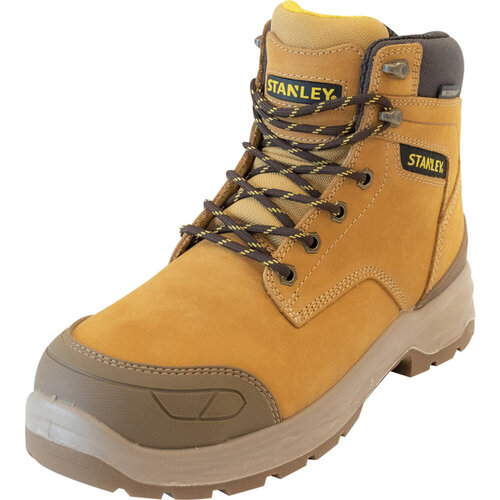
Stanley Gladiator Waterproof Safety Boots - Honey Size 9
Waterproof honey safety boots with steel toe cap and midsole, size 9
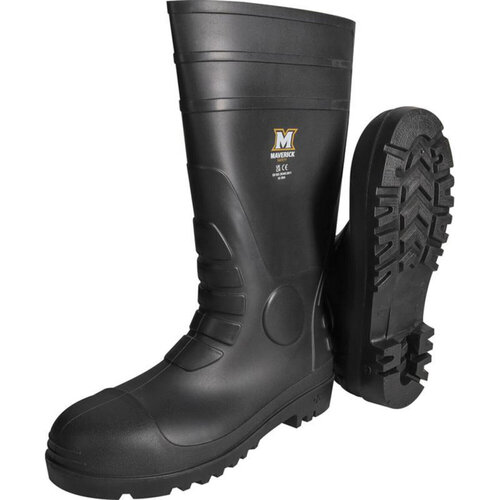
Maverick Storm Safety Wellington Boots - Size 10
Size 10 waterproof safety wellington boots with steel toe cap and midsole
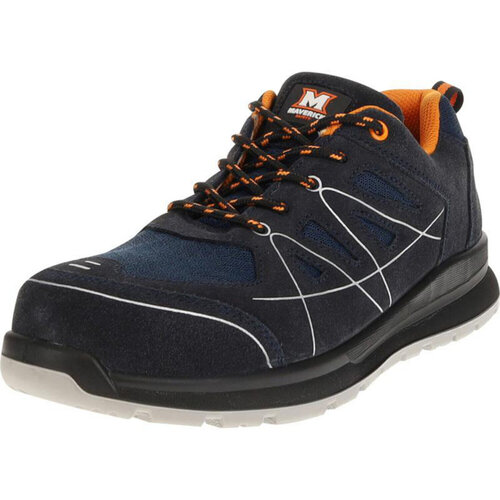
Maverick Flash Safety Trainers - Size 9
Black size 9 safety trainers with steel toe cap and midsole.
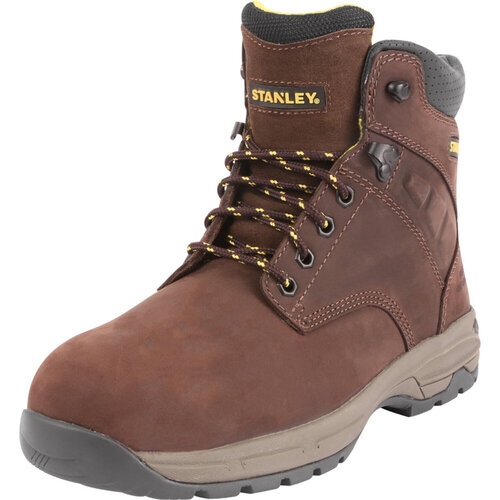
Stanley Impact Safety Boots - Brown Size 11
Stanley Impact steel toe safety boots, brown colour, size 11
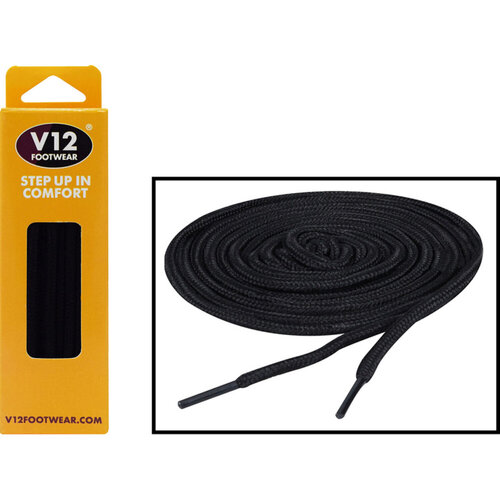
V12 Shoe Laces - Black
140cm black nylon shoe laces with nylon tips for safety footwear
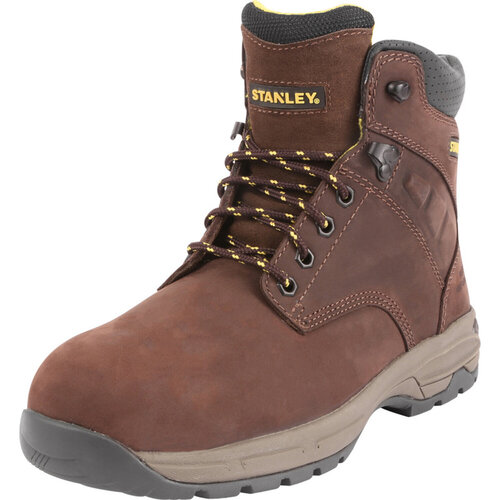
Stanley Impact Safety Boots - Brown Size 9
Stanley Impact steel toe safety boots, brown colour, size 9
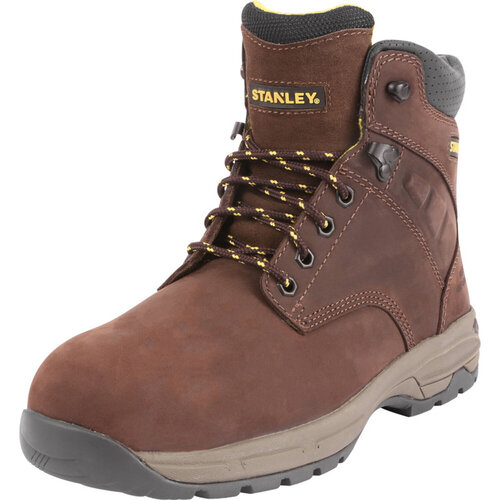
Stanley Impact Safety Boots - Brown Size 10
Stanley Impact steel toe safety boots in brown, size 10
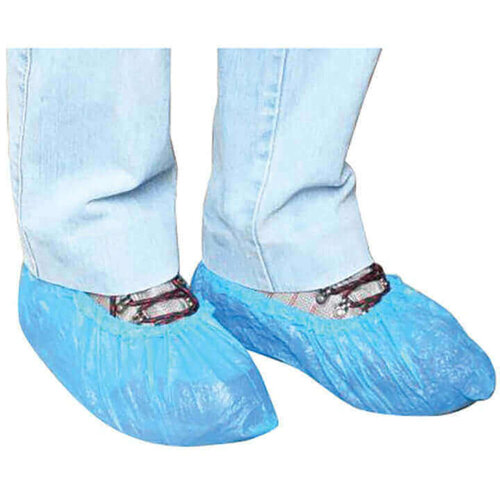
Disposable Overshoes - One size, 10 pairs
Pack of 10 disposable overshoes, one size fits all, to protect footwear.
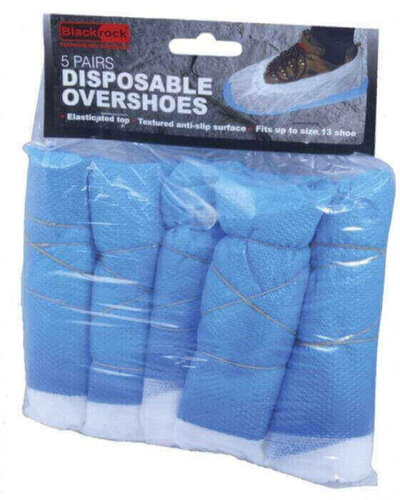
Blackrock Disposable Overshoes - 5 Pack
Pack of 5 water resistant disposable overshoes, fits up to size 13
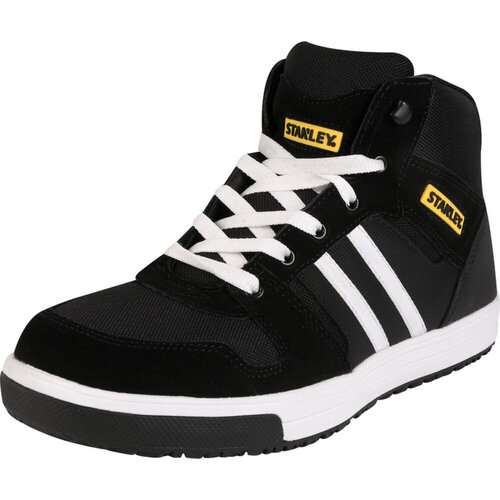
Stanley Orion Mid Safety Boots - Size 10
Black steel toe safety boot with composite midsole (Size 10)
For the Trade
Start with the space you’ve got and how you’ll use the pair. That usually cuts the field down fast. If you’re in tight access or climbing in and out all day, lighter safety footwear usually makes more sense. If the job is rougher and you’re dragging through muck or rubble, a more substantial build is the better call. Safety & Workwear is the parent hub if you need to step back and check the rest of the kit. For this page, the question is fit for the job, not the label. The wrong pair is the one that looks right on paper and stays in the van after a week.
Chainsaw Boots
Chainsaw work is where you stop comparing general safety footwear and put cut protection first. The rest comes after that.
You buy these for forestry, tree work, or regular saw use. Anything lighter is usually the wrong call.
Weight and ankle support still matter, because these boots are often on for long shifts. Heavier pairs can feel it by the end of the day.
If saw use is only occasional, some trades keep a separate pair rather than wear them all week. Chainsaw Boots
Laces & Insoles
If the pair’s only issue is wear and tear, this is the bit you replace first. Laces and insoles keep safety footwear serviceable without changing the whole boot or shoe. That’s the call when the upper is still sound but the fit has gone off.
Fresh insoles usually make more difference to comfort than people expect. New laces stop a decent pair being written off early. If the tread, toe or sole has had it, you’re into a new pair instead. For the narrower buy within this range, see Laces & Insoles.
Metal Free Footwear
Metal Free Footwear is the one you pick when metal in the shoe is the issue, not the protection level. It suits sites with scanners, electrical work, or jobs where you want to avoid cold spots and the extra weight of a steel toe safety footwear build.
You do give up a bit of that familiar rigid feel, so check the spec against the job rather than assuming any pair of safety footwear will do. If the brief is standard site wear, the rest of the range stays the more straightforward choice. Metal Free Footwear
Rigger Boots
Rigger boots are the pull-on option when you don’t want laces to deal with. They suit days when you’re in and out of your boots. The trade-off is less adjustment across the instep and ankle than you get with lace-up safety footwear.
If you want a closer fit or more hold on uneven ground, a lace-up boot or shoe is usually the better call. For trade safety footwear, weigh up how much you move, how much ankle support you need, and whether a pull-on boot will still feel right by the end of the day.
Safety Boots
Safety boots are the pair you reach for when you want more ankle coverage and a bit more substance than a low-cut shoe. They suit rough ground, longer shifts, and jobs where you want a more planted feel underfoot.
Compared with lighter safety footwear, you give up some freedom of movement and a bit of weight. In return, you get more support and a tougher build around the ankle and upper. On site, that extra structure often helps them last longer when the work is hard on footwear.
Safety Shoes
Safety shoes are the low-cut option when ankle coverage is not the deciding factor and you want less bulk underfoot. They suit trade safety footwear on hard floors, when you are moving between jobs, or working in tighter spaces.
The trade-off is simple. You give up some support and protection around the ankle. On rough ground or uneven surfaces, a boot is often the better call. If you are choosing between work shoes and a more substantial pair, this keeps the kit lean without dropping the safety spec.
What to Check Before You Buy
When you’re narrowing safety footwear down, start with what the job asks of it: hard wear, long shifts, wet ground, or plenty of walking.
Steel toe safety footwear is the pick when you want a firmer face for tougher daily use. The trade-off is weight, so it is less suited to long days on the move.
If the job needs other protection as well, check the rest of the PPE spec before you settle. That often decides the final choice more than the style does.
Useful Alongside Safety Footwear
Once you’ve picked the right safety footwear, the next call is usually what sits around the job. On fit-outs and refurbs, that means the panels, screens and finishes that go in after the floor is protected and access is sorted.
Storage and waste handling matter too. A tidy run keeps the area workable and stops you dragging muck back through finished spaces. If the job is being handed over in stages, choose the surrounding products with that sequence in mind - the wrong finish or screen can slow close-out more than the footwear ever will.
Related searches
Local availability for Safety Footwear