Fire Safety
Fire safety usually comes down to what the job needs covered first - extinguishers, blankets, alarms, or the brackets and stands to keep kit where it should be. For workplace fire safety, the main call is whether you need basic fire protection equipment for a small area or a fuller set for a busier site.
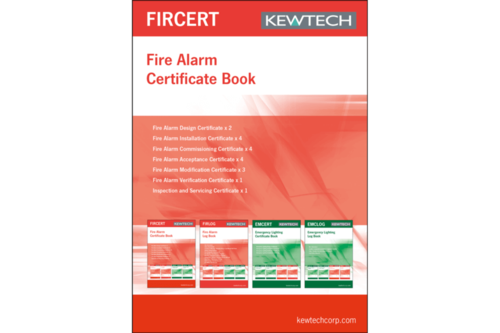
Kewtech Fire Alarm Certificate Book - A4
Fire alarm installation certificate book, 18 certificates, BS5839-1 compliant.
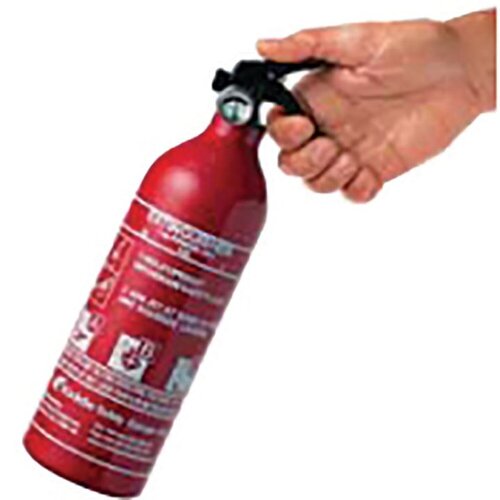
Kidde All Purpose EN3 Dry Powder Fire Extinguisher
Kidde all-purpose 1kg EN3 dry powder fire extinguisher with A-B-C rating
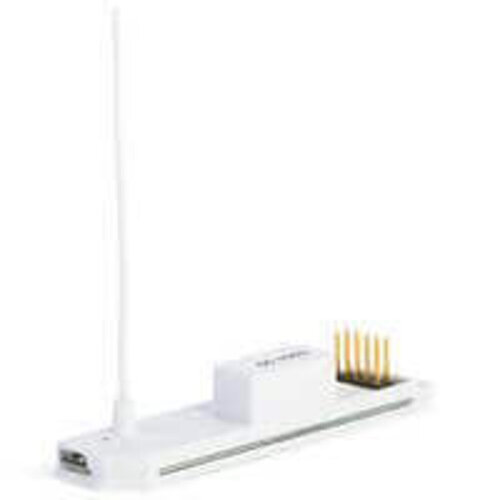
Aico Radiolink Module
Wireless interconnection module for Aico 160e series and Ei2110e alarms
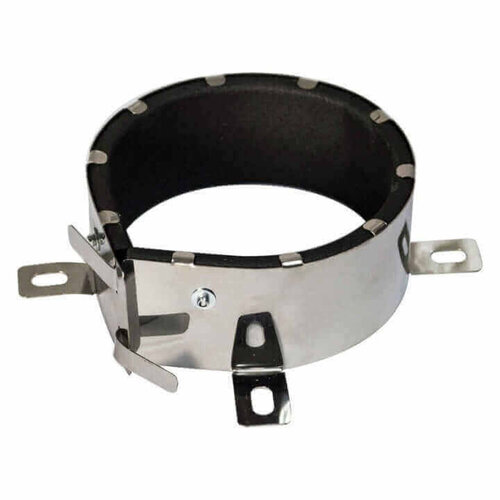
Fire Protection Collar - 110mm
Fire protection collar for 110mm soil pipe installations, model FC110
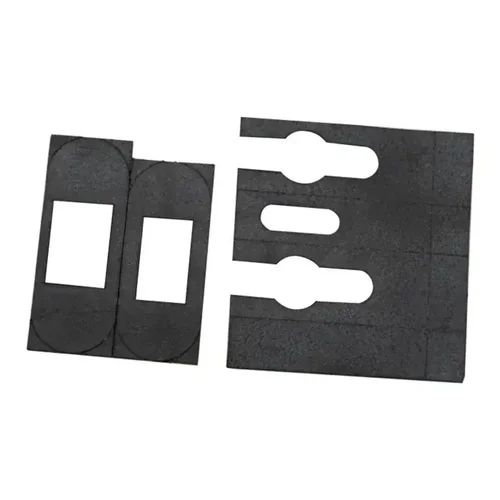
Intumescent Tub Latch Kit
Intumescent tubular latch kit for fire protection of door assemblies.
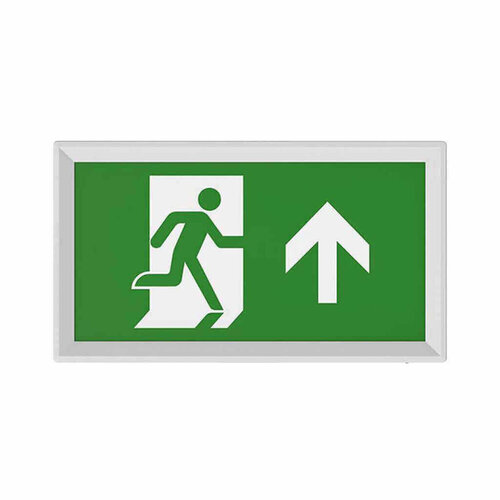
V-TAC Self Test LED Emergency Exit Box with Arrow Up Legend
Self-test LED emergency exit box with arrow up legend
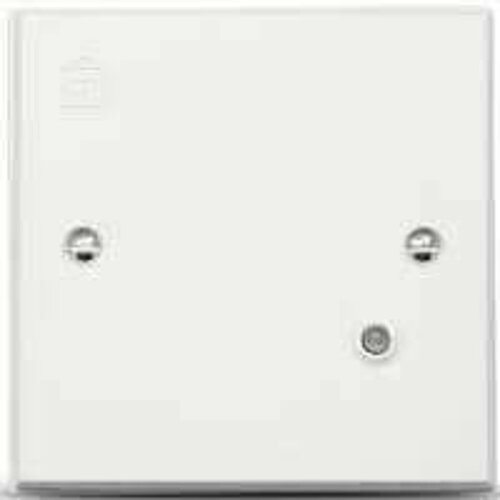
Aico Radiolink Switched Input Module
Wireless RadioLINK module triggers Aico alarms from external devices
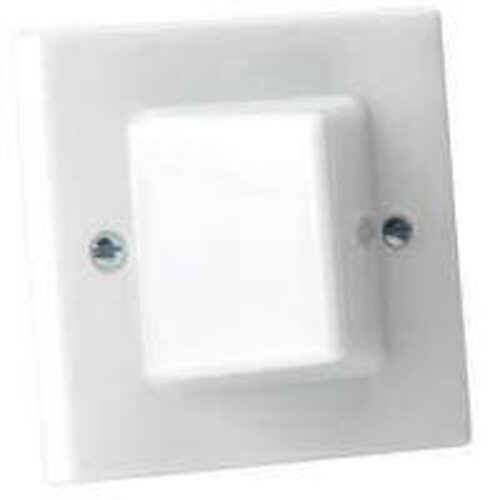
C-TEC Overdoor Light & Sounder
Overdoor light and sounder for 800 Series alarm calls, providing audible and vis…
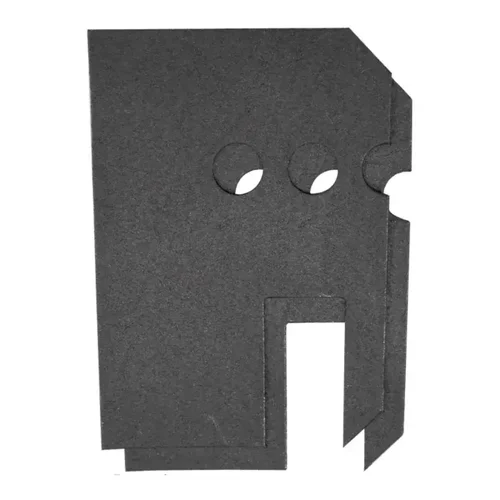
Intumescent Sashlock/Deadlock Kit
Intumescent sashlock/deadlock kit
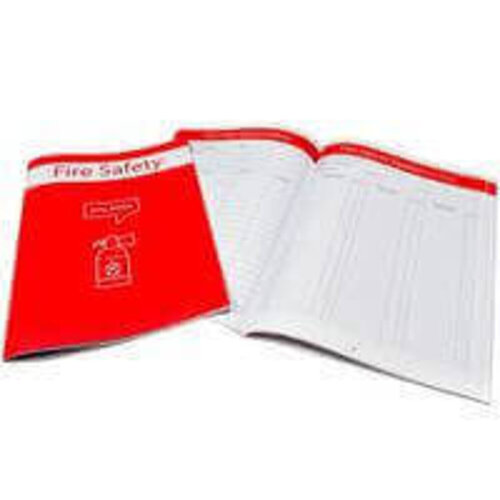
Centurion Fire Safety Log Book Spectrum
Fire safety log book compliant with UK fire safety regulations
For the Trade
Start with the space you’ve got and how the kit will be used. That usually fixes the layout before anything else. A tight plant room, a warehouse aisle, and a reception area all push you towards different fire safety choices. Get the format wrong and it ends up in the way or gets moved off the job. After that, look at what needs to be reached quickly, what needs to stay visible, and what has to sit where people won’t knock it. Finishes and accessories matter, but only once the placement and use case are right.
Fire Safety Options Compared
The first split is usually between fixed cover and portable kit. Fixed items suit jobs where the spec wants equipment left in place and easy to find. Portable fire safety equipment works better across changing work areas because you can move it with the job.
Brackets and stands are the usual call when you need kit kept visible and off the floor. The trade-off is simple: they add another item to fix and maintain. If you’re building out workplace fire safety for a site, start with the Safety hub and narrow it by how permanent the protection needs to be, not just by price.
Choosing Materials and Size
For fire safety, the choice usually comes down to what needs to stay visible, what needs to move, and what the site will tolerate. Fixed kit suits areas that stay signed off in one place. Portable kit works better when the layout changes or the risk moves with the job.
If you need the item kept obvious and off the floor, brackets or stands are worth using. They do add another thing to specify, so they suit sites where access and presentation matter more than keeping the setup minimal.
If the job also needs records or identification, Asset Tags are often bought at the same time. Where the brief includes emergency response as well, First Aid is usually the next stop.
Completing the Setup
Once the main fire safety kit is chosen, the next job is what sits around it. In a plant room or corridor run, that usually means the fixing and storage side - brackets, stands, cabinets, and any panels or screens that keep the equipment where it should be and easy to reach.
A loose item gets moved, hidden, or knocked. That is where call-backs start. On larger commercial fire safety jobs, the surrounding finishes matter as much as the kit itself. Protection needs to stay in place, stay visible, and stay tidy.
Related searches
Local availability for Fire Safety











