First Aid
For most jobs, the choice is less about the label and more about what you need in the box. Basic first aid kits suit lighter workplaces where you only need the core dressings and wipes to hand. Larger first aid boxes or first aid cabinets make more sense when you want better organisation and room for refills. A first aid pouch works when portability matters more than capacity. Once it starts getting overfilled, it gets messy and hard to check.
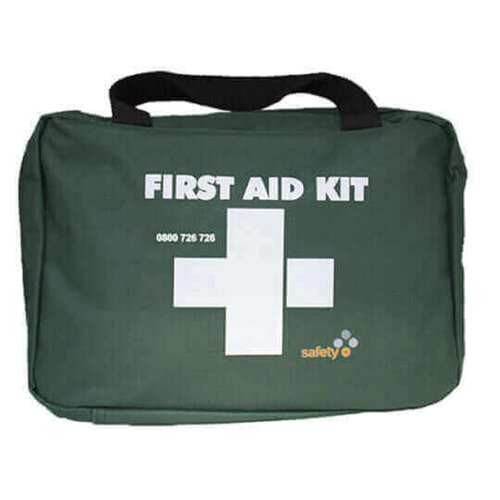
Person First Aid Kit - Soft Pouch
Blackrock Person First Aid Kit in soft pouch
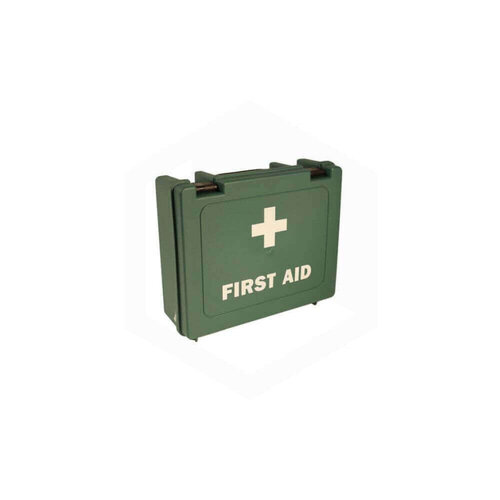
First Aid Kit - 10 Person
First aid kit for up to 10 people
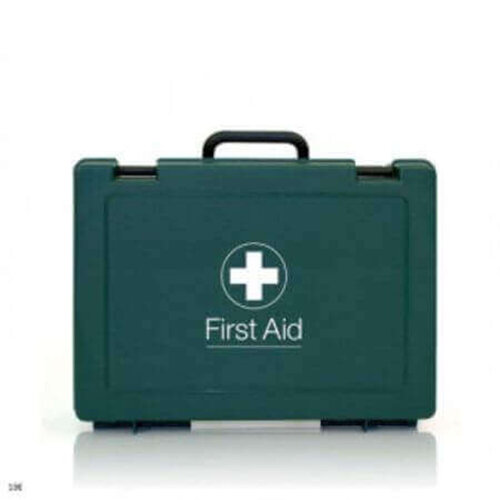
Crest Medical First Aid Kit for 10 People, Carrying Case - Green
First aid kit for up to 10 people in a green carrying case
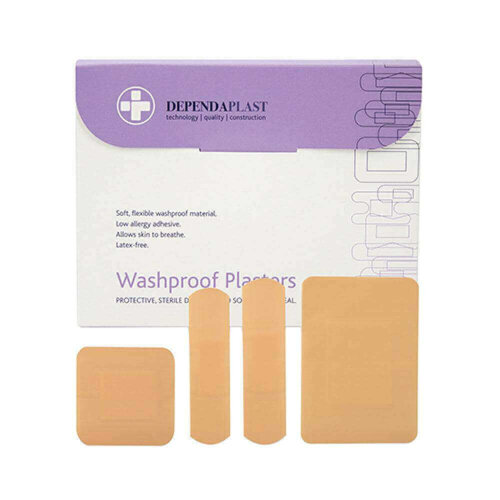
Timco Washproof Plasters Assorted - Box of 100
Box of 100 washproof, sterile plasters with stretch and cushioning
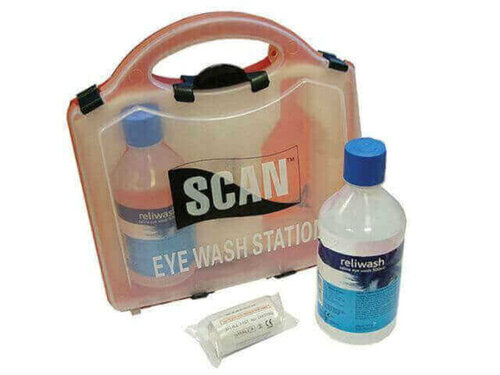
Scan Eye Wash Station Kit
Wall-mountable eye wash kit, sterile saline, pack of 10
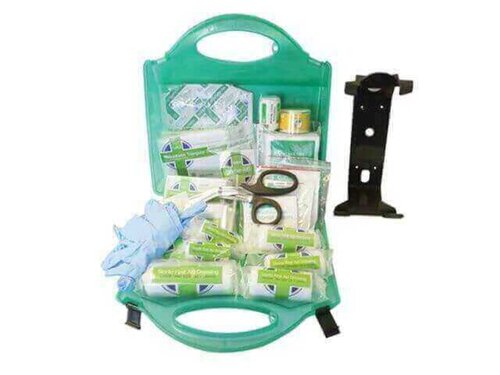
Scan First Aid Kit - 1-100 Person
Scan first aid kit for 1-100 persons, compact polycarbonate case with wall brack…
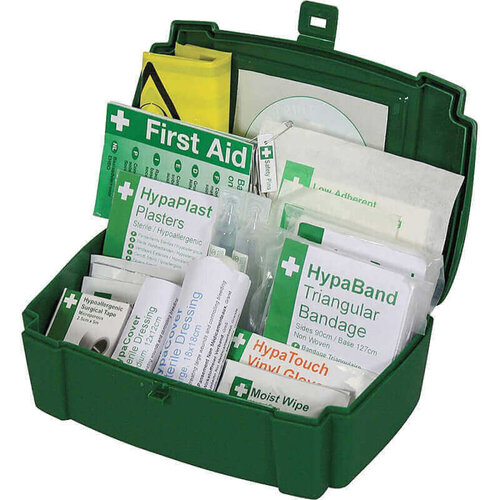
Safety First AID HSE Vehicle First Aid Kit
Road Traffic Act compliant vehicle first aid kit in compact durable case
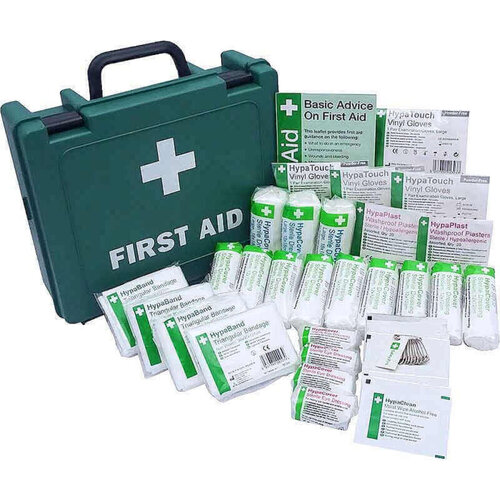
HSE First Aid Kit - 11-20 Persons
HSE-compliant first aid kit for 11-20 persons
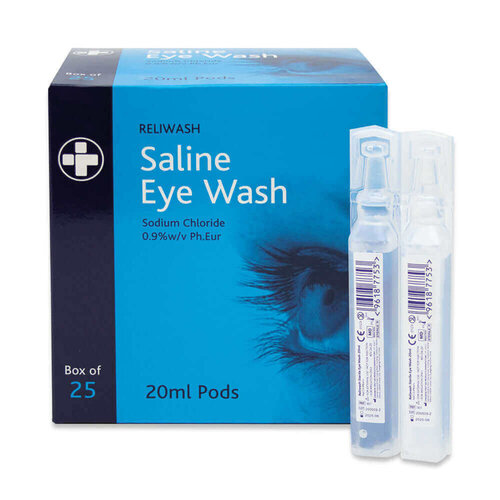
Focus Fixings Eye Wash Saline Pods - 20ml x 25 Pack
Sterile saline eye wash pods, 20ml, pack of 25.
For the Trade
Start with the space you’ve got and how the kit will be used, then the rest falls into place. If it stays on one site, a fixed first aid box or first aid cabinet usually makes more sense because you can keep the contents together and easy to check. If it needs to move between vans, jobs or floors, a smaller first aid kit or first aid case is less awkward to handle. A first aid pouch suits the bits you want close to hand, but you give up capacity. The common mistake is buying on label alone, then finding the layout does not suit the way your team actually works.
Popular First Aid Formats
Most jobs come down to how fixed the kit needs to be and how quickly you want people to get at it.
A standard first aid kit is the usual all-round buy for general work. Workplace first aid kits and work first aid kits sit in the same bracket when you want the label to match the job.
Trade first aid kits and industrial first aid kits suit busier areas or kit that will take more knocks. You give up a bit of neatness for a tougher layout.
A first aid box works when you want contents kept together and easy to check. If the kit needs to move with the job, a box is the wrong shape.
A Safety buyer will usually be looking at that split first.
Key Differences When Choosing
If the kit stays in one place, a cabinet or box is the usual call. It gives you a fixed home, so it’s easier to keep complete and check at a glance on busier jobs.
A pouch suits kit that moves between areas or lives in a van. You gain portability, but you lose capacity and tidy storage.
For a quick grab-and-go setup, a compact case does the job. It runs out of room fast once you start adding extra first aid supplies.
If you also need clear labelling or controlled access, Asset Tags and Fire Safety are the next calls, not a bigger kit.
Next Decisions After Choosing
Once you’ve picked the right first aid kits, the next call is how you’re housing and restocking them. A first aid box or first aid cabinet keeps the kit together and easy to check. A first aid pouch works better when the contents need to move with the job.
Keep an eye on first aid refills as well. That’s where kits usually get left short after the first call-out. On busier sites, a workplace first aid box with spare first aid supplies is a safer bet than a tidy kit that’s half empty when someone opens it.
Related searches
Local availability for First Aid









