Safety Signs
Choose safety signs by the message first, then by where they’re going and how long they need to stay legible. On site, the usual split is between warning signs, mandatory signs and prohibition signs, with the format changing if you need a simple board, a notice panel or something that stands up better in harsher conditions. The jobs that get called back are usually the ones where the message was right but the layout was wrong for the fixing or the viewing distance.
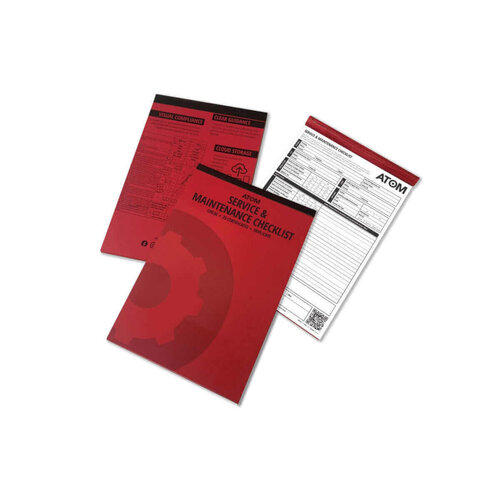
Atom Maintenance Record
A4 triplicate maintenance record pad with 25 certificate sets
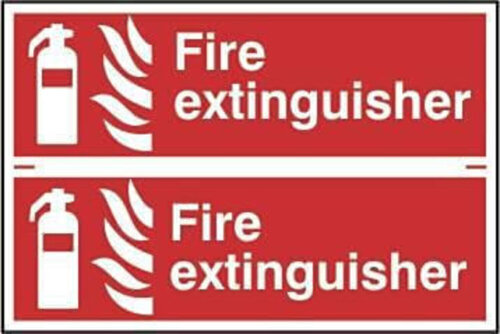
Spectrum Safety Sign Fire Extinguisher 2 Panels - 300X200MM
Fire extinguisher safety sign, 300 x 200 mm, indoor and outdoor use
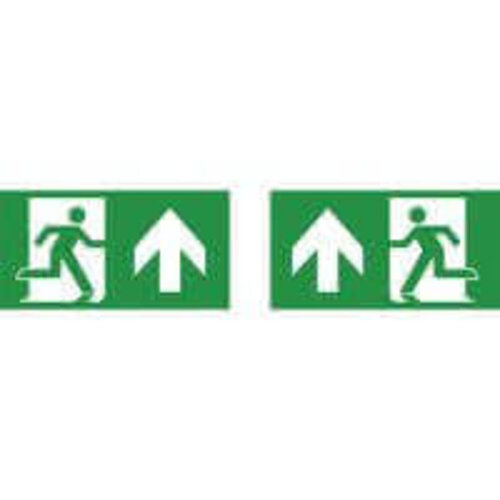
Luxna Emergency LED Hanging Sign Running Man Arrow Up
Luxna emergency LED hanging sign with running man arrow pointing up.
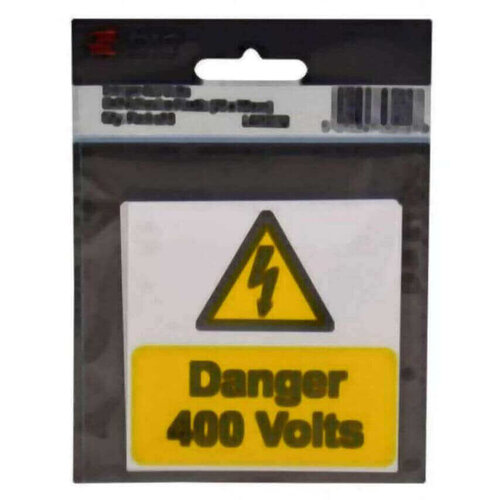
Spectrum Industrial Danger Fire Risk PVC Sign - 200mm x 300mm
Danger Fire risk PVC safety sign, 200mm x 300mm
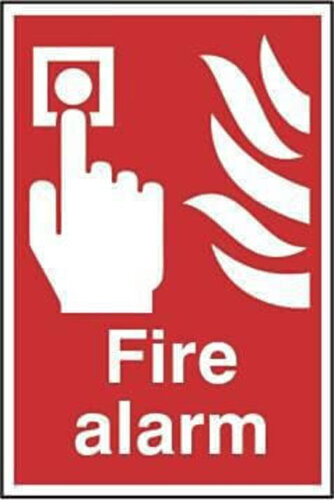
Spectrum Safety Sign Fire Alarm - 200X300MM
Fire alarm safety sign, 200x300mm, for indoor and outdoor use
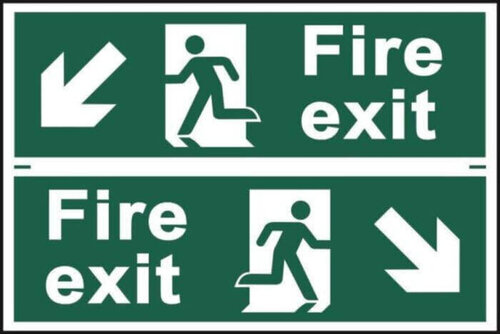
Spectrum Safety Sign Fire Exit Man Diagonal Arrows Down 2 Panels - 300X200MM
Fire exit sign with down arrows, self-adhesive, 300x200mm
![Safety Label 'Pass Test', Self Laminating - 35mm x 15mm [Roll of 250]](https://tradekart.azureedge.net/tradekart/VariantThumbs/bce339ca-9f7a-463f-9970-827562eb9f51.jpg)
Safety Label 'Pass Test', Self Laminating - 35mm x 15mm [Roll of 250]
Self-laminating 'PASS TEST' safety label, 35x15mm, 250/roll
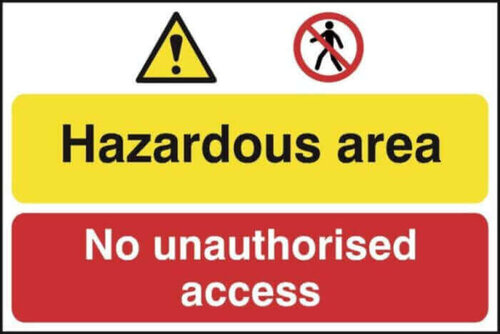
Spectrum Jumbo Safety Sign Hazardous Area / No Unauthorised Access - 600X400MM
Hazardous area/no unauthorised access sign, 600x400mm, self-adhesive, indoor/out…
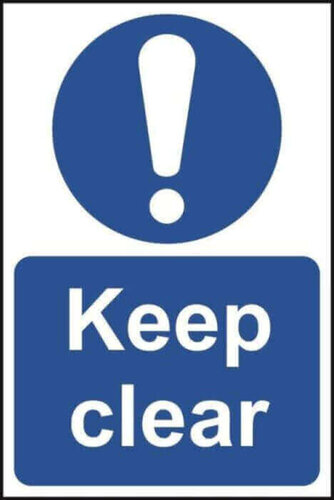
Spectrum Safety Sign Keep Clear - 200X300MM
Self-adhesive 'Keep Clear' sign, 200x300mm, for indoor and outdoor use
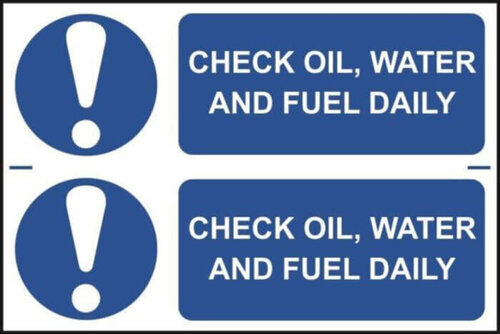
Spectrum Safety Sign Check Oil, Water and Fuel Daily 2 Panels - 300X200MM
Self-adhesive safety sign 300x200mm, two panels, indoor/outdoor use
For the Trade
Start with the space you’ve got and how the sign needs to be read. That usually decides the format before anything else. A tight doorway, fence run or busy wall needs a different layout to a longer notice point, and a sign that’s too small or crowded gets missed. After that, look at the message and where it’s going. Warning signs, mandatory signs and prohibition signs all do a different job, but the real call is whether you need something clear indoors or a tougher face for site use where scuffs and weather are part of the job.
Safety Sign Options Compared
The first split is usually between a single sign and a board. A lone sign works when you’ve got one clear instruction or warning. Safety sign boards make more sense when you need several messages in one place, such as a compound entrance or a busy welfare area.
Health and safety signs and workplace safety signs cover general rules and notices. Site safety signs and construction safety signs suit messages tied to the job itself. Trade safety signs sit between the two. They give you more room than a single plate, without the bulk of a full board.
Choosing Materials and Size
Material and size usually come down to where the sign is going and how long it needs to stay clear.
For a short internal instruction, a simple board or rigid sign is usually enough. In exposed areas, you need a face that stays flat and readable, without curling or fading too quickly.
Bigger formats help where people are moving past at speed. They are wasted if wall space is tight or the message is short.
If one board needs to carry several notices, that is when Asset Tags or a notice board style starts to earn its keep. Keep Fire Safety separate where the spec needs its own clear message. Mixing it into general safety signs makes the job harder to read.
Completing the Setup
Once the main signs are sorted, the next call is what sits around them. If you are putting up a run of messages in one place, a board or panel keeps them together instead of scattering separate signs across the wall. A cleaner finish also stops the job looking patched together.
On bigger sites, the choice usually comes down to what is already nearby - storage, access points, or a line of notices that still needs to stay readable. At that point, safety signs stop being a one-off buy and become part of the rest of the setup.
Related searches
Local availability for Safety Signs












