Safety
Start with the risk that’s actually there - head, hand, eye or visibility. A lighter spec works for routine jobs, but once the task brings impact, abrasion or poor visibility, you need to step up rather than mix and match on price alone. The usual mistake is buying one item to cover everything and finding it is the wrong compromise for the job.
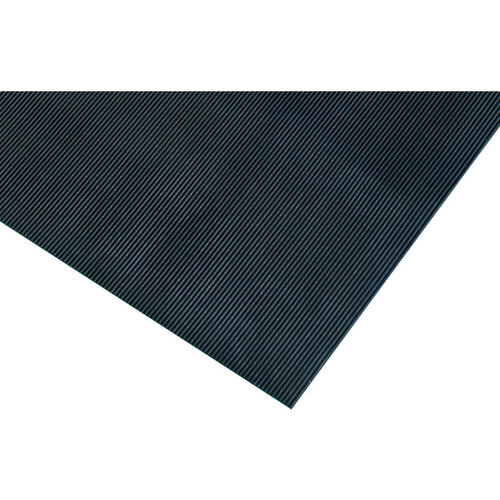
Rubber Rib Anti-Slip Floor Matting - 915mm x 2.5m
3mm thick rubber anti-slip matting, 915mm x 2.5m, black
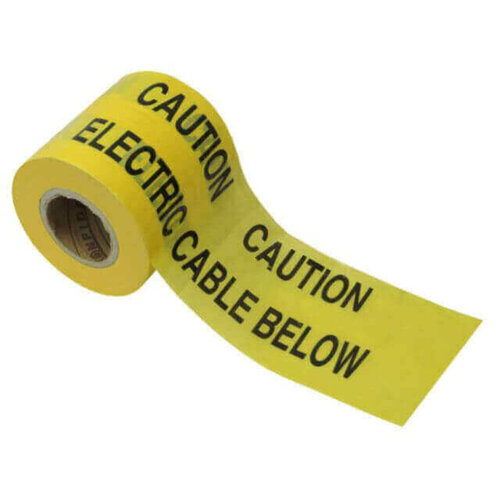
Faithfull Warning Tape Caution Electrical Cable Below - 150MM X 365MTR - YELLOW
Yellow warning tape, 150mm x 365m, alerts to buried electrical cables
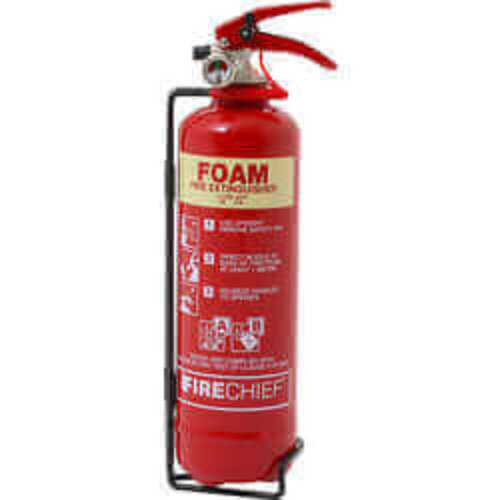
Firechief Foam Fire Extinguisher - 1L Rating 5A 21B
1L foam fire extinguisher with 5A 21B rating
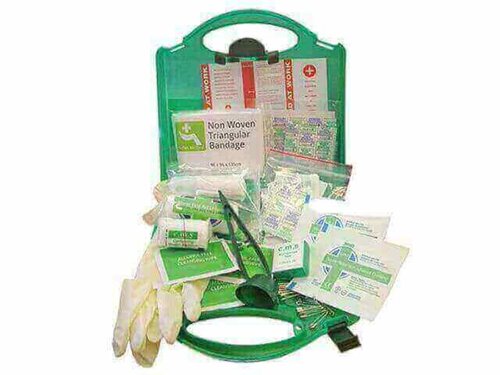
Scan First Aid Kit - 1 Person
Scan first aid kit for 1 person, compact polycarbonate case with wall bracket.
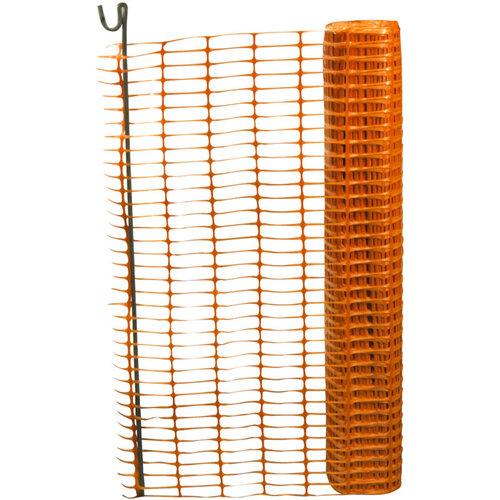
Orange Safety Fencing - 1m x 50m
Orange safety fencing, 1m x 50m, temporary mesh barrier
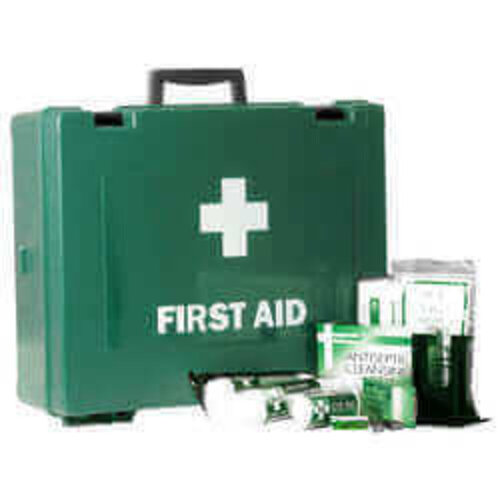
HSE Compliant First Aid Kit - Large 1 - 50 People
HSE compliant first aid kit for 1-50 people, with plasters, dressings and bandag…
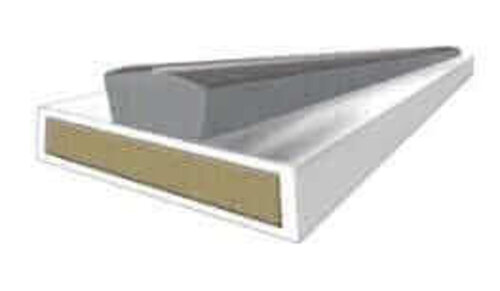
Astroflame Intumescent Smoke Seal Strip 30 Minutes Rated - 4X10X2100MM - White
White intumescent smoke seal strip, 4 x 10 x 2100mm, 30-minute fire resistance.
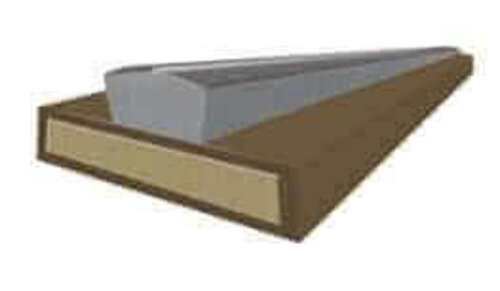
Astroflame Intumescent Fire Seal Strip 30 Minutes Rated - 4X15X2100MM - Brown
Brown 30-min fire rated intumescent seal strip, 4x15x2100mm
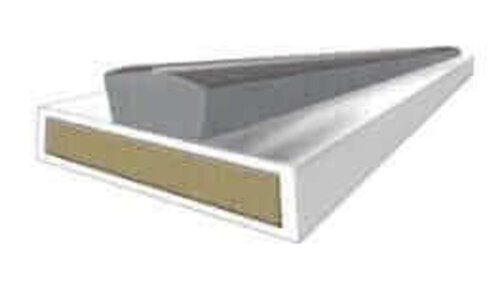
Astroflame Intumescent Smoke Seal Strip 30 Minutes Rated - 4X15X2100MM - White
White intumescent smoke seal strip, 4 x 15 x 2100mm, 30-minute fire resistance.
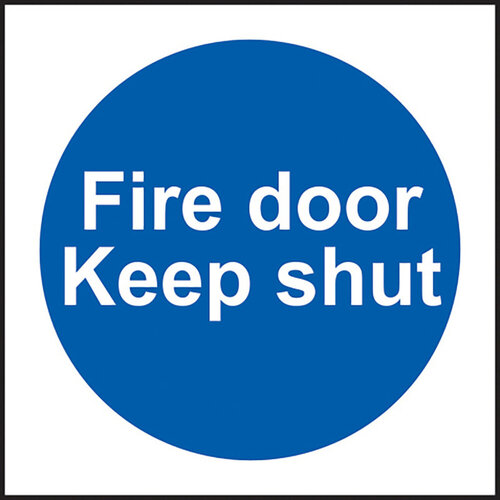
Fire Safety Sign - Fire Door Keep Shut
Green fire exit sign with down arrow, 400 x 150mm, non-adhesive PVC
For the Trade
You’ll narrow safety equipment fastest by space and use first, not by finish or add-ons. If storage is tight, or you’re kitting out a small van, keep to the items you’ll actually reach for. On a bigger site setup, a fuller spread makes sense. Safety & Workwear is the parent hub if you need to split the order out. After that, match the spec to the task. Safety helmets, safety gloves, safety goggles and safety harnesses each solve a different problem. Buy the wrong one and you end up carrying kit that never gets used.
Asset Tags
Asset Tags are what you buy when kit, plant or tools need proper identification, not just a quick mark-up. They sit apart from the rest of the safety equipment range because the choice comes down to durability, fixing method and how much abuse the tag will take.
If it’s going on gear that gets handled every day, you want something that stays legible and doesn’t tear off at the first knock. For a narrower buy within this range, see Asset Tags. If the job is about warning people or controlling movement, you’re into safety signage or another category instead.
Fire Safety
Fire Safety comes into play when you need fire-related kit and notices kept separate from the rest of your safety equipment. You’d usually pick this over general safety supplies when the spec is about warning, containment or response rather than day-to-day PPE. That keeps the order cleaner and saves you sorting through the wrong range.
Keep the fire side focused, then use the other ranges for the rest of the site kit. If you also need identification for plant or kit, Fire Safety sits alongside the other job-specific categories without blurring the brief.
First Aid
How much kit you keep on hand, and how fast you can reach it, matters most with First Aid. Small jobs and short crews often only need the basics kept close. Busier sites usually need more capacity and easier replenishment, so one box does not end up feeding another.
Most call-backs come from the wrong format for the job. It is either too little for the crew, or a kit that is awkward to top up. If you need the narrower buy in this range, go to First Aid.
Floor Safety
Floor Safety is the bit you pick when the problem is underfoot, not with the rest of the kit. You’re usually choosing between grip, warning, or protection for a specific area. What you buy comes down to how long the hazard will be there and how much traffic it gets.
Temporary spill control needs something quick to put down and easy to replace. A more permanent slip problem usually needs a tougher fix. General safety equipment will not sort a floor issue if the surface still stays wet, loose, or uneven.
Safety Signs
Start with what the sign needs to do. Warn, prohibit, or direct. That choice sets the type and the message.
If the hazard is live, clear safety signage is the one to use. A generic notice will not do the same job, and it is often the first thing checked on a busy site.
Keep it separate from the rest of your safety equipment so it does not disappear in the kit. For a one-off area, a simple sign is usually enough. If the risk stays in place, use something more permanent and harder to miss.
Spill Kits & Spillage Control
For spill work, start with what you are dealing with - oil, coolant, chemicals, or general site mess. That decides the absorbency and the disposal route.
A light kit handles the odd leak. It will not keep up if the same area gets hit through the day.
Bigger packs suit fixed points where you need to clear and reset quickly. Loose absorbents make more sense when you are topping up a van or plant room.
If the spill risk comes from one process, keep it separate from the rest of your safety equipment. You want it grabbed first when it is needed.
What to Check Before You Buy
Start with the risk, then the wear rate. If you need safety equipment for sharp edges, abrasion or repeated handling, go for the tougher end of the range. It costs more, but it usually lasts better than the light stuff that gets binned after a few shifts.
Where the job is mainly visibility or basic site control, lighter items are often enough and easier to keep in the van. Helmets, gloves and goggles all do different jobs, so don’t overbuy one type to cover another. If the job needs broader cover, move into PPE rather than trying to make one item do everything.
Useful Alongside Safety
Once you’ve picked the main safety equipment, the next call is what finishes the job around it. On busier sites, that usually means safety signage and a few visible items that keep the area clear and easy to read. On smaller jobs, you may only need the basics and a tidy way to store them so they’re close at hand.
If you’re issuing kit to a team, safety vests and safety helmets are often bought alongside the core items because they get used and replaced at different rates. Keep Asset Tags in mind as well if you’re tracking gear across vans or stores. They help you keep control when kit goes missing.
Related searches
Local availability for Safety

















