Waterproof Suits
When you’re choosing waterproof suits, start with how long you’ll be in the rain and how much movement you need. Lightweight waterproof suits are easier to keep on all day and pack down better, but they usually give up a bit of toughness. Heavy duty waterproof suits make more sense where you’re dealing with rougher site use, kneeling, or repeated wear, though they can feel bulkier. If you only need a quick outer layer, rain suits are fine. For harder jobs, trade waterproof suits are the better buy.
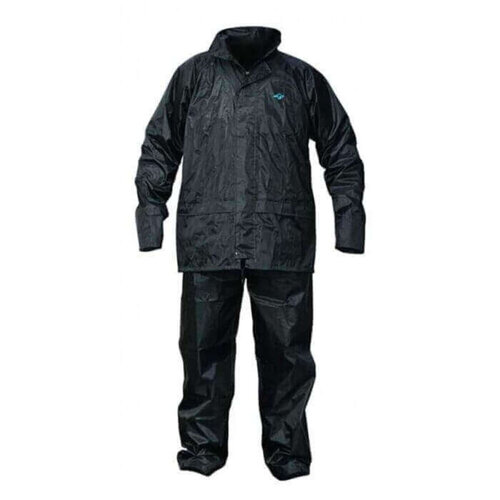
Ox Durable PVC Rain Suit - L - Black
Waterproof black PVC rain suit, size Large
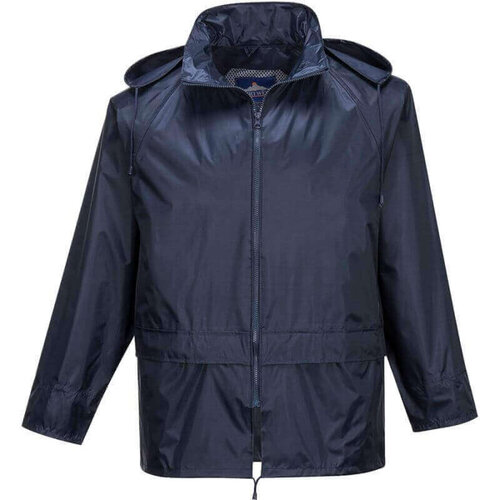
Portwest Essentials Rainsuit - Medium
Medium navy rainsuit, waterproof with taped seams and UPF 40+ protection
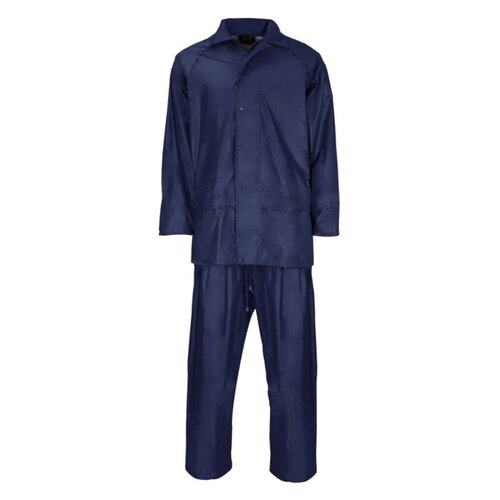
Hardedge Waterproof Jacket & Trouser Set - XL Navy
XL navy waterproof jacket and trouser set with concealed hood
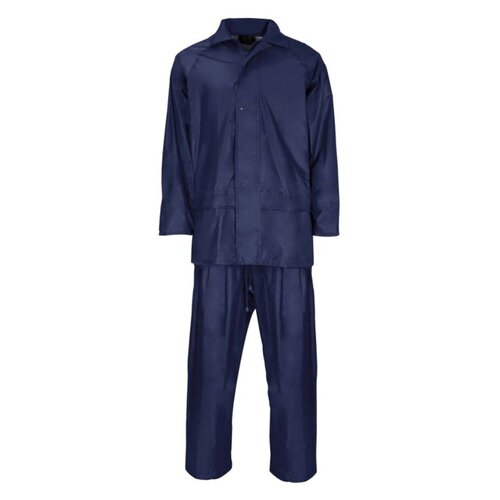
Hardedge Waterproof Jacket & Trouser Set - Medium Navy
Navy waterproof jacket and trouser set in medium
For the Trade
Start with how you’ll use it and how much room you’ve got to move. A close-fitting site job usually rules out bulk. A rougher shift with more abrasion can justify a tougher build, even if it feels less easy to wear. The trade waterproof suits that come back most often are the ones bought on price alone, then found awkward in the cab or too stiff once you’re on the move. Keep the cut, weight and coverage in mind before you look at extras. That usually decides whether it gets worn or left in the van.
Waterproof Suit Types and Layouts
Lightweight waterproof suits suit jobs where you are in and out of the weather and want less bulk. Heavy duty waterproof suits make more sense when the suit will take abrasion and rough handling.
Trade waterproof suits sit in the middle for everyday site use. You get a steadier balance without overbuying. If you only need wet weather gear for short spells, the lighter option is usually enough. If the suit lives in the van and gets dragged through hard work, go heavier. Workwear is the parent range if you are comparing it against other kit.
What to Check Before You Buy
The first question is how hard the suit will be worked. For short spells in the rain, lighter waterproof suits are easier to wear because they pack down and move better. The trade-off is less toughness.
In rougher conditions, heavy duty waterproof suits are the safer buy. They handle abrasion and repeated use better, but they add bulk and feel less forgiving when you are climbing in and out of kit.
For everyday site use, trade waterproof suits usually sit in the middle. If you need extras like storage or replacement parts, look at Workwear Accessories. If you want a one-piece format instead, Boiler Suits & Coveralls is the closer call.
Useful Alongside Waterproof Suits
Once you’ve picked the right waterproof suits, the next call is what sits around them on the job. On exposed plant, in storage yards, or on a wet fit-out, you usually want the rest of the wet weather kit to match the same shift, not a mixed bag of light and heavy pieces.
Think about what goes over other layers, what needs to stay flexible, and what gets thrown in the van after a soaking. A rain suit that stows easily suits one job. A heavier set that stands up to repeated rough use suits another.
Related searches
Local availability for Waterproof Suits




