Work Hoodies & Sweatshirts
Work hoodies are usually chosen on warmth, weight and how much movement you need through the day. A zip front work hoodie helps when you are in and out of layers, while a pullover cuts snag points and adds a bit more bulk through the body. If the job is hard on kit, go heavier. If you are carrying tools or climbing in and out of vans, a lighter work sweatshirt can be easier to live with.
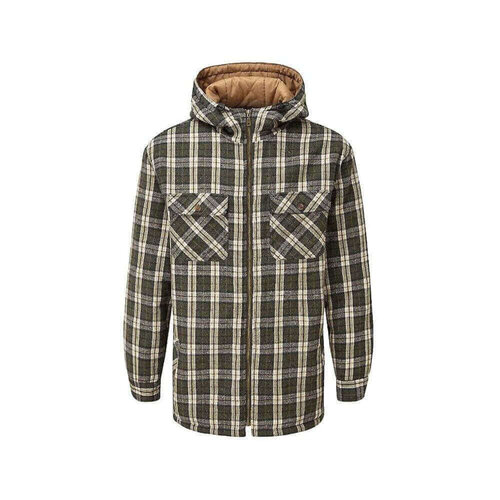
Fort Workwear Penarth Hoodie - L Navy/Green
Navy and green size L work hoodie with tartan outer and sherpa fleece lining
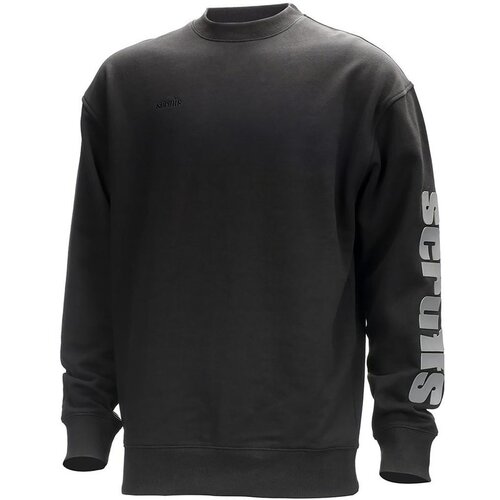
Scruffs Fintry Sweatshirt Black - Large
Men's black Scruffs Fintry sweatshirt, size Large
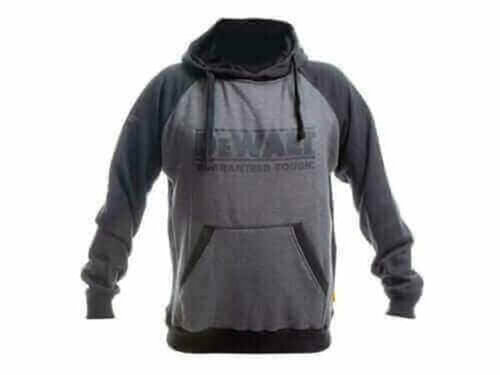
Dewalt Stratford Hoodie - Medium
Grey marl hoodie size medium with large DeWalt logo, 65% polyester, 35% cotton
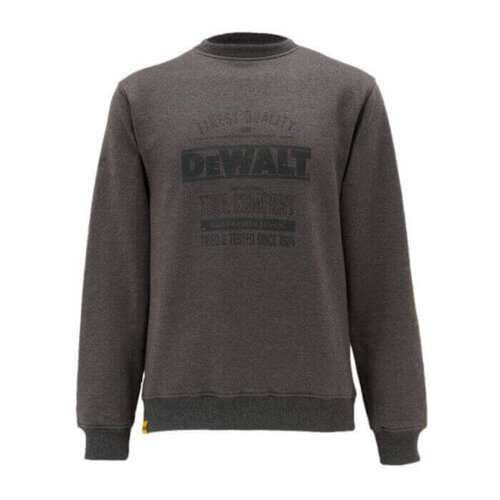
Dewalt Delaware Crew Neck Sweatshirt - M - Charcoal Grey
Charcoal grey crew neck sweatshirt, size M
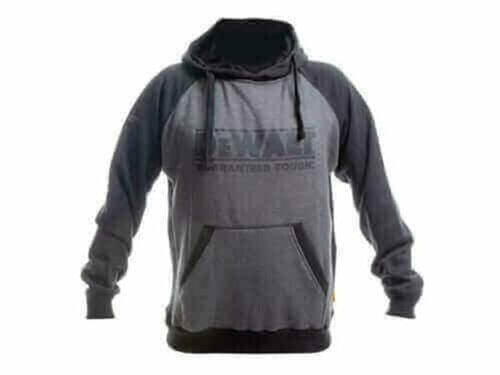
Dewalt Stratford Hooded Sweatshirt B/G - XXL - Grey/Black
Dewalt Stratford hooded sweatshirt in grey/black, size XXL
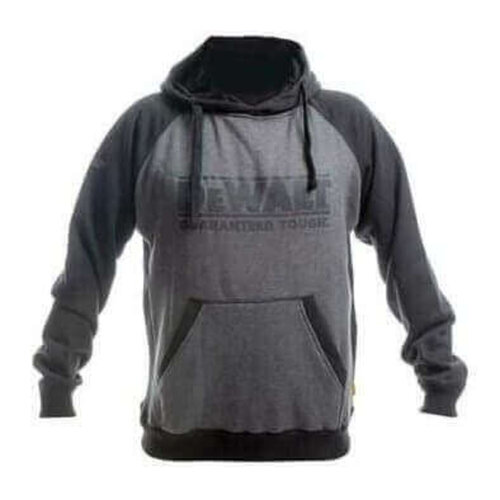
Dewalt Stratford Hoodie - Large
Grey marl hooded sweatshirt with large DeWalt logo, 65% polyester, 35% cotton
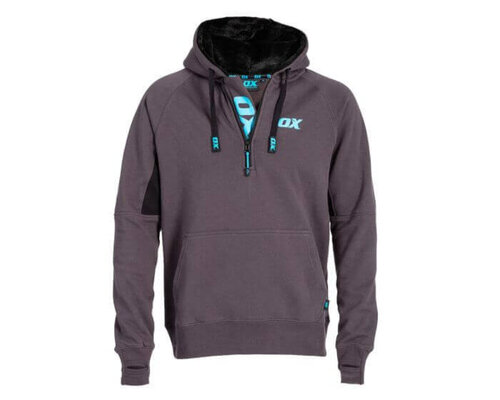
OX Tools Hoodie - XL Black/Grey
Ox Tools hoodie XL, Black/Grey, cotton/poly mix with faux fur lined hood
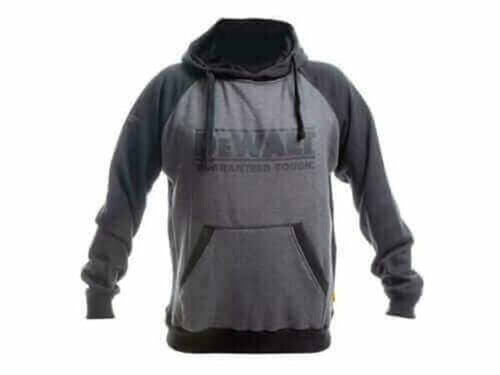
Dewalt Stratford Hoodie - X Large
Grey marl hoodie, 65% polyester 35% cotton, 330gsm, with DeWalt logo
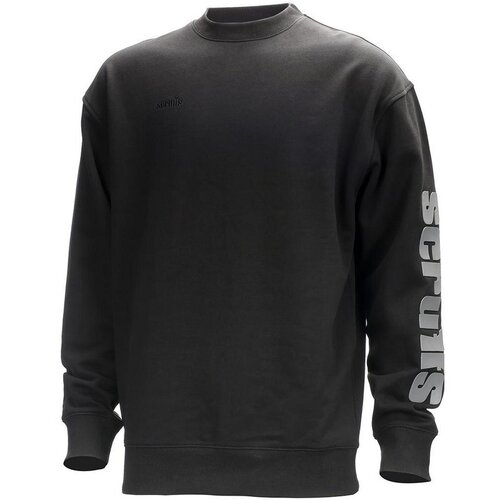
Scruffs Fintry Sweatshirt Black - X Large
Black XL cotton-rich sweatshirt with a brushed-back fleece interior
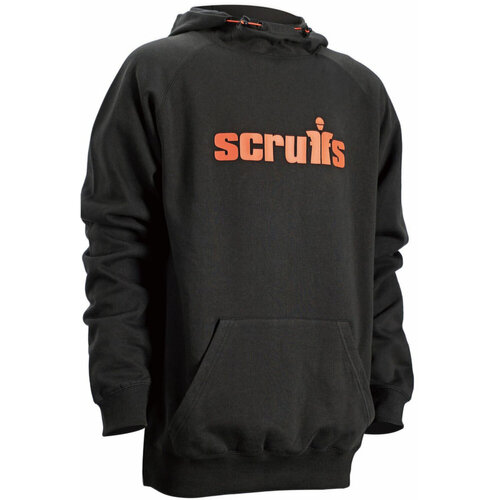
Scruffs Tamworth Logo Hoodie - Black Large
Black Scruffs hoodie size Large with kangaroo pocket and branding
For the Trade
Start with space and how you’ll use it, then the rest falls into place. In a cab, van or tight plant room, you want a work hoodie that sits close and does not bunch under a jacket. On open sites, a heavier work sweatshirt usually makes more sense because it holds its shape better and takes more abuse. A lighter work hoodie works when you are moving between jobs, but it will not hold warmth as well after repeated washing. Finish and extras come after that, not before.
Work Hoodies & Sweatshirt Options Compared
A work hoodie gives you more room for layering and a front opening, so it suits days when you’re taking it on and off through the shift.
A work hooded sweatshirt sits neater and keeps things simpler. It works well under a jacket and is less likely to catch when you’re moving through plant or tight access. The trade-off is less venting and no quick changeover. If you’re still matching the rest of your kit, start from Workwear and work back to the layer that fits the job.
Choosing Materials and Size
Go by the job first. If you are in and out of the van, or pulling it on and off through the day, a zip front work hoodie is the easier call. If you want fewer snag points and a cleaner front under a jacket, go for a pullover.
Weight matters too. Heavier fabric takes more rough use, but it can run too warm once you are moving.
Check the cut as well. A closer fit sits tidier. A roomier one gives you more space over a base layer.
If you are adding bits like hats or gloves, Workwear Accessories is the next stop. If the job needs full-body coverage instead, look at Boiler Suits & Coveralls.
Completing the Setup
Once you’ve picked the work hoodies, the next call is what sits around them on the job. For cold starts and plenty of movement, a work fleece gives you a lighter mid-layer. Work body warmers make more sense when you want core warmth without bulk in the sleeves.
When the weather turns wet, move into waterproof workwear or a full waterproof suit. Don’t try to make a hoodie do a jacket’s job. For rougher, more exposed work, boiler suits & coveralls keep the layers together and save you chasing separate tops and bottoms.
Related searches
Local availability for Work Hoodies & Sweatshirts






