Work Jackets
When you're choosing work jackets, start with what the day will throw at you - cold, rain, wind, or a bit of both. A winter work jacket or insulated work jacket gives you more warmth, but you lose some movement and they can be too much once you're indoors. A softshell work jacket suits active jobs and changeable weather. A water resistant work jacket makes more sense if you need to keep moving through showers without going fully waterproof.
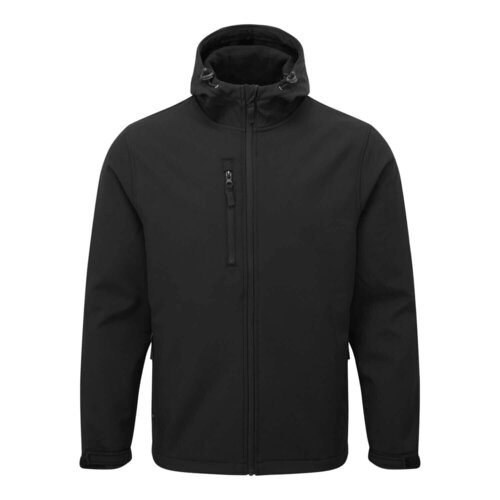
Fort Workwear Holkham Hooded Softshell Jacket - XL Black
Hooded softshell work jacket in black, size XL
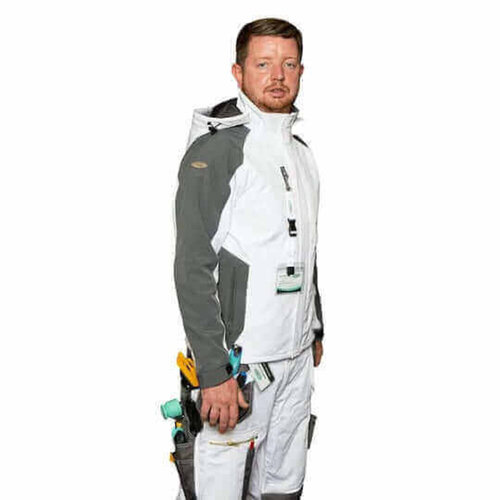
S-TEX Jacket - XXL - White/Grey
White and grey jacket, size XXL
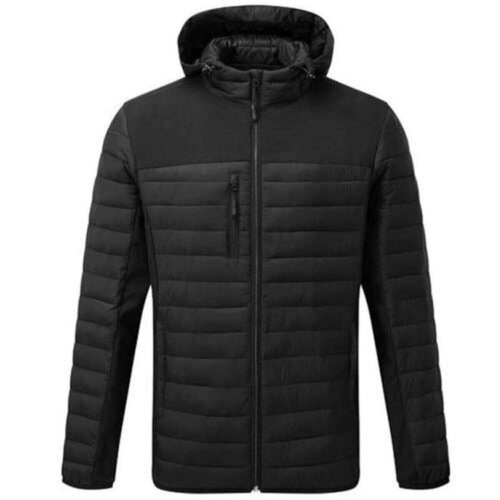
Tuffstuff Hatton Jacket - Black XL
Warm and water-resistant winter work jacket with hood.
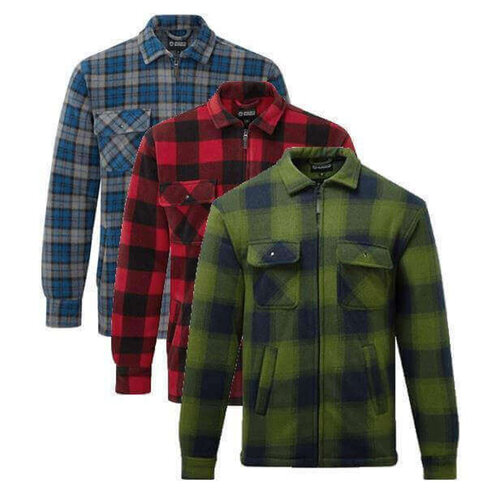
Fort Workwear Portman Shacket - Green XXL
Fort Workwear Portman shacket in green, size XXL
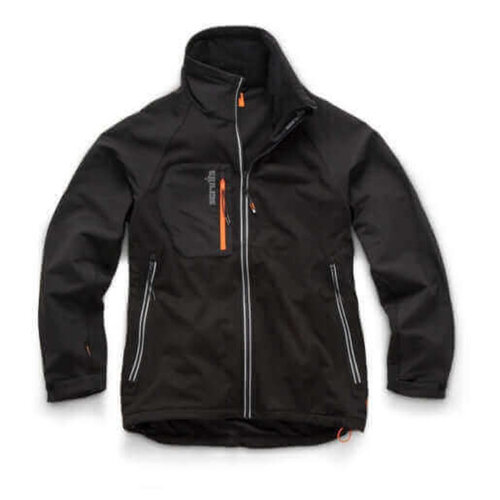
Scruffs Trade Flex Softshell Jacket - XL - Black
Black softshell work jacket, size XL, water-resistant with fleece collar
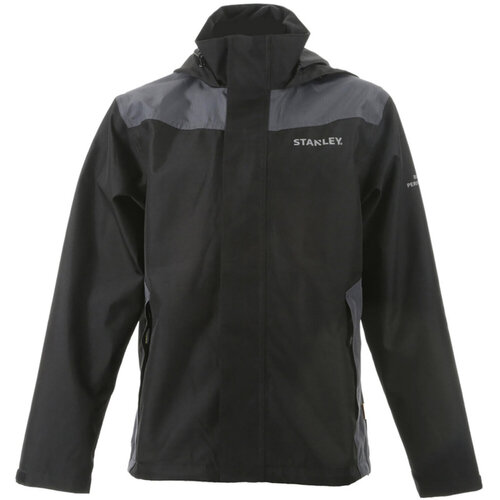
Stanley Assent Ripstop Water Resistant Jacket - Grey/Black Large
Water resistant ripstop jacket in grey/black, size Large
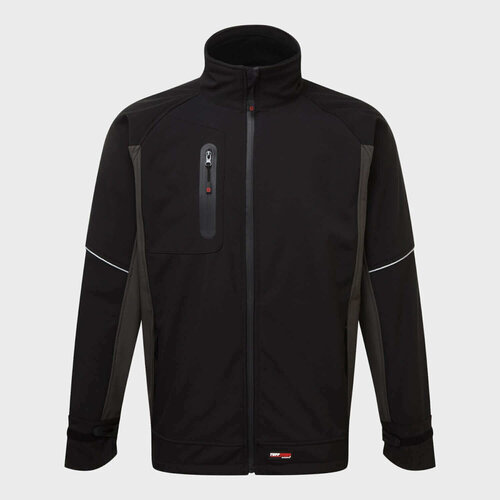
Castle Clothing Tuffstuff Stanton Softshell Jacket - Large Black
Waterproof softshell work jacket with breathable fabric and fleece lining
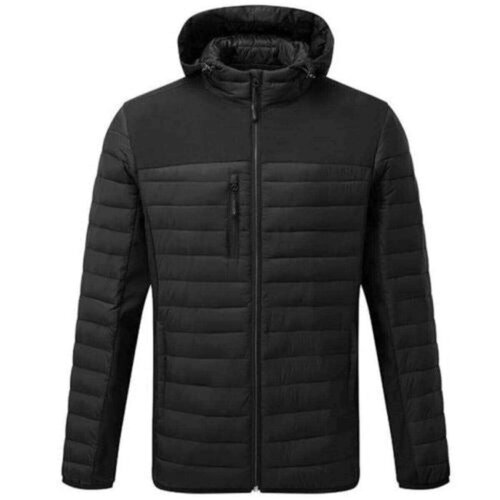
TuffStuff Hatton Jacket - Black L
Winter work jacket with ThermoFort lining, water-resistant, windproof, and hood
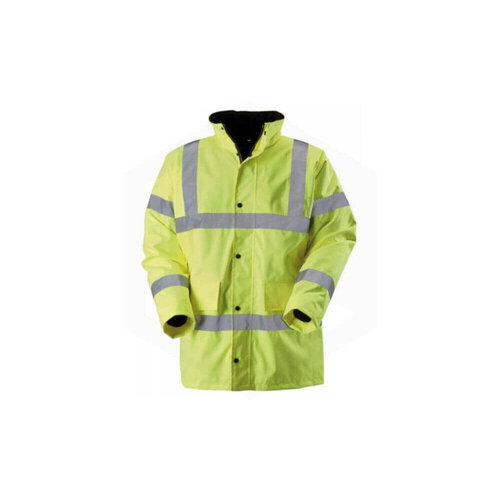
Blackrock Hi-Vis Coat - Medium yellow
Blackrock hi-vis coat, size medium, yellow.
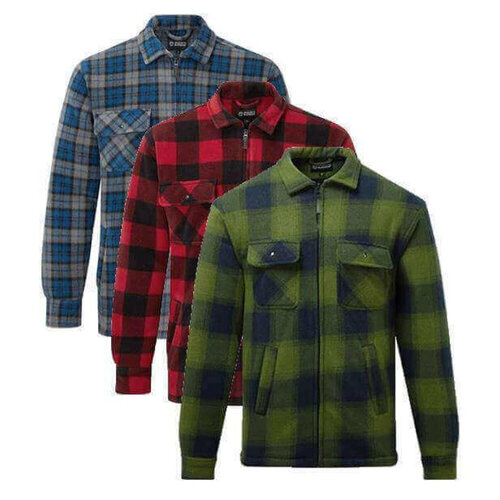
Fort Workwear Portman Shacket - XXL Red
Red XXL work shacket, combines shirt and jacket for workwear.
For the Trade
You usually narrow work jackets by how you’ll use them before you look at finish or extras. If space is tight in the van, or you need something that sits well in the cab, a lightweight work jacket makes more sense than a bulkier winter work jacket. If you’re in and out all day, a softshell work jacket gives you more movement. If showers are part of the shift, a water resistant work jacket is the one to reach for. The usual mistake is buying for warmth first, then finding the jacket is too much once the day gets moving.
Work Jacket Options Compared
Start with what the jacket has to do on the day, not the badge on the label.
A softshell work jacket suits jobs where you need weather resistance without feeling boxed in. A winter work jacket makes more sense when warmth matters more than freedom of movement.
A lightweight work jacket is easier to wear when you’re carrying gear or moving between inside and out, but you give up some protection and insulation. A water resistant work jacket sits in the middle for changeable weather, though it won’t replace proper waterproofs when the rain turns steady.
If you’re comparing against the wider Workwear range, the choice usually comes down to how much layering you want underneath and how much bulk you can put up with.
Choosing Materials and Size
The main call is usually between warmth, weather resistance and how much bulk you can live with. A winter work jacket gives you more insulation, but it can feel too much once you’re moving. A softshell work jacket suits jobs where you want less restriction and a cleaner fit under other layers, though it won’t handle steady rain as well.
If you’re in and out of showers, a water resistant work jacket is often enough. Once the weather turns properly wet, look at Boiler Suits & Coveralls instead. Check cuffs, pockets and zip quality too. Cheaper jackets usually show the difference there first. For liners, gloves and other add-ons, Workwear Accessories is the next stop.
Completing the Setup
Once you’ve picked the right work jackets, the next call is what sits with them on the job. If you need full-body coverage for dirty work, boiler suits & coveralls cut down on layer changes. Workwear accessories are often the bit that gets missed until someone needs knee pads, gloves or a spare hood.
That keeps a site jacket in use through the week instead of ending up in the van. For wet jobs, look at the rest of the kit as well. A jacket only goes so far if the trousers and outer layers are working against it.
Related searches
Local availability for Work Jackets







