Work Shorts
Work shorts come down to three things: how much movement you need, how much kit you carry, and how hard they’ll be worked. Stretch pairs suit jobs with plenty of kneeling and climbing because they move better. Cargo styles give you more pocket space, but they can feel bulkier. If you want something tougher for daily site use, look at heavier fabrics and reinforced pockets. Lighter pairs work when comfort and heat build-up matter more than abuse.
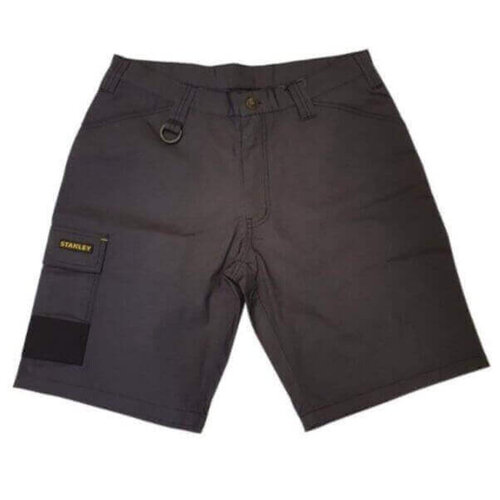
Stanley Tucson Cargo Rip-Stop Shorts - 30in - Grey
Stanley Tucson rip-stop cargo shorts, grey, 30in waist
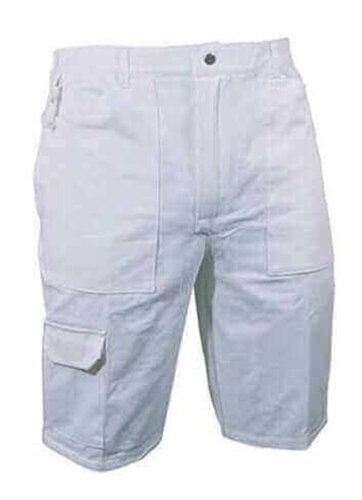
Prodec Painters Shorts - 32in - White
32-inch white cotton painter's shorts with elasticated waist and multiple pocket…
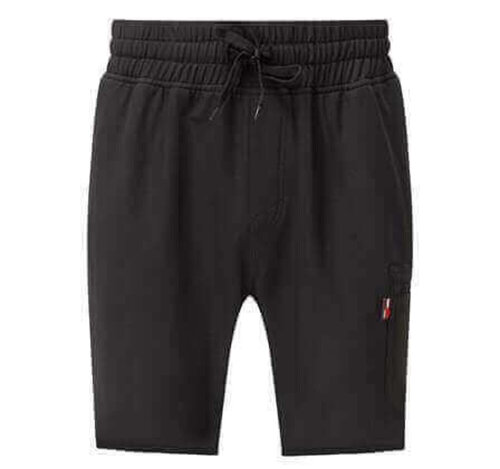
TuffStuff Hyperflex Short - L Black
TuffStuff Hyperflex short in black, size L.
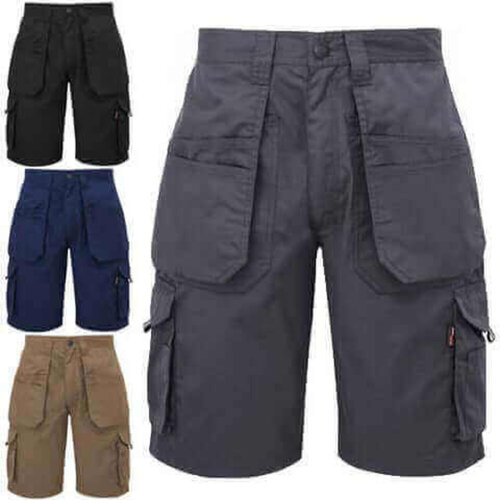
Tuffstuff Enduro Work Short - 40 Sand
Sand rip-stop work shorts with hammer loop and cargo pockets, waist 40
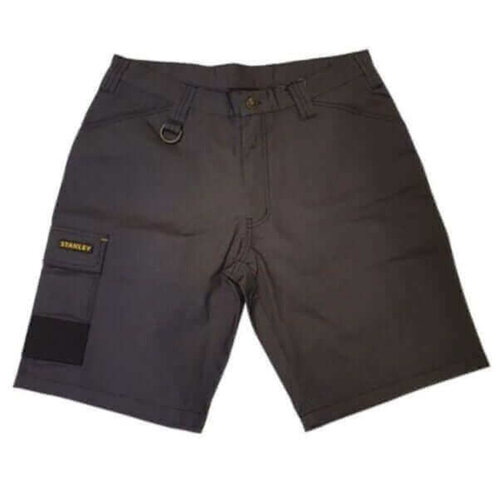
Stanley Tucson Cargo Rip-Stop Shorts - 32in - Grey
Stanley Tucson rip-stop cargo shorts, grey, 32in waist
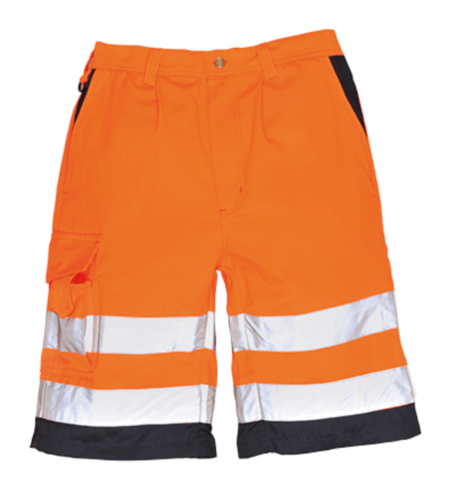
Portwest Mens Class 1 Hi Vis Poly Cotton Shorts - Orange / Navy - L UK
Class 1 hi-vis orange/navy shorts, size L, UPF 40+
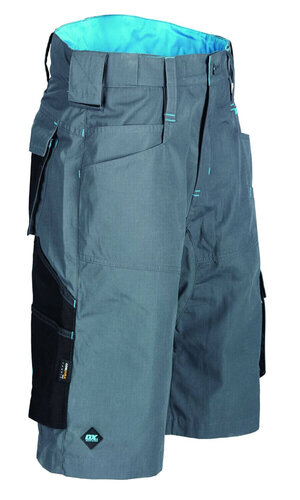
OX Tools Ripstop Short - 30W Graphite Regular
Graphite ripstop work shorts, size 30W
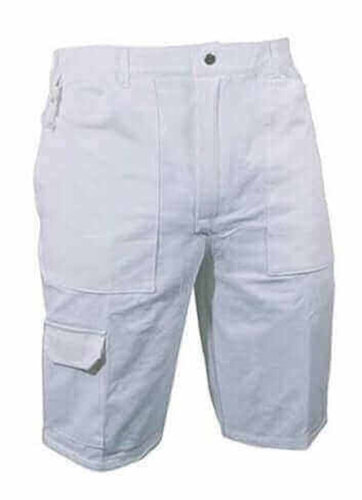
Prodec Painters Shorts - 34in - White
34-inch white cotton painter's shorts with elasticated waist and multiple pocket…
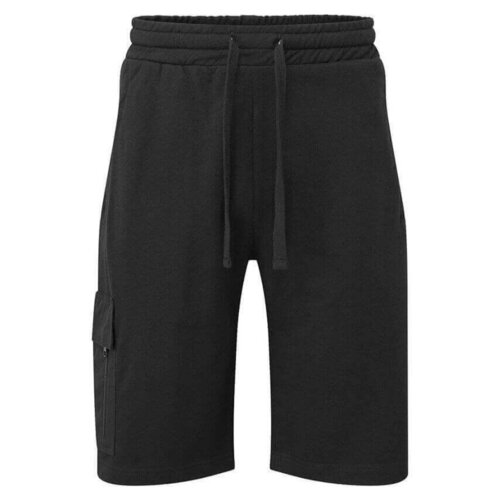
Portwest Cargo Sweatshorts - XL Black
Black cargo sweatshorts with multiple pockets and elasticated waist
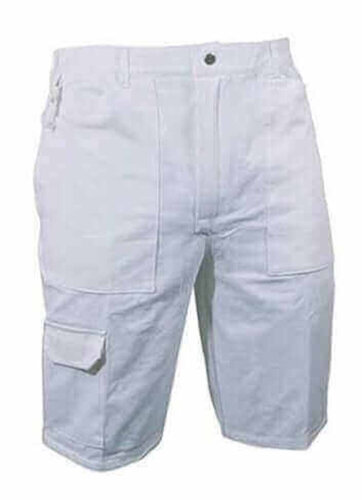
Prodec Painters Shorts - 38in - White
White painters' shorts, 38in waist, cotton drill, straight fit
For the Trade
Start with what you need to carry and how much room you’ve got to move. On a busy site, work shorts with deeper pockets or cargo pockets save you reaching for a pouch. Stretch panels matter more if you’re up and down ladders or working low. Heavier fabric usually holds up better under daily wear, but it can feel less forgiving once the day warms up. If you’re buying for a crew, keep the cut consistent. A lot of returns come from getting the fit wrong rather than the fabric.
Work Short Options Compared
Men's work shorts are the plainest choice when you want a straightforward pair with no extra bulk. Trade work shorts usually bring tougher pocketing or a bit more reinforcement for daily site use.
If you carry tools and fixings all day, cargo work shorts or utility work shorts make more sense because the storage is there. You do give up some freedom around the thigh.
Heavy duty work shorts suit rougher jobs where abrasion is the issue, though they can feel less forgiving than lighter pairs. For lads who spend the day moving, climbing and kneeling, stretch work shorts are usually the one to look at.
If you want the full department, Workwear sits above this range.
Choosing Materials and Size
The first call is usually fit and pocket layout, then how much punishment they’ll take. Stretch work shorts make sense when you’re bending, climbing or in and out of a van all day. You do give up a bit of that tougher feel you get from heavier pairs.
Cargo work shorts suit you when fixings, a knife and a phone need to stay on you. The trade-off is the extra pockets can feel bulky on lighter jobs. If you want a cleaner, more stripped-back option, Workwear Accessories can cover the bits you’d rather not carry in the shorts themselves. When the job needs full coverage instead, move to Boiler Suits & Coveralls rather than trying to make shorts do that job.
Completing the Setup
Once you’ve picked your work shorts, the next call is what sits around them on the job. If you’re keeping the rest of the kit light, a simple top layer and a few workwear accessories usually cover it. When the day turns wet or cold, move straight to a jacket or fleece rather than trying to make shorts do everything.
For dirty or high-wear jobs, boiler suits & coveralls are the cleaner call because they protect more of the kit underneath. Shorts make more sense where you need freedom and less bulk. That’s the part that often gets missed. The shorts are only one part of how you get through the shift.
Related searches
Local availability for Work Shorts







