Work Thermals & Base Layers
Work thermals are usually chosen on how much warmth you need without adding bulk under the rest of your kit. A thin thermal top or thermal vest suits lighter layering, while thermal leggings or thermal socks make more sense when the cold hits your legs and feet first. For thermal workwear you can wear all day, check the fabric weight and how close it sits - too heavy and it starts to bunch under layers.
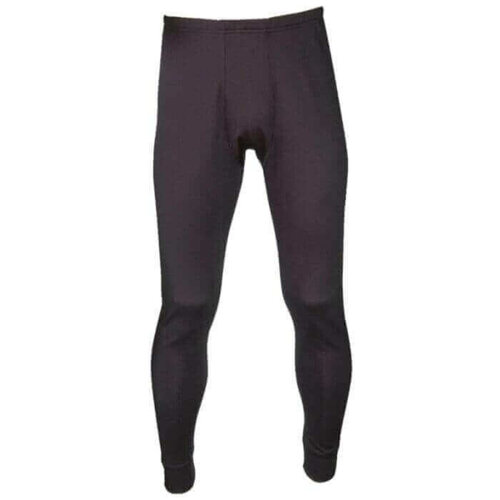
Blackrock Thermal Leggings - XXL - Black
Black thermal leggings in size XXL with moisture-wicking fabric
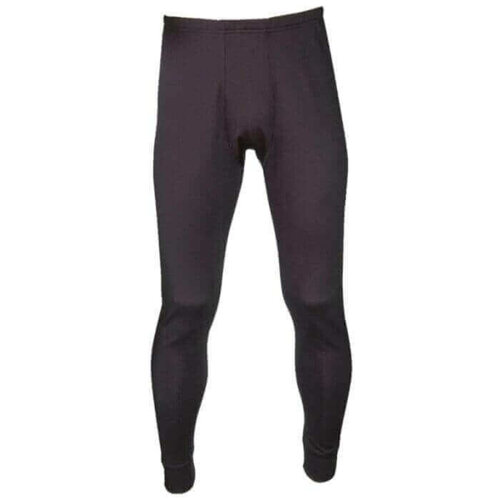
Blackrock Thermal Leggings - L - Black
Snug-fit black thermal leggings, size L, with moisture-wicking layer.
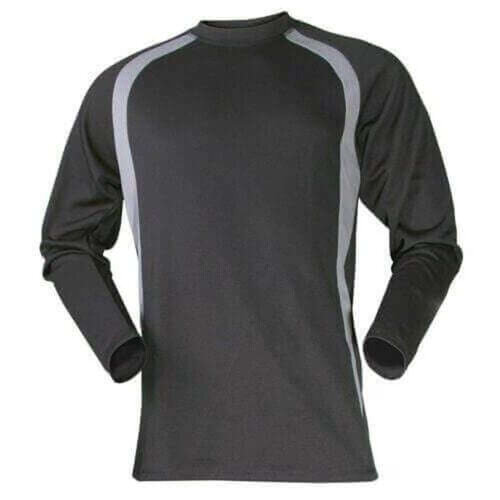
Blackrock Thermal Vest - Medium
Blackrock thermal vest, size Medium, 100% polyester
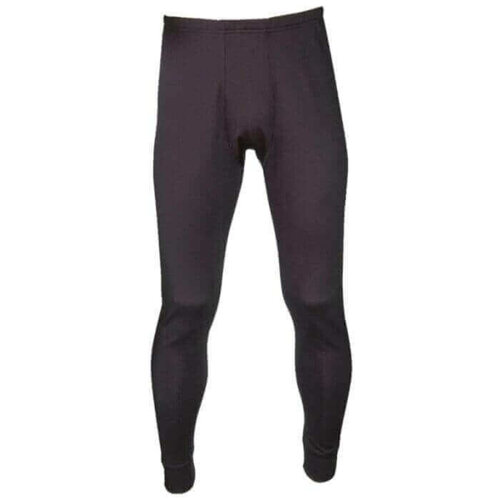
Blackrock Thermal Leggings - XL - Black
Snug-fit black thermal leggings, size XL, with moisture-wicking layer.
For the Trade
Start with how much room you’ve got under the outer layer and how the kit will be worn through the day. If you need something that sits flat, a thermal top or thermal vest usually makes more sense than heavier thermal workwear, because bulky layers get in the way once you’re moving or bending all day. If the job is static, cold, or starts before daylight, you’ll usually want more coverage from thermal underwear or thermal base layers. The decision comes down to layout first: close-fitting pieces suit tight outerwear and active work, while fuller coverage suits long spells on site where you need steady insulation. The common mistake is buying for warmth alone and ending up with kit that’s too tight, too loose, or too hot once the shift gets going.
Work Thermals & Base Layer Options Compared
Work thermals usually split into a close-fitting base layer and something with a little more coverage. Work base layers and base layer workwear suit you when you need warmth under other kit without adding bulk. A thermal top or thermal vest is the quicker pick when you just want to take the edge off a cold shift.
Men's work thermals and women's work thermals are worth separating where fit matters. A poor cut can ride up or bunch under the next layer, which gets in the way fast. Workwear is the parent range if you’re building the rest of the kit around them, but the main call here is still warmth versus freedom of movement.
Choosing Materials and Size
What you buy comes down to three things: how much insulation you need, how much bulk you can carry under the next layer, and whether you want a top, vest or full set. A heavier thermal workwear option suits long cold spells, but it can start to fight you once you begin layering up.
Lighter thermal base layers sit better under a jacket or boiler suit. A vest keeps warmth through the core without loading the arms, which helps when you need more movement through the shift.
If you are topping up a kit, Workwear Accessories is usually where the extras sit. If the job needs full coverage rather than separate layers, Boiler Suits & Coveralls is the better place to look.
Completing the Setup
Once you’ve picked the right work thermals, the next call is what sits over them and what needs to stay free. A close-fitting thermal top or thermal vest usually works better under a jacket or boiler suit. Thermal leggings make more sense when the legs are taking the hit.
Thermal socks are worth sorting at the same time. Cold feet are usually the complaint, not the top half. If you’re building out a full kit, keep the rest of your thermal workwear aligned so you’re not buying warmth twice in the same place.
Related searches
Local availability for Work Thermals & Base Layers





