Work Trousers
Work trousers usually come down to how hard the job is on the legs and how much kit you carry. Standard work trousers are the economical pick for lighter everyday wear. If you’re on your knees all day, knee pad work trousers save you buying separate inserts later. Stretch work trousers give you more movement without going up a size. Cargo styles add pocket space, but they can feel bulky on ladders or in tight access.
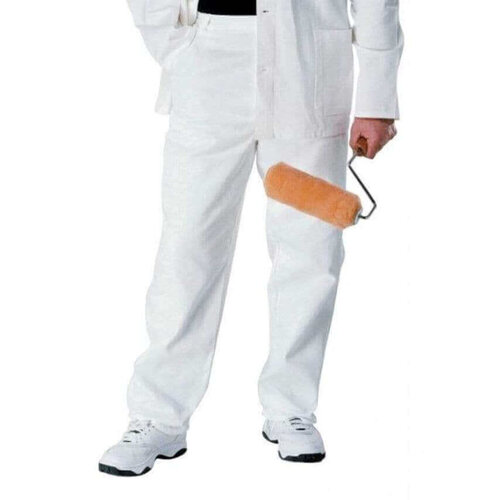
Fit for the Job FFJ Painters Trousers - 44in - White
White painters trousers with two front pockets, knee pad pockets, and mobile pho…
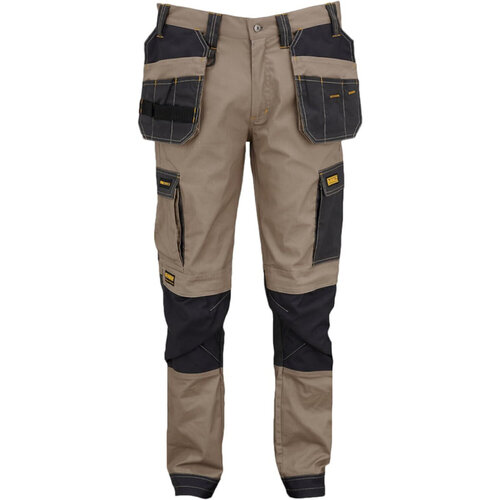
Dewalt Aspen Ripstop Stretch Holster Pocket Trousers - Stone 32" R
DeWalt Aspen stone ripstop holster pocket trousers, 32in waist
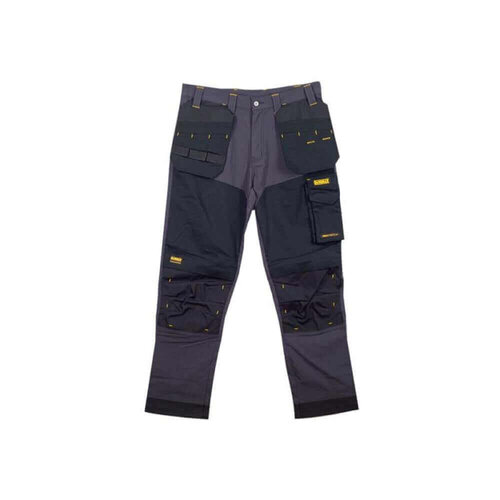
Dewalt Memphis Full Stretch Holster Pocket Trousers - Grey/Black 34" R
Stretch work trousers with twin holster pockets, grey/black, 34in waist regular …
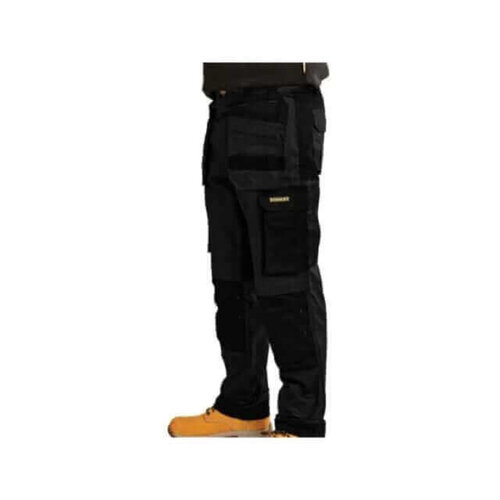
Stanley Omaha Slim Fit Holster Trousers - 38S - Black/Grey
Stanley slim fit holster trousers in black and grey, 38in waist, short leg.
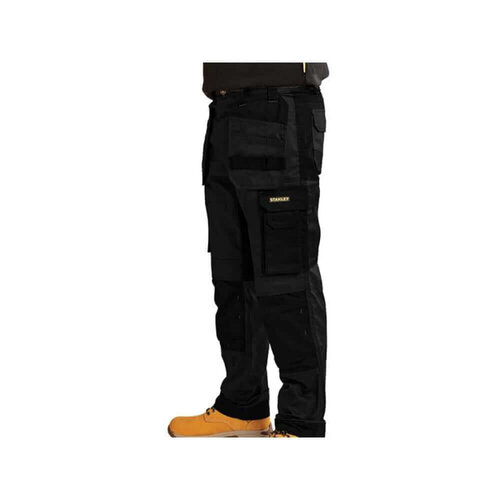
Stanley Clothing Omaha Slim Fit Holster Trousers - Waist 30" Leg 31"
Slim fit holster trousers with stretch panels and Cordura knee pad pockets
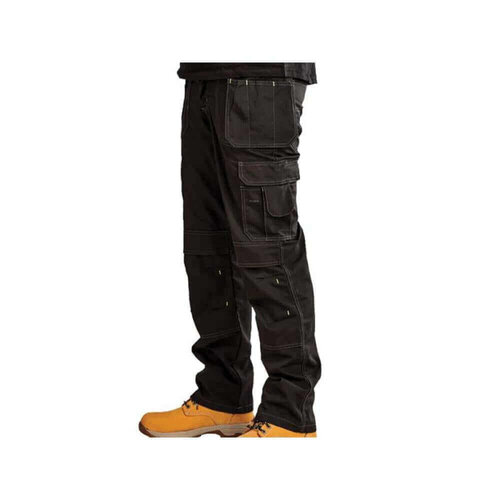
Stanley® Clothing Iowa Holster Trousers - W40/L31
Classic fit work trousers with Cordura knee pad pockets, cargo and ruler pockets…
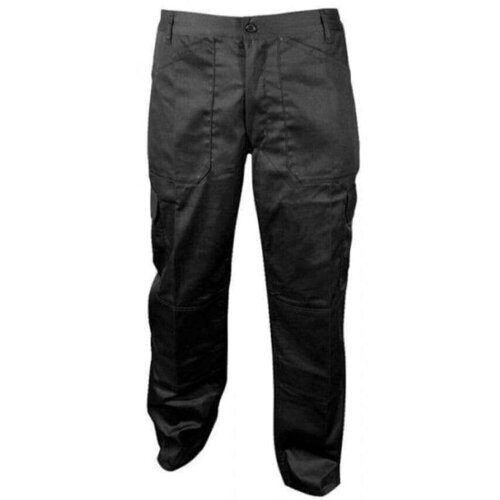
Active Cargo Trousers - 32"R Black
Black active cargo trousers, 32 inch regular
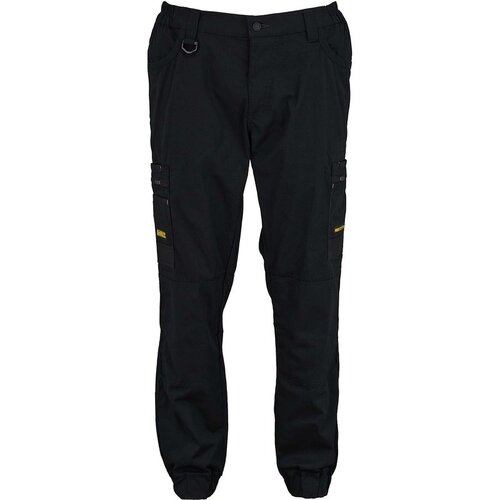
DeWalt Whaddon Cargo Trousers - Black 30"R
Black DeWalt cargo trousers with a 30-inch waist and regular fit
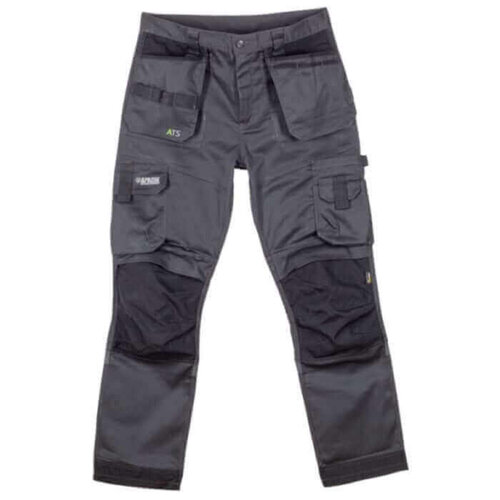
Apache ATS 3D Stretch Holster Pocket Trousers - Grey/Black W34/L31
Grey/black work trousers, 34" waist, 31" leg, with stretch and holster pockets
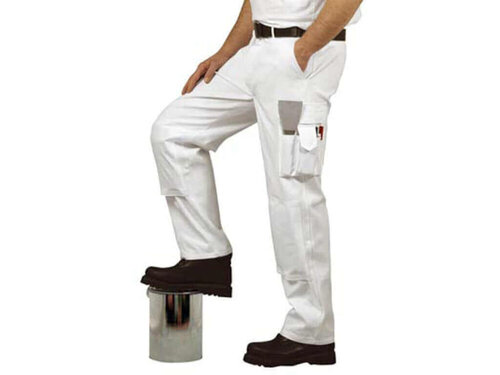
Portwest Trousers - W33-34/L31
White painter's trousers, 33-34in waist, 31in leg, 8 pockets
For the Trade
Start with how the job uses the legs and how much room you’ve got to move. If you’re in and out of vans, lifts or plant all day, you’ll usually want work trousers that move well and don’t snag. If the job means repeated kneeling, go straight to knee pad work trousers rather than trying to make a lighter pair do the same job. Once that’s settled, finish and pocket layout matter more than colour or branding. Black work trousers and navy work trousers are usually a site preference, not a performance call.
Work Trouser Options Compared
If you’re narrowing down work trousers, start with how much movement and wear you’re dealing with. Then decide whether you need pockets, stretch, or knee protection.
Work pants are the plainest option when you want less bulk and fewer extras. Cargo work trousers suit jobs where you keep fixings, tape, or a phone on you all day.
Stretch work trousers are the better pick when crouching, climbing, or getting in and out of vans is part of the shift. You lose a bit of that tougher, more rigid feel.
Knee pad work trousers make sense when you’re down on the floor often. They save you adding pads later, which keeps the setup simpler.
If you want to keep the choice in context, Workwear sits above the lot.
Choosing Materials and Size
The main call is fabric, cut and how hard the legs get worked. Heavier cloth stands up better on rough jobs, but it can feel stiffer and warmer over a long shift. Stretch panels help when you’re climbing, kneeling or working in tight spaces. They are not always the toughest choice where abrasion is constant.
Fit matters as well. Too baggy catches. Too tight rides up. If you need extra storage or inserts, sort that at the same time with Workwear Accessories. For full-body coverage on messy jobs, Boiler Suits & Coveralls usually make more sense than separate work trousers.
Completing the Setup
Once you’ve picked your work trousers, the next call is what sits around them on site. If wet weather or dirty finishes are part of the job, waterproof workwear or waterproof suits usually make more sense than trying to push standard kit through it.
On colder days, work fleeces, body warmers and heated workwear change the spec more than another pocket or two. If you need full coverage, boiler suits & coveralls or overalls can be the cleaner choice. Workwear accessories are the bits that stop a decent pair of work trousers becoming awkward halfway through the week.
Related searches
Local availability for Work Trousers








