Workwear Accessories
If you’re buying workwear accessories, start with what’s getting worn out or left behind on site: gloves, kneepads, belts, headwear and the small bits that keep the rest of your kit working. The right pick comes down to how hard you use it, whether you need extra protection or just a replacement, and how much bulk you can live with. Lighter items are easier to wear all day. Tougher ones usually last longer when they’re getting used properly.
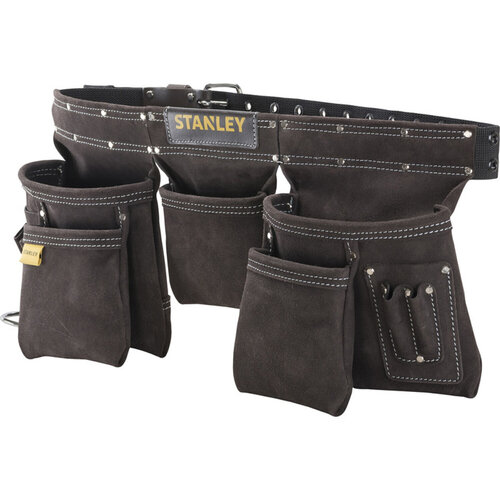
Stanley Leather Tool Apron
Buffalo leather tool apron with reinforced pockets and adjustable belt
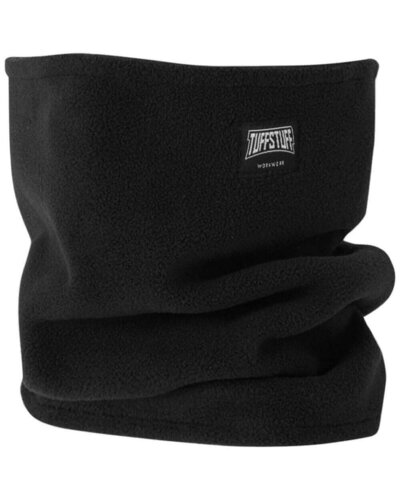
TuffStuff Pro Work Neck Warmer - Black
Black work neck warmer from TuffStuff
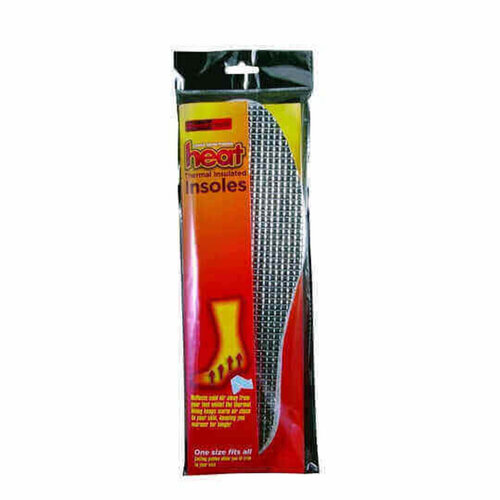
Blackrock Heat Thermal Lined Woolly Hat
Traditional heavyweight washable canvas dust sheet, 12ft x 12ft
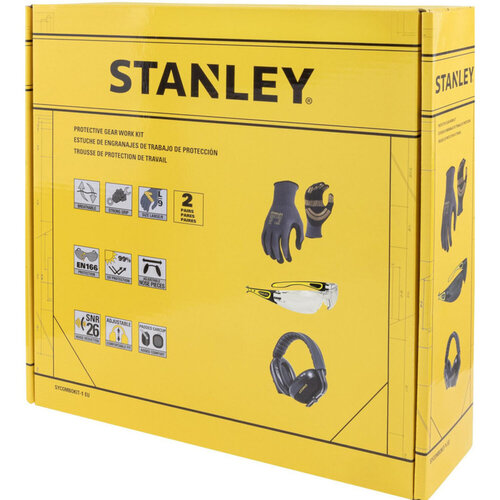
Stanley Protective Gear Work Kit - 4
Black protective work kit (pack of 6) with gloves, hearing protection, and eyewe…
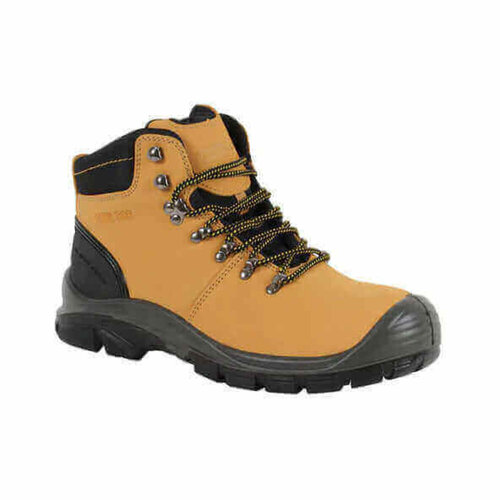
Blackrock Malvern Hiker Boots - Honey size 10
Water-resistant Blackrock Malvern Hiker Boots, honey, size 10
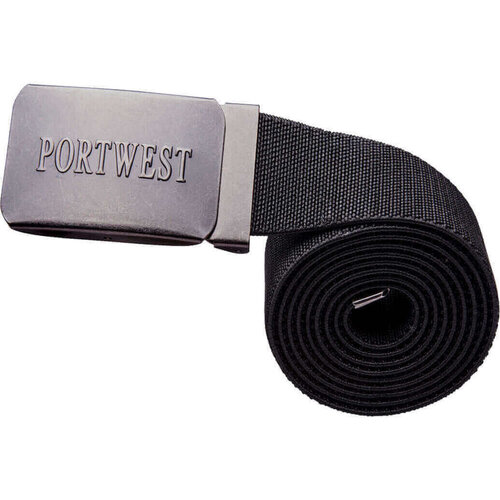
Portwest Elasticated Work Belt - Black
Adjustable elasticated work belt with easy-release buckle
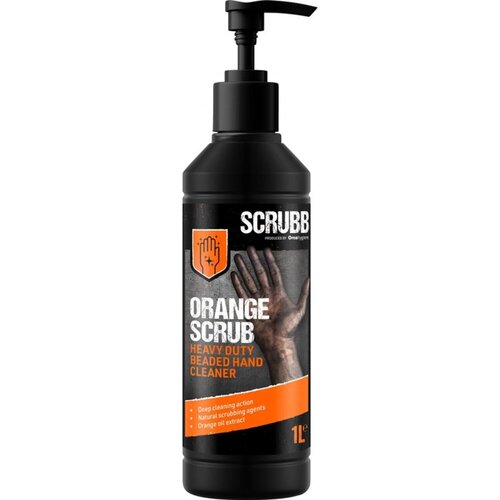
Scrubb Orange Beaded Hand Cleaner - 1L
Orange beaded hand cleaner 1 litre
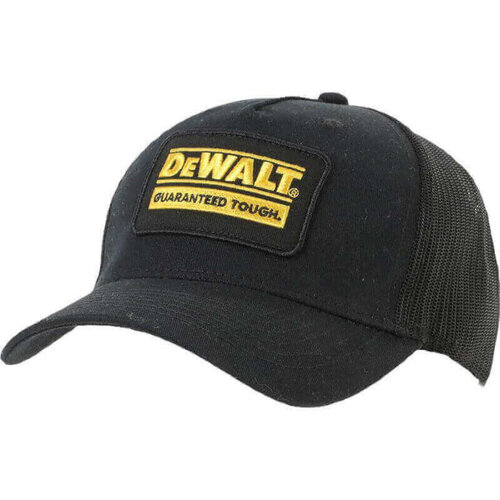
Dewalt Oakdale Baseball Cap
Dewalt branded baseball cap
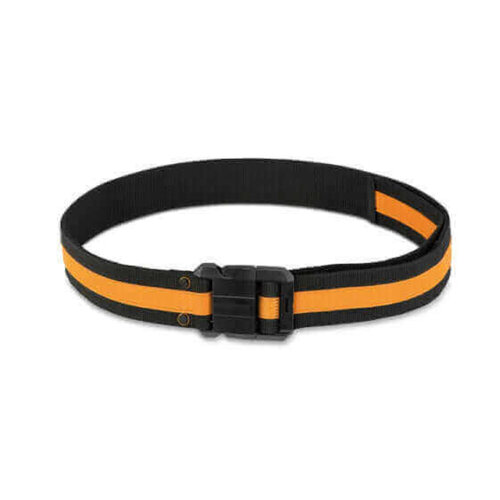
Toughbuilt TB-CT-42
Toughbuilt TB-CT-42
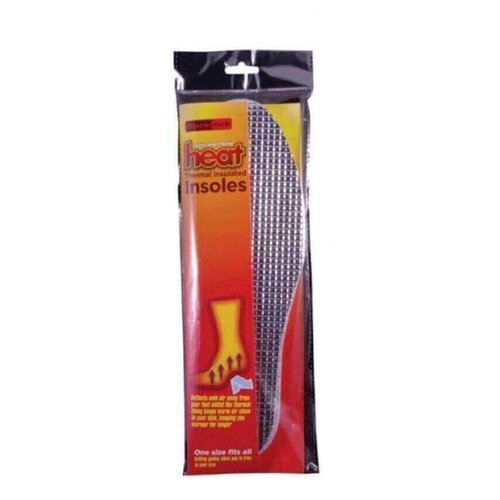
Blackrock 'Heat' Thermal Neckwarmer
Thermal neckwarmer in 240g micro fleece with ventilated top and elastic draw cor…
For the Trade
Start with how much room you’ve actually got in the kit and how the gear gets used day to day. Small add-ons that live in a pocket or bag need less bulk and fewer loose bits. Items that stay on all shift need stronger wear points and a fit that stays out of the way. That is usually how workwear accessories get narrowed down. Not by finish first, but by whether they will be carried, worn, or swapped through the day. If it is going to be handled hard, buy for that. The cheap option is often the one that gets left behind.
Popular Workwear Accessory Formats
If you’re choosing workwear accessories, judge the format by how it sits with the rest of your kit. A compact workwear accessory is the one you keep on you all day; trade workwear accessories are the better pick when you need something that gets used, dropped, and replaced often. Men’s workwear accessories and women’s workwear accessories are worth separating when the fit affects comfort or movement, while industrial workwear accessories are the harder-wearing option when the job is rougher and the trade-off is usually a bit more bulk. If you’re working back through the rest of Workwear, that is the broader clothing choice before you narrow down the extras.
Key Differences When Choosing
The choice usually comes down to how you’ll use it and how much punishment it needs to take. For day-to-day site work, lighter workwear accessories make sense when you’re topping up a kit. Heavier-duty items are worth paying for if they’re living in the van or getting dragged through rougher jobs.
Fit matters too. Anything you wear all shift wants a better cut. Bulkier kit can be less fussy if it’s only coming out for specific tasks.
If you need a full protective layer rather than add-ons, move over to Boiler Suits & Coveralls. For cutting work, Chainsaw Clothing is the one to look at.
Next Decisions After Choosing
Once you’ve picked the workwear accessories, the next call is what needs to sit around them on the job. If you’re kitting out a full site, the order usually comes down to what wears out first, what needs to stay clean, and what has to be kept separate from the rest of the gear.
That’s where the rest of the workwear range comes in. A heavier layer suits rougher shifts. Lighter pieces work when you need movement and less bulk. The point is to line up the whole kit before you commit, so the extras you buy actually work with the main layers.
Related searches
Local availability for Workwear Accessories







