Safety & Workwear
For safety & workwear, the first question is what the job needs you to cover - visibility, weather, abrasion, or a tougher daily uniform. High visibility workwear suits jobs where being seen matters, while heavier protective workwear is the better call when clothing takes more punishment. If you’re kitting out a whole crew, keep an eye on consistency and sizing. Mixed batches and poor fit are what usually drive returns.
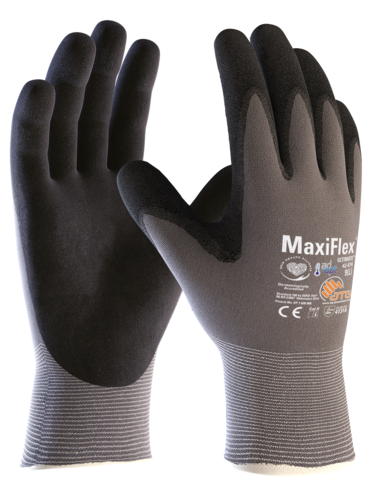
Maxiflex Ultimate Lightweight General Purpose Gloves - L
Lightweight general purpose work gloves, size L
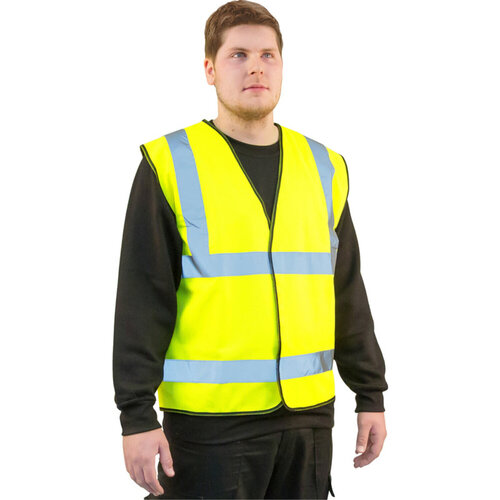
Hi Vis Waistcoat - Yellow X large
Yellow hi-vis waistcoat, size X Large, EN471 Class 2
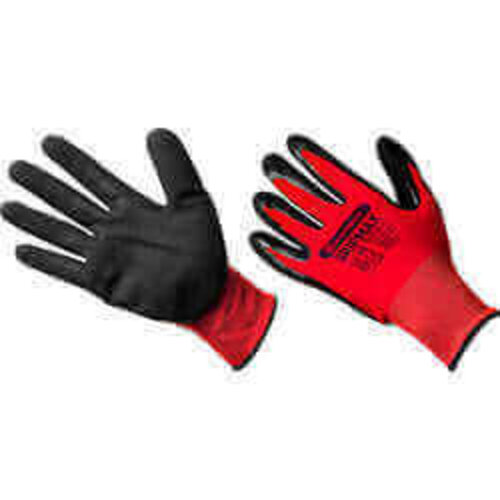
Dart HSS Long Series Twist Drill - 10 Pack - X Large
GripMax work gloves with nitrile-coated palm, size X Large, black and red.
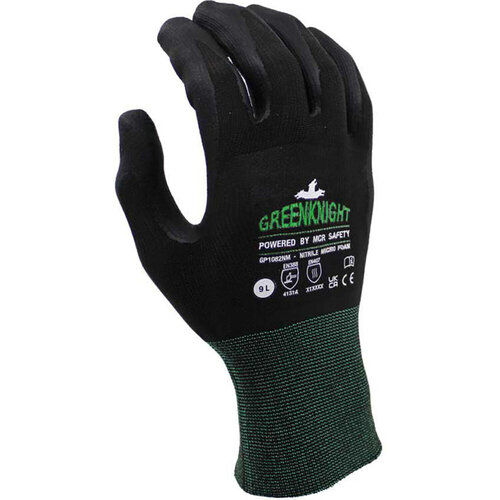
MCR Greenknight GP1082NM General Handling Gloves - Large Pair
Large recycled polyester gloves with touchscreen fingertips, heat-resistant to 1…
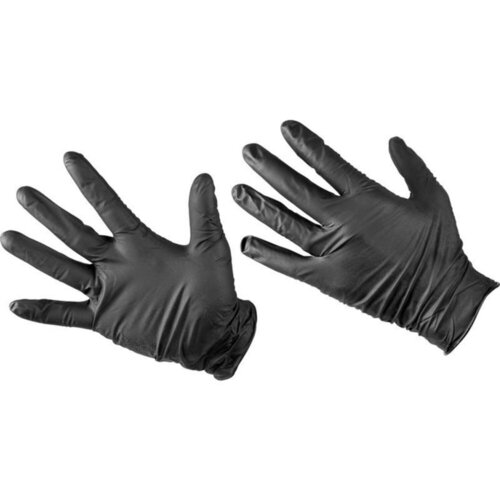
Black Mamba Super Tough Disposable Gloves - Large 100 Pack
Super tough nitrile gloves, ambidextrous, touchscreen compatible, Large, 100 pac…
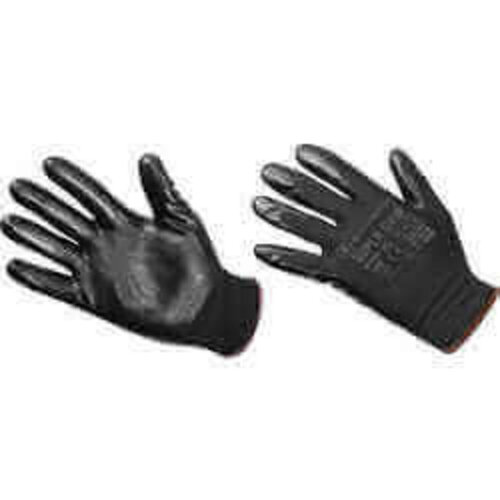
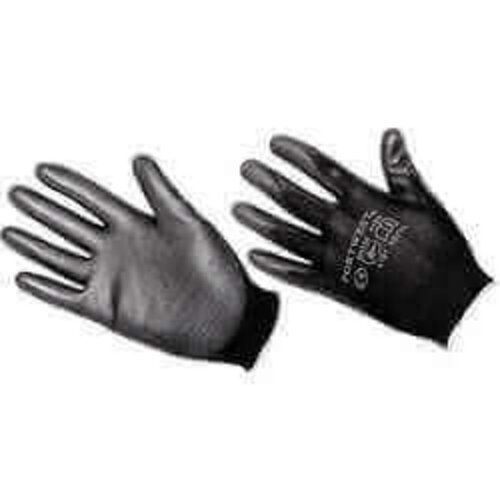
Palm Gloves - X Large
Breathable seamless nylon gloves with PU-coated palm for light-duty tasks
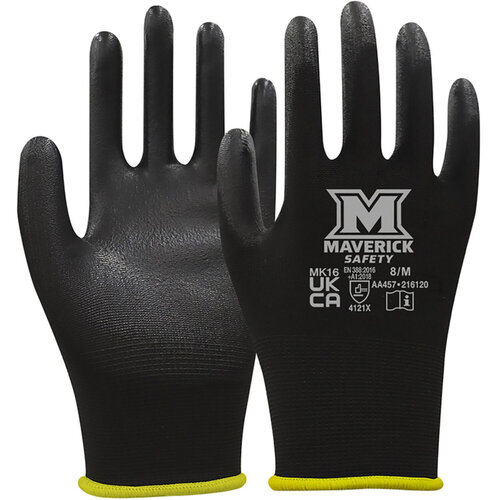
Maverick Safety MK16 Precision Work Gloves - Medium Pair
PU-coated precision work gloves with nylon liner, size medium
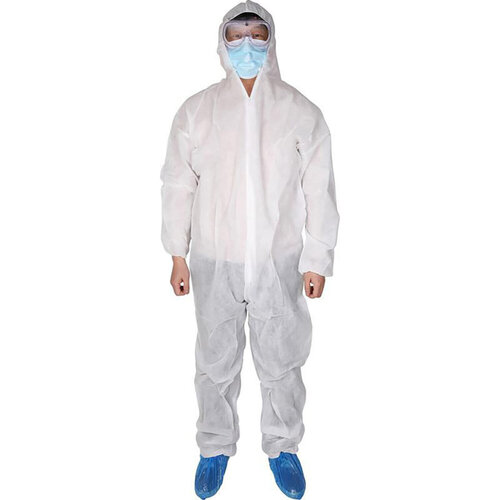
Maverick Disposable Hooded Coverall - X Large
Disposable hooded coverall, size X Large, 100% polypropylene, 42gsm, front zip
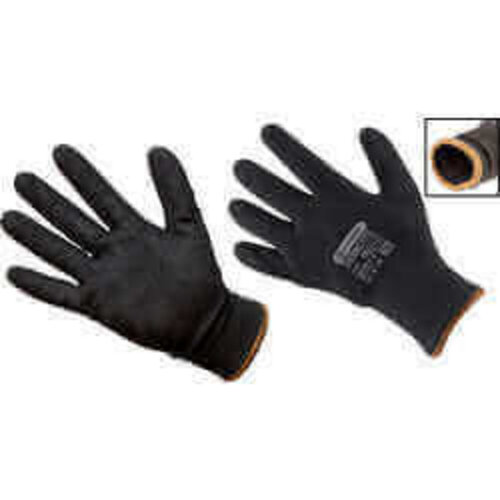
Thermotite Grip Gloves - Large
Black insulated work gloves with nitrile grip, size Large
For the Trade
Start with space and how the kit will be used, because that usually decides more than finish or extras. A tight van, a wet site, or a job with plenty of kneeling all push you towards different safety & workwear choices, and that’s where people get caught out. High visibility workwear matters only when the job calls for it. Otherwise, you are paying for features you will not use. Protective workwear with the right cut and weight is usually the better call when durability matters more than appearance.
PPE
For PPE, the question is usually what the job calls for and what the site will accept. If you only need a narrow buy, go straight to PPE rather than pulling kit from the wider safety & workwear range.
That keeps you off the extras you don’t need. It also stops you paying for features that won’t help on the task in hand. Basic compliance items suit lighter specs. More specific kit fits clearer risks. The mistake is often overbuying one item and missing another.
Safety
When you’re narrowing safety & workwear, start with what the job exposes you to and how long the kit has to last.
The Safety range is the narrower buy when you need site-facing items rather than general clothing. You’re usually weighing up visibility, protection level, and how much wear the gear will take before it gets binned.
A lot of wrong orders come from treating every job the same. One crew needs lightweight kit for short shifts. Another needs something that stands up to daily abuse.
Safety Footwear
If you’re only buying one part of the kit, start with the job’s exposure and what the site will accept. Safety Footwear is the narrower buy when you need toe protection, grip and all-day wear without taking the rest of the outfit with it.
That usually beats loading up on heavier kit if the issue is underfoot rather than all-round protection. The trade-off is simple. You get a focused purchase, but you still need to check the rest of the spec against the job. The wrong sole or fit is what causes most returns.
Workwear
Start with how hard you’re going to put the workwear through. For daily wear, you need kit that stands up to repeated washing and abrasion without feeling bulky.
For short jobs, or where crews change often, lighter pieces are easier to manage and cheaper to replace. High visibility workwear only makes sense when the site or task calls for it. Don’t pay for it if it’s just sitting in the van.
The usual mistake is buying on price alone, then ending up with kit that looks fine on day one but won’t stay presentable.
Selection Factors for Safety & Workwear
The first question is what’s driving the buy - visibility, protection, or just getting the right kit through the day. That matters more than the label.
If you need to be seen, high visibility workwear is the clear call. You give up some flexibility on style and layering.
For rougher jobs, protective workwear usually takes more punishment. The trade-off is less give when you’re moving all day.
If you only need one item, don’t buy the rest of the set. It adds cost without much extra value on site.
Finish the Room
Once you’ve picked the main kit, the next call is what needs to sit around it on site. A lot of jobs still need a mix of safety & workwear, but the add-ons change with the task. High visibility workwear comes in where the site asks for it. Tougher layers make sense when abrasion is the issue. Lighter pieces work better when the shift is long and the weather is not the problem.
Don’t overbuy the full set if one item is doing the job. The usual mistake is ordering by habit, then ending up with kit that is too warm, too bulky, or not accepted on that site.
Related searches
Local availability for Safety & Workwear