Cavity Fixings
Cavity fixings come down to what you’re fixing into and how much pull-out you need. Nylon cavity fixings are usually the economical pick for lighter loads and repeat work, while metal versions suit heavier fittings or a firmer hold. If the job needs more bite, cavity anchor plugs are the next step up, but they are not the answer for every board or void. The usual mistake is over-specifying the fixing and making the job harder than it needs to be.
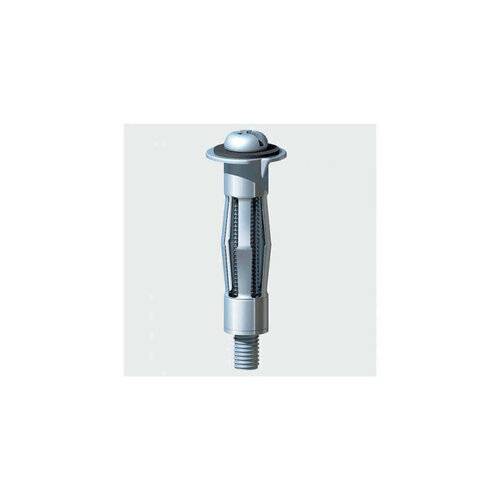
Timco Metal Cavity Anchors - M5 x 52mm 60mm Screw 100 Pack
Metal cavity anchors M5 x 52mm with 60mm screws, 100 pack
Spring Toggle - M6 x 50mm
M6 x 50mm spring toggle, sold per piece
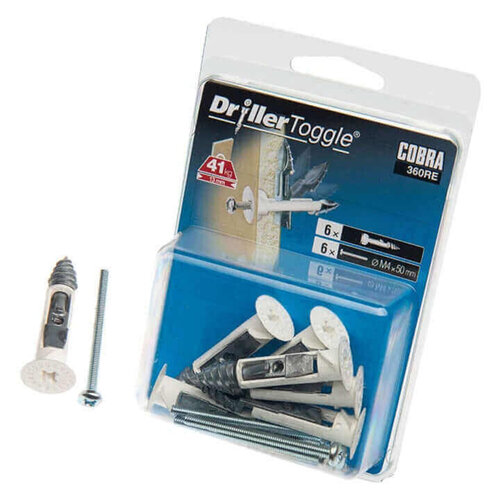
Cobra Driller Toggle Anchor - 4 x 50mm 6 Pack
Cobra Driller Toggle Anchor 4mm x 50mm (pack of 6)
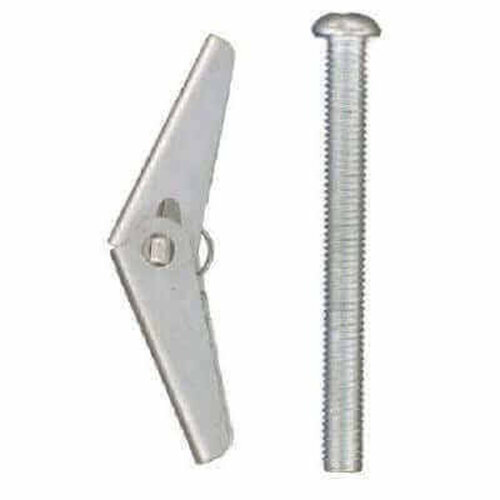
Fast-PAK Spring Toggles - Orange Bags
Silver spring toggles in orange bags
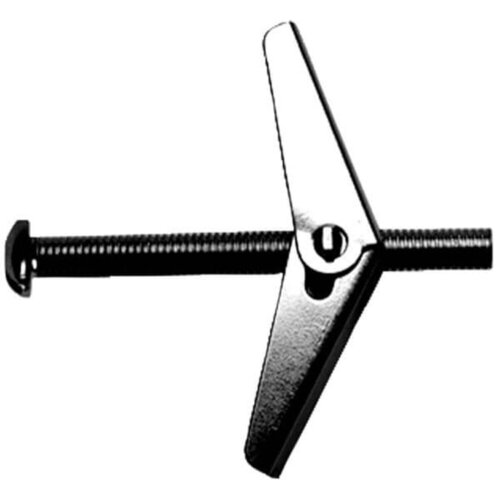
Masonmate Spring Toggle & Screw - M5 x 75mm
M5 x 75mm spring toggle and screw, box of 50
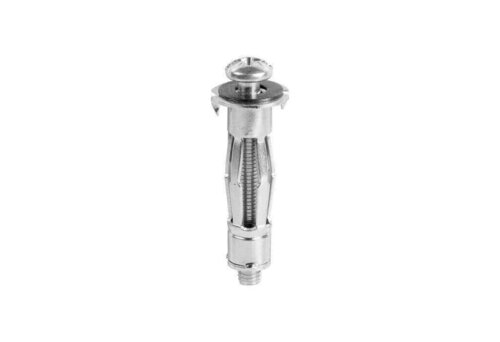
Metal Cavity Anchors Zinc M5 x 52 (60mm Screw) 60 Pack - 5mm 60mm
Pack of 60 zinc cavity anchors, M5x52mm, with 60 millimetre screws.
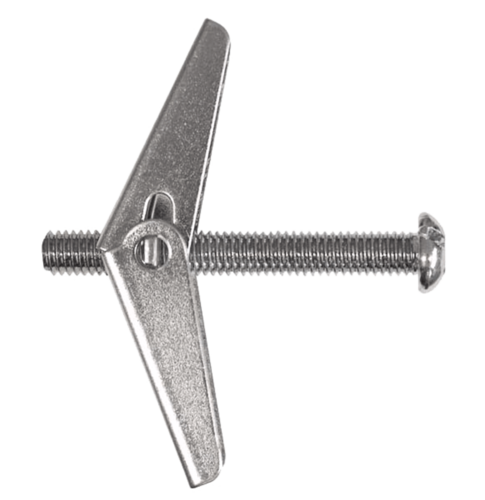
Unicrimp Spring Toggles - M5 x 50mm 5 Pack
M5 x 50mm spring toggles, pack of 5.
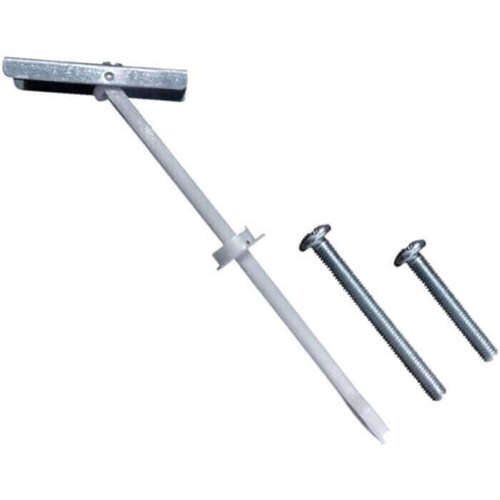
Timco Zip-Fix Cavity Wall Fixing Zinc - M6 50 Pack
Heavy-duty cavity wall fixing, M6, includes 40mm and 60mm screws, 50 pack.
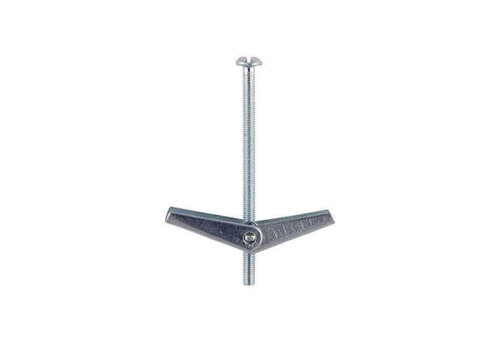
Zinc Spring Toggles - 5MMX50MM 55 Pack
Zinc spring toggles, 5mm diameter, 50mm length, pack of 55
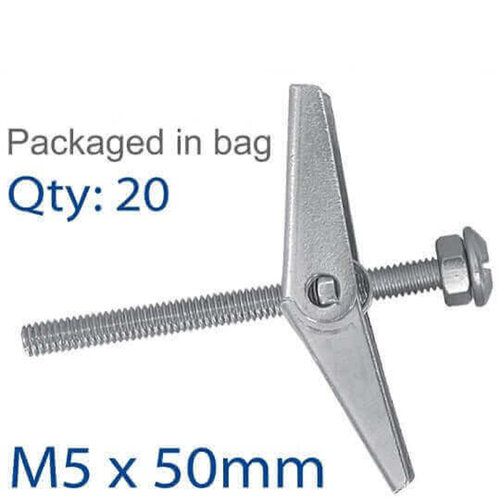
Spring Toggle - M5 x 80mm 20 Pack
Spring toggle fixing, M5 thread, 80mm length, 20 pack.
For the Trade
Start with the space you’ve got and what the fitting needs to carry, then work back from there. In a tight cavity, access and room for the body and screw usually matter more than finish or pack size. For lighter work, nylon cavity fixings keep things simple. Once the load or pull-out risk rises, you need a more substantial option. Cavity anchor plugs suit jobs where you want a firmer hold, but they can be more than you need for ordinary fittings.
Types of Cavity Fixings
Trade cavity fixings are the ones you reach for on repeat work when you want a quicker, more consistent pick. A cavity fixings trade pack works when you’re covering a few fitting types on the same job and do not want to keep swapping boxes.
Metal cavity fixings give the firmer hold. Use them when you want less give, but expect a heavier fitting and less forgiveness where access is tight.
Nylon cavity fixings stay the more economical option for lighter fittings. They suit straightforward jobs, but they are not the one to lean on when the fixing is doing more of the work.
If you are matching stock across the job, compare them against the other fastening types in Fixings & Fasteners.
Selection Factors for Cavity Fixings
The first call is the load and the base material. That tells you whether nylon cavity fixings will do the job or if you need a metal or anchor style. Nylon suits lighter work where you want a simple fixing. The trade-off is less margin if the fitting is awkward or the load is less forgiving.
When the job carries more weight, or the fixing needs a firmer bite, cavity anchor plugs and heavier cavity fixings are the better pick. They give you more hold, but they are less forgiving on thin or damaged board.
For finishing work, keep Furniture Fixings and Mirror & Picture Fittings in mind where the fitting, not the cavity, drives the choice.
Finish the Room
Once the fixing’s sorted, the next call is what’s going on around it. If you’re finishing a bathroom or utility, check the panels, screens and storage before you sign it off. That’s where the last-minute changes usually come from.
A fixing that lands behind a panel edge or clashes with a screen rail is the one that gets revisited. For smaller accessory work, furniture fixings and mirror and picture fittings are the usual next buys. Use them when you’re hanging cabinets, mirrors or lighter wall items.
Related searches
Local availability for Cavity Fixings
















