Frame & Hammer Fixings
Start with the frame material and the base you are fixing into. That usually tells you whether nylon frame fixings or a metal option makes more sense. Nylon suits most standard window frame fixings and door frame fixings where you want a cleaner, less aggressive fixing. Metal frame fixings are the firmer choice when the job needs more bite. Frame fixing screws matter just as much as the plug or anchor. A poor screw length is what usually causes the call-back, not the frame itself.
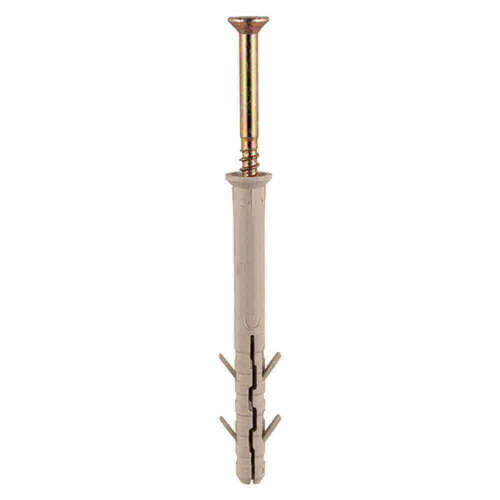
Timco 10120NFFP Nylon Frame Fixings - PZ - Yellow - 10 x 120mm 2 Pieces
Yellow nylon frame fixing, 10 x 120mm, pack of 2
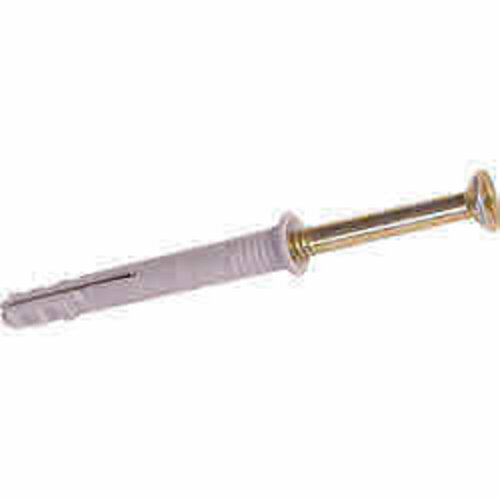
Hammer Fixing - 8 x 120mm 100 Pk
8 x 120mm hammer fixing, pack of 100
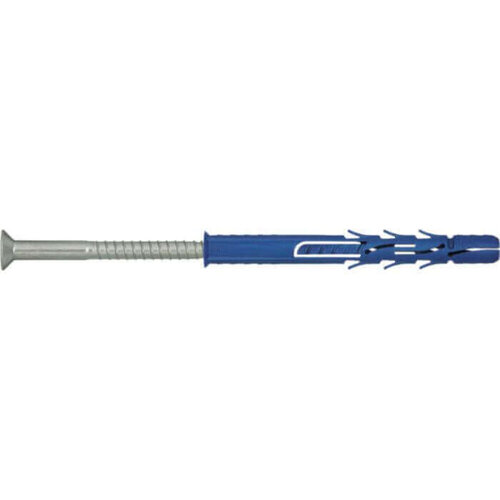
Rawlplug FF1 Universal Frame Fixing Nylon Countersunk ZP - 10x120mm 4 Pack
Nylon frame fixing for hard materials, 10 x 120mm, pack of 4
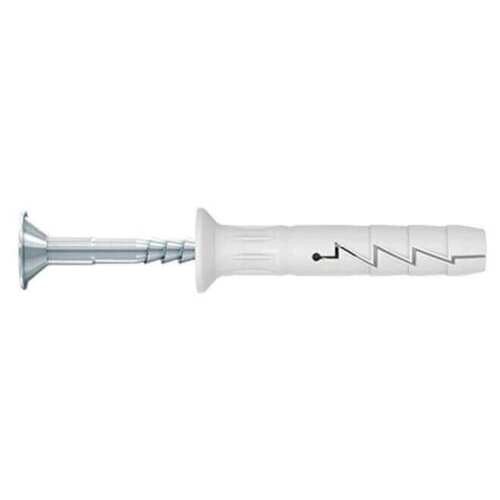
Rawlplug FX Hammer Fixings Nylon Countersunk ZP - 6 x 40mm 16 Pack
6x40mm nylon hammer fixings, countersunk, 16 pack
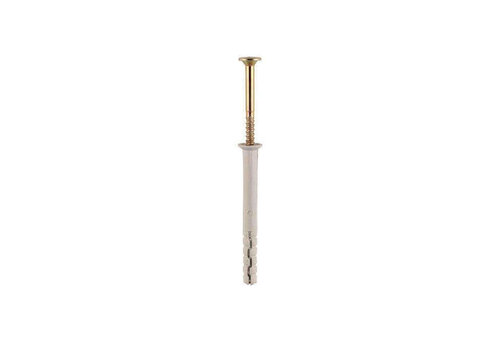
Nylon Hammer Fixing (PZ Zinc) - 8mm x 100mm 40 Pack
8mm x 100mm nylon hammer fixing with Pozidriv zinc head, pack of 40
For the Trade
You narrow frame fixings by space and use before you worry about finish or extras. If the frame is tight to the reveal, you need a fixing that goes in cleanly without fighting the gap. With more room, access and speed matter more. The call usually comes down to how much adjustment you need, how firm the hold has to be, and whether you’re using frame fixing screws or a kit that keeps the job moving. Door frame fixings and window frame fixings often get treated the same, but the layout and load path are what change the choice.
Frame & Hammer Fixing Types and Layouts
Nylon frame fixings are the straightforward choice when you want a quick fit and a clean hold. They keep the job moving, with less fuss at the point of install.
Metal frame fixings suit work that needs a firmer bite. You give up some forgiveness, but gain a more rigid fixing where the substrate allows it.
U frame fixings work better where the frame profile or access makes that shape easier to use. Frame anchor fixings sit wider again. They let you match the fixing to the frame and substrate, rather than forcing a generic pack onto the job. That is often the difference between a tidy install and a callback.
What to Check Before You Buy
For frame fixings, start with what the frame and substrate will take, then decide how much adjustment you need once it’s in. Nylon frame fixings suit a cleaner pull-up and less marking on the frame. Metal versions give a firmer bite, but you lose some forgiveness.
On mixed jobs, frame fixing screws are the bit that gets missed most often, so check the pack contents before you leave. For finishing work, Furniture Fixings and Mirror & Picture Fittings are the usual next stops when the frame work is only part of the order.
Useful Alongside Frame & Hammer Fixings
Once you’ve picked the fixing, the next call is what else is going into the opening or around it. If you’re lining out a frame with trims, panels or a screen, sort the fixing first. Access and edge detail can change what you can get in.
If the job runs into adjacent joinery or fitted storage, move on to furniture fixings. If you’re hanging a mirror or picture alongside the frame work, mirror and picture fittings keep that part of the job in the right lane. It saves you coming back with the wrong pack.
Related searches
Local availability for Frame & Hammer Fixings













