Furniture Fixings
Furniture fixings come down to what you’re joining and how much adjustment you need on the day. Connector bolts and screws suit flat-pack repairs and cabinet work where you want a neat, repeatable pull-up. Heavier furniture fixing bolts are the better shout when the joint needs more bite or the panel thickness is less forgiving. If you’re matching existing hardware, check the thread, head and length first. That’s where most call-backs start. A furniture fixing kit can save time on straightforward jobs, but loose parts give you more control when the job isn’t standard.
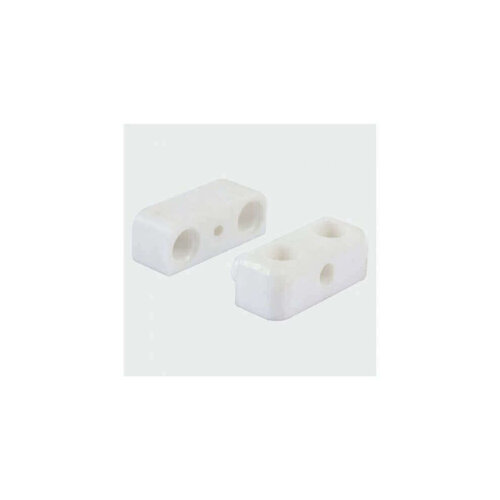
Timco Knock Down Blocks - 35mm x 25mm x 12mm White 4 Pack
White knock-down blocks for 90° board assembly, pack of 4
SPAX Dowels Type SD - 8 x 40mm
SPAX SD dowel plugs, 8mm x 40mm
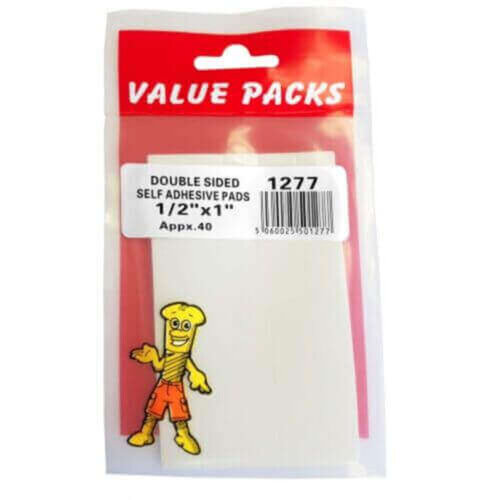
Fastpak Value Pack Pads Self Adhesive - B1277 - 12 x 25mm (1/2" x 1") 40 Pack
40-pack self-adhesive pads, 12x25mm, for furniture fixings
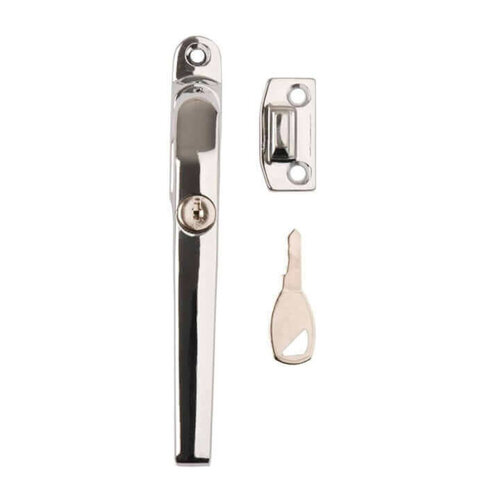
Modern Locking Fastener - Polished Chrome
Polished chrome locking fastener for furniture fixing
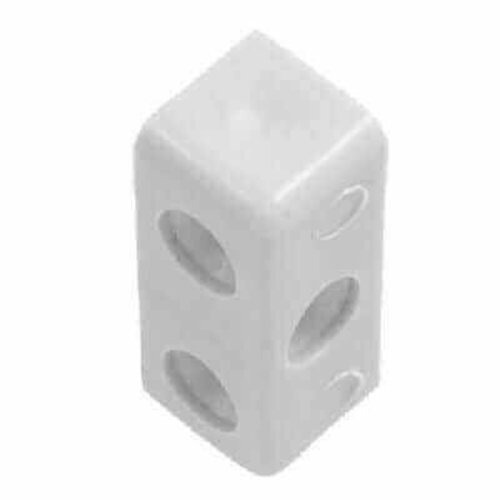
Fastpak Modesty Blocks, VP1215 - White
White Fastpak modesty blocks, model VP1215
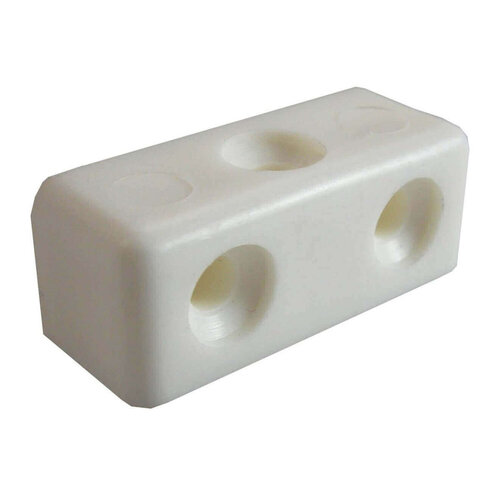
Bonus Bag Fixing Blocks White - 10 Pack
White fixing blocks, pack of 10
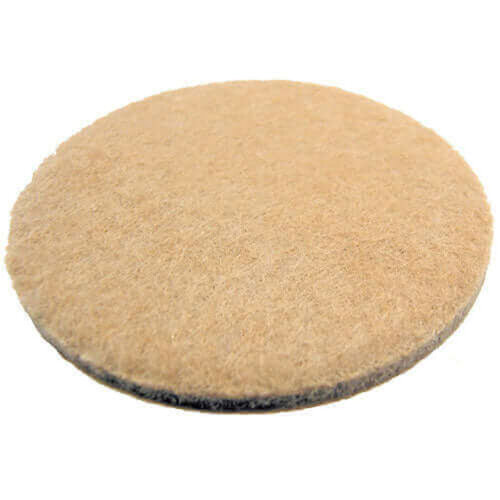
Felt Pads - 50mm 4 Pack
Heavy-duty protective felt pads, 50mm diameter, 4 pack
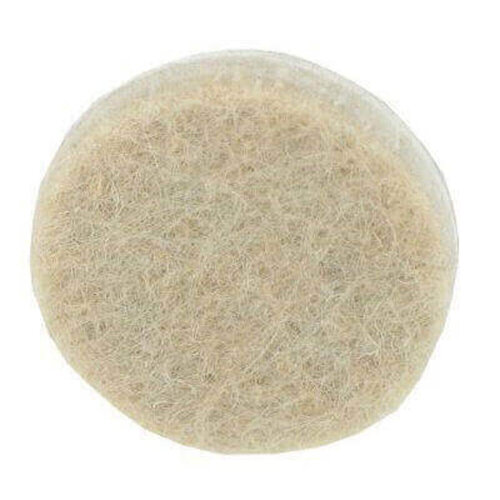
Fast-PAK Adhesive Skid Protectors - 25mm
25 millimetre adhesive skid protectors
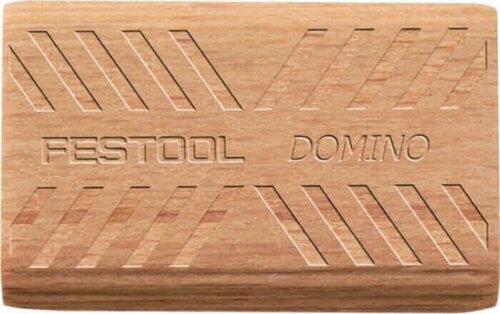
Festool Domino Beech Dowel - 5mm x 30mm 300 Pack
Beech dowel 5mm x 30mm, rotation-proof, 300 pack
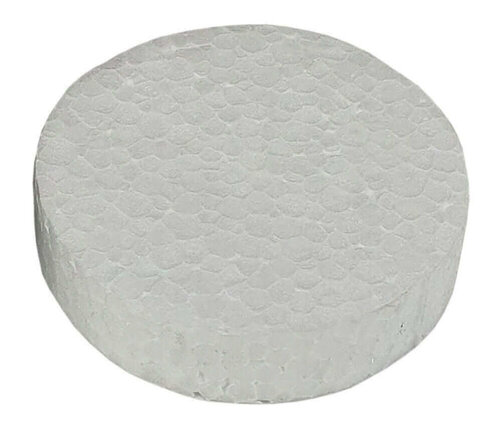
GP Polystyrene Cover Plugs - White 100 Pack
100-pack of 67mm white polystyrene cover plugs for mounting anchor recesses
For the Trade
Start with the space you’ve actually got and how the unit will be used, then work back from there. In tight carcasses or awkward corners, low-profile furniture fixings usually save trouble because bulky heads and long projections get in the way. Where the joint needs more pull-up or a firmer hold, furniture fixing bolts are the better shout, but you give up a bit of speed and forgiveness. For cabinet fixings and wardrobe furniture fixings, check how much adjustment you need before you worry about finish or extras - that’s where most wrong orders start.
Types of Furniture Fixings
Furniture connector screws suit quicker assembly and lighter cabinet work where you want a neat pull-up. Furniture connector bolts are the usual pick when you need a firmer joint and a bit more tolerance on the day.
Furniture fixing bolts go one step further on strength, but they take up more room and can be overkill on simple carcasses. Fixings & Fasteners is the parent range if you’re matching the fixing to the rest of the job.
Selection Factors for Furniture Fixings
If you’re matching existing furniture fixings, start with the fixing pattern and the hole size before you worry about finish. That’s where most wrong orders come from.
For quick cabinet repairs, furniture connector screws are usually the cleaner pick because they’re easier to pull up and replace. Connector bolts suit joints that need a firmer pull and a neater through-bolt arrangement, but they need the right access and alignment.
On wardrobes, check the panel thickness and the load on the joint. A light carcass does not need the same hardware as a tall run.
If the job also needs wall support, move over to Cavity Fixings. For hanging or locating pieces, Mirror & Picture Fittings is the better match.
Finish the Room
Once the fixing is chosen, the next call is what sits around it. In a run of units, you may still need panels and storage hardware to keep the carcass square and give you a solid fixing point.
For fitted pieces and wardrobes, cabinet fixings and wardrobe furniture fixings help stop movement later. If the unit is wall-hung, check the support side as well. A light fixing in the wrong substrate is where callbacks start. If the finish is already set, match the hardware to that rather than forcing a different layout.
Related searches
Local availability for Furniture Fixings












