Heavy Duty Fixings
Heavy duty fixings are what you reach for when a standard plug won’t hold in masonry or block. The choice comes down to load, base material and how much room you’ve got to work with. Wall anchors, heavy duty screw fixings and heavy duty expansion fixings all solve the same job in different ways, and the wrong one is the one that gets called back.
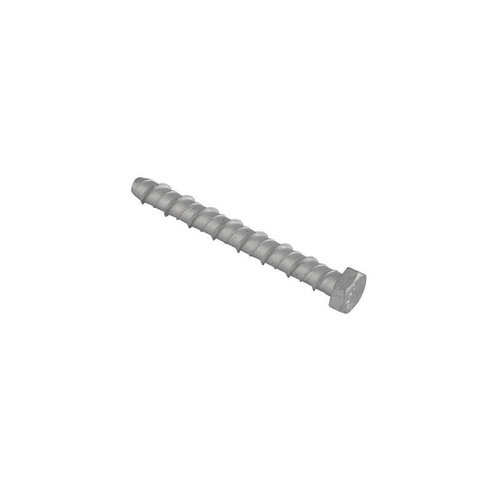
Forgefix Lightning Bolt Hex Head - M10 x 60mm (2 3/8") Box of 50
High-tensile hex head masonry anchors M10 x 60mm, zinc plated, 50-pack
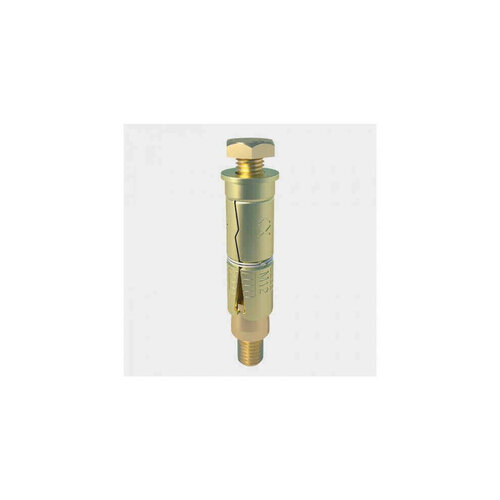
Timco - Shield Anchor Loose Bolts - Yellow - M10:10L (M10 x 70) - 4 Pack
M10 yellow zinc carbon steel shield anchor, 70mm bolt, pack of 4
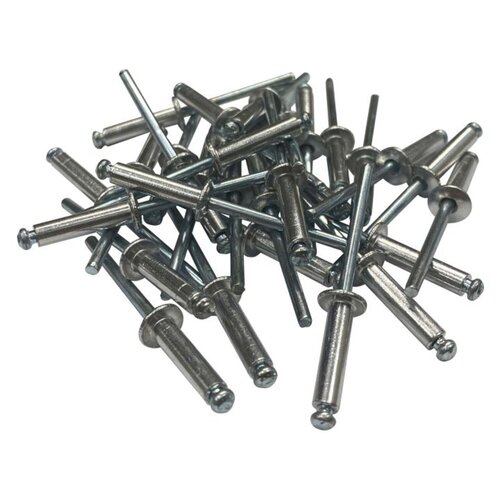
Eclipse Aluminium Rivets Short - 4mm 100 Pack
Pack of 100 short 4mm aluminium rivets with dome head
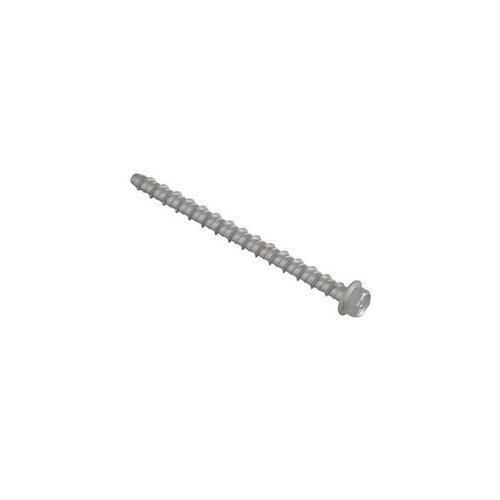
Forgefix Lightning Bolt Hex Flange Head - M6 x 50mm (2") Box of 100
M6 x 50mm zinc plated hex flange head masonry bolts, box of 100
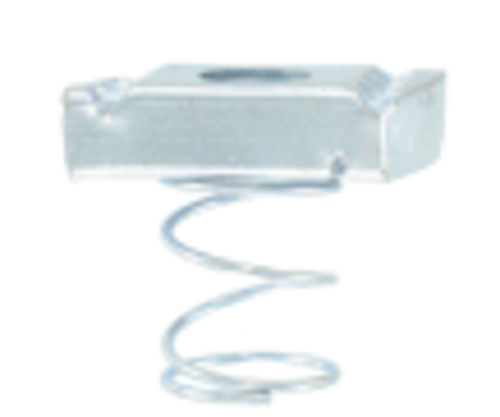
Deligo Channel Nut Spring - M8 Short
M8 channel nut with short spring
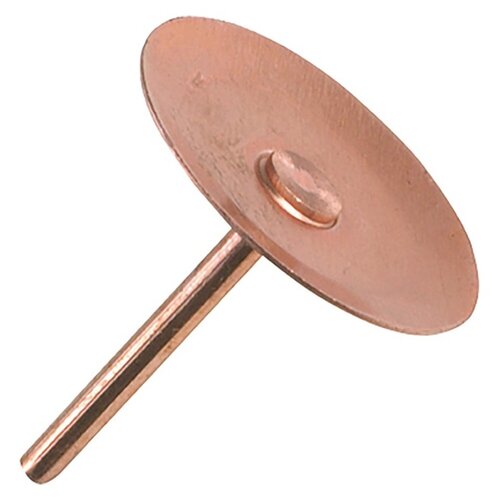
Unifix Copper Disc Rivets - 19mm (3/4") 100 Pack
Copper disc rivets, 19 millimetre diameter, 100 pack
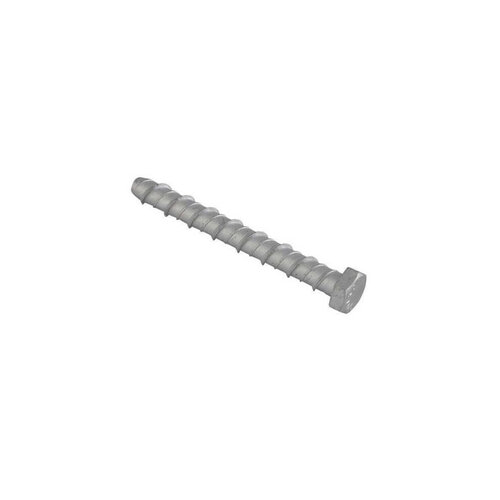
Forgefix Lightning Bolt Hex Head - M12 x 130mm (5 1/8") Box of 25
Heavy-duty M12 x 130mm zinc plated masonry anchor, pack 25
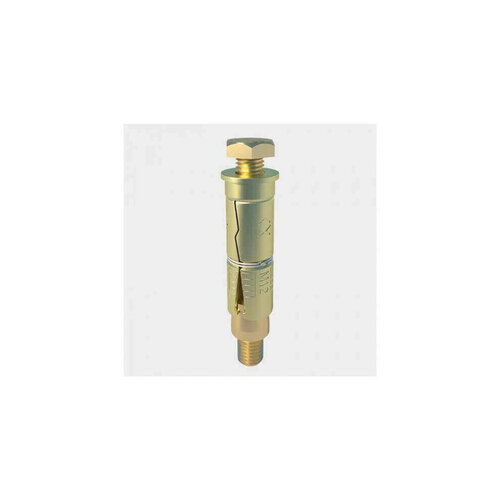
Timco Loose Shield Anchor - M8 x 75mm ZYP
M8 x 75mm metal expansion anchor, zinc yellow passivated finish, box of 50
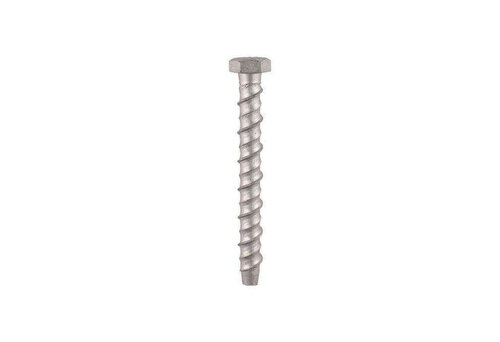
Hex Exterior Masonry Bolts (Silver) - Diameter - 10.0mm - Length - 100mm - Qty -…
Silver hex head exterior masonry bolts, 10mm x 100mm, pack of 12.
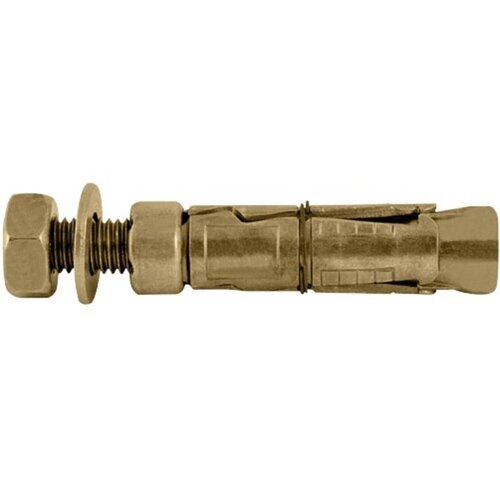
Unicrimp Anchor Bolt - M8 x 65mm Carbon Steel 4 Pack
M8 carbon steel anchor bolt, 65mm length, 4 pack, heavy duty
For the Trade
Start with the space you’ve got and how the fixing will be loaded. That usually narrows it down fast. On solid masonry, heavy duty expansion fixings or heavy duty screw fixings are often the cleaner pick because they give a firmer bite with less movement. Where access is awkward or the base material is less forgiving, heavy duty wall anchors or heavy duty toggle fixings may be the better call, but you give up a bit of simplicity. The bit that gets missed most is layout. If the fixing can’t sit properly, the spec on paper won’t save it.
Heavy Duty Fixing Types and Layouts
The first split is usually between a fixing that bites straight into masonry and one that spreads the load behind the face. Heavy duty screw fixings and heavy duty expansion fixings suit solid backgrounds where you want a firm pull-up and a predictable hold. Heavy duty wall anchors and heavy duty toggle fixings come into their own where the substrate or access makes that harder.
If you want a cleaner, quicker fix, screw and plug-style options are usually the first pick. When the job is more demanding, anchor and toggle types give you more holding margin, but they are less forgiving if the base is poor. If you are working through the wider Fixings & Fasteners range, this is where the load path decides the product.
What to Check Before You Buy
What changes the buy is the background and how much margin you’ve got for the fixing to work properly. In solid masonry, go for heavy duty fixings that bite hard and stay put. On weaker or less predictable bases, use a fixing that spreads the load rather than relying on one point of grip.
Size matters too. Too small and you’re back for a different fixing. Too large and you make the job harder than it needs to be. For lighter assemblies, Furniture Fixings may be the neater call. Mirror & Picture Fittings suit jobs where the load is modest but you still want a secure finish.
Useful Alongside Heavy Duty Fixings
Once the fixing is sorted, the next question is what else is being held off that wall and how much movement you need to allow around it. A panel or screen usually needs a different fixing detail to a bit of storage or a vanity run, because the load is spread differently and edge distance matters more than most people allow for.
If you're finishing a bathroom or utility, check the surrounding items before you order. A missed bracket or the wrong fixing pattern is what brings the call-back, not the main fixing itself. For lighter add-ons, furniture fixings or mirror and picture fittings may be the better buy.
Related searches
Local availability for Heavy Duty Fixings















