Plasterboard Fixings
Plasterboard fixings come down to what you’re hanging, how much load the board needs to take, and whether you’re working with a single skin or a heavier build-up. Nylon types suit lighter jobs and are usually the economical pick. Metal plasterboard anchors or toggle fixings make more sense when the fixing needs to spread load properly. A lot of call-backs start with a light-duty fixing where the board itself was never going to hold it.
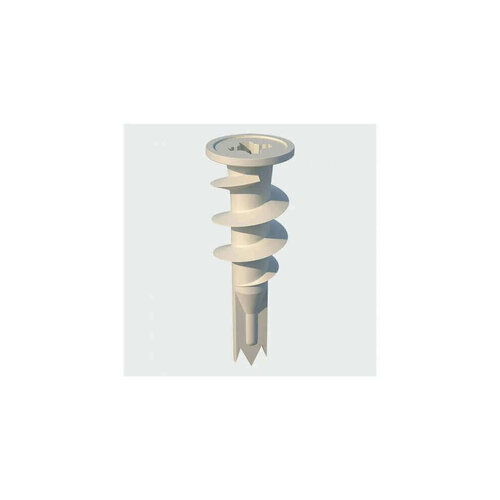
Timco Speed Plug - 42mm Nylon 100 Pack
42mm nylon speed plug, pack of 100, for light-duty plasterboard fixings
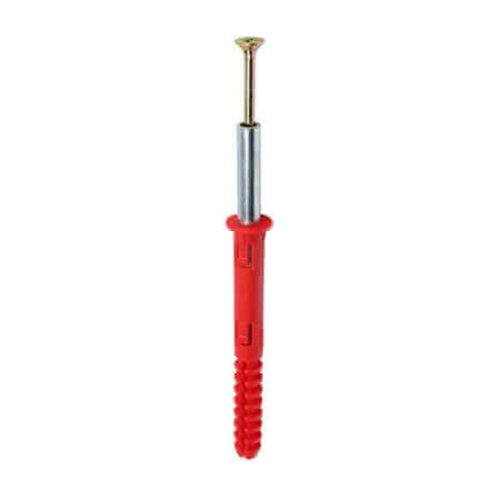
Timco Corefix - 5mm x 100mm 4 Pack
5mm x 100mm dot & dab wall fixings for heavy loads
Unicrimp Metal Self Drive Plasterboard Plug - 100 Pack
100-pack of metal self-drive plasterboard plugs for quick fixing
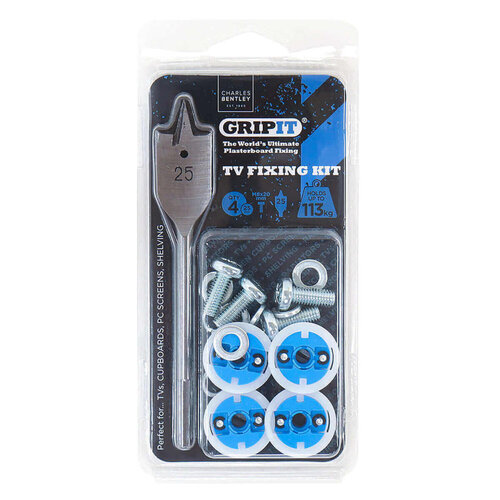
GripIt Plasterboard TV Fixing Kit Blue - 6 Pack
TV fixing kit for plasterboard walls, max load 113 kg, includes 6 fixings
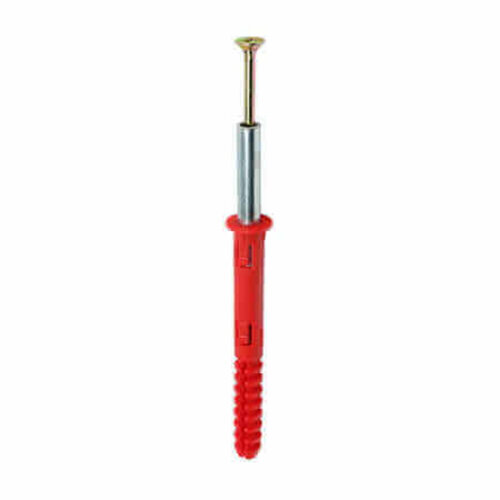
Timco Corefix Plus - 5mm x 120mm 4 Pack
Dot and dab wall fixing for heavy loads, 5mm x 120mm, 4-pack
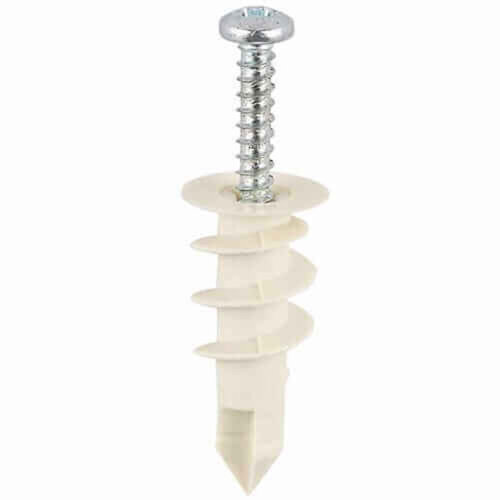
Select Hardware Plasterboard Rotary Plug with Screws - Plastic 4 Pack
Strong plasterboard wall fixings with screws, pack of 4
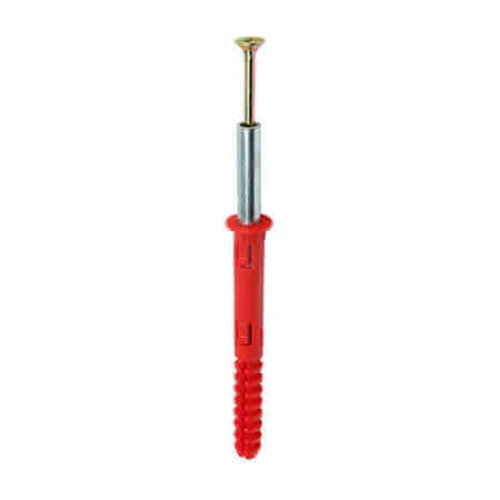
Timco Corefix Fixing Kit - 5mm x 100mm 6 Pack
Fixing kit for dot & dab walls, 5mm x 100mm, 6 pack
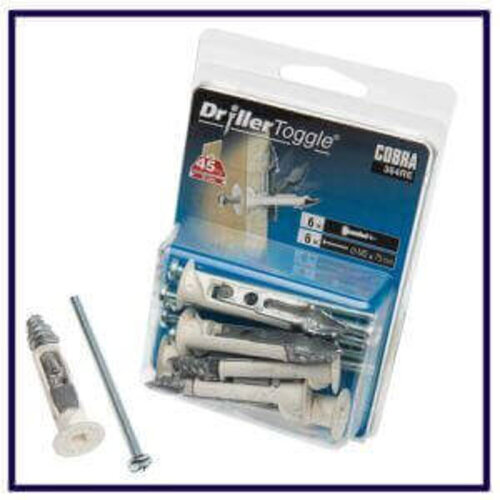
Cobra - Drillertoggle - M5 x 75mm 6 Pack
Self-drilling plasterboard wall fixing, M5 x 75mm, 6-pack
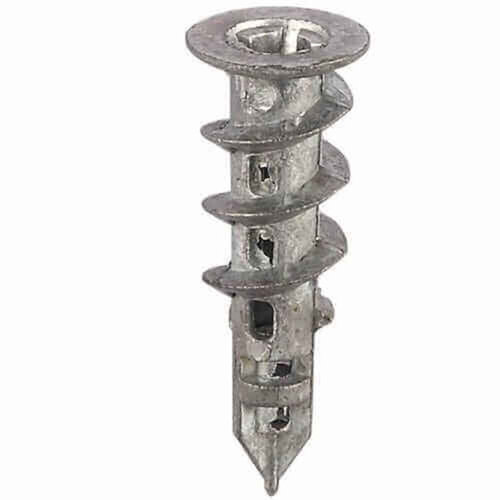
Select Hardware Plasterboard Driva Plug with Screws Metal - 4 Pack
4-pack of metal spiral Driva plugs with screws for plasterboard mounting.
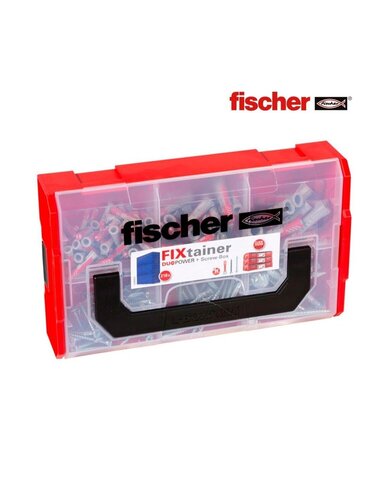
Fischer DuoPower FixTainer Short Plasterboard Wall Plugs & Screws - Assorted 210…
210-piece plasterboard fixing kit with DuoPower plugs, screws, hooks and safety …
For the Trade
You usually narrow plasterboard fixings by the load, the board thickness, and how much room you’ve got behind the board for the fixing to work properly. Light fittings and small brackets are one thing. Anything with pull or movement needs a different answer, and that’s where plasterboard anchors or toggle fixings start to earn their keep. The awkward jobs are the ones with a poor fixing point and no access for a proper spread. If the board is sound but the load is marginal, I’d still steer you away from guessing. That’s where the call-backs start.
Plasterboard Fixing Options Compared
Plasterboard fixings split first into quick, light-duty options and the ones you use when the fixing needs to bite properly. Plasterboard screw fixings suit straightforward jobs where you want a fast fit and a clean finish. Plasterboard anchors give you more grip without moving up to a toggle.
Plasterboard toggle fixings come into play where the load is awkward or there’s movement behind the board. They hold better in those jobs, but you give up speed and a bit of convenience. If you’re buying for mixed work, a plasterboard fixings trade pack usually makes more sense than single boxes. Keep the rest of the range under Fixings & Fasteners when you need to compare it with the other board and hollow-wall options.
Choosing Materials and Size
Start with the board spec before you worry about the fixing. Fire, moisture, acoustic, thermal or vapour-control board changes the job more than the anchor does, and the wrong sheet is what causes trouble later.
5mm and 2400x1200 are common enough, but heavier or larger boards change handling, fixing centres and how many joints you’re dealing with. For lighter fittings, Furniture Fixings may be the next stop. For framed items and smaller wall-hung work, Mirror & Picture Fittings is usually the follow-on.
Completing the Setup
Once you’ve picked the board, the next call is usually the bits that finish the system: the right screws, tracks, tape and jointing materials. That’s where jobs go right or get messy.
Use plasterboard screw fixings when you want speed and a clean run of board, but don’t skimp on screw length if you’re over thicker board or double layers. Tracks and u-track matter when the frame’s still being set out.
Tape and compound need to suit the finish you’re after. A weak joint shows up fast once the decorators are in.
Related searches
Local availability for Plasterboard Fixings















