Resin Fixings
Resin fixings are the pick when the base material, edge distance or load calls for a bonded anchor rather than a mechanical one. You’re usually choosing between resin anchors, chemical anchors and resin anchor bolts, so the main question is what you’re fixing into and how much adjustment time you need. Polyester types are common for general masonry, while epoxy resin fixings are more often chosen where the job is heavier or the spec is tighter.
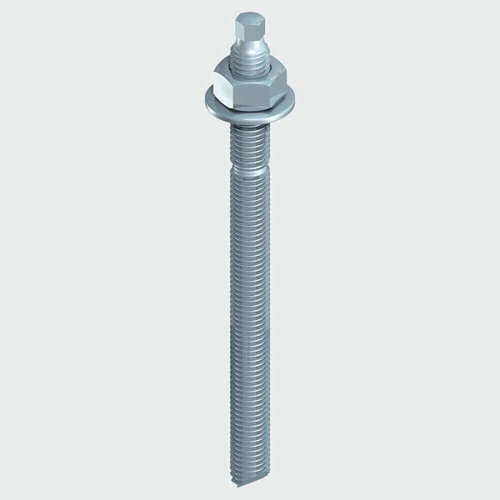
Timco 10130CS Chemical Anchor Threaded Studs, Nuts & Washers - Zinc - M10 x 130 …
M10 x 130mm zinc threaded studs with nuts, washers and nut setter for chemical r…
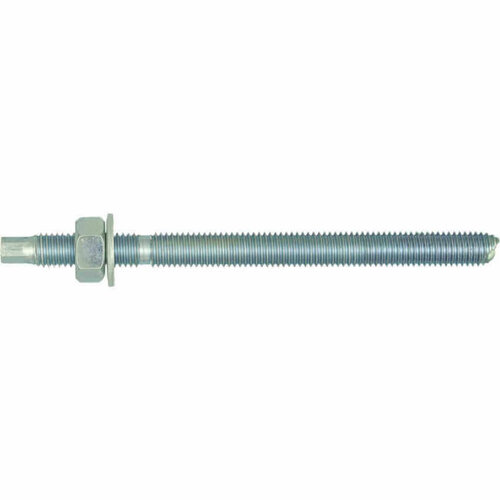
Rawlplug R-Studs Metric Threaded Rod, ZP - 12X160mm
Zinc-plated carbon steel threaded rod for use with bonded anchors, 12x160mm
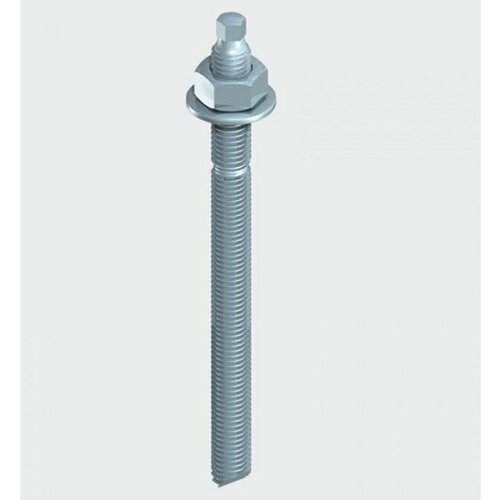
Timco Chemical Anchor Stud - M12 x 160mm BZP
M12 x 160mm chemical anchor stud with BZP finish for resin fixing
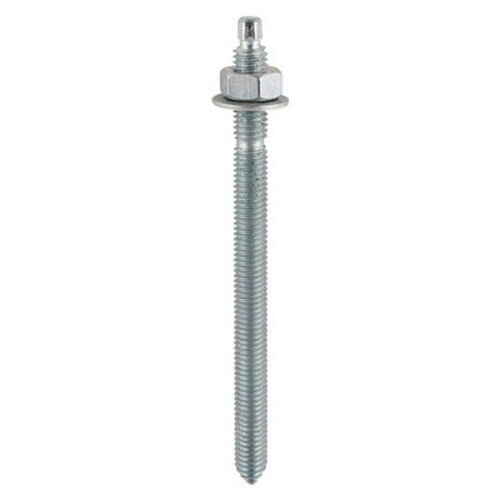
Timco Chemical Anchor Studs - M10 x 130mm Zinc 2 Pack
M10 x 130mm zinc chemical anchor stud with chisel point and hex drive, pack of 2
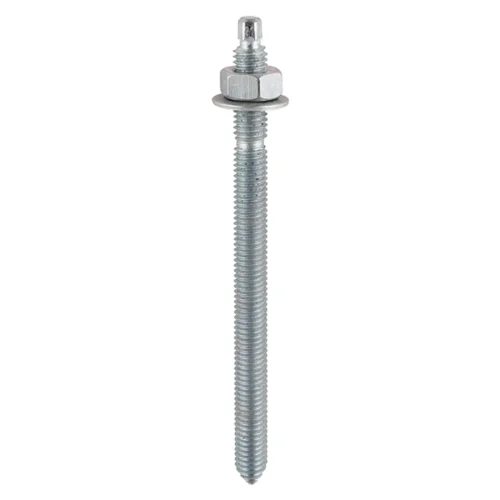
Timco Chemical Anchor Threaded Studs, Nuts & Washers - M16 x 190mm 10 Pack
M16 x 190mm threaded studs with nuts & washers, 10 pack
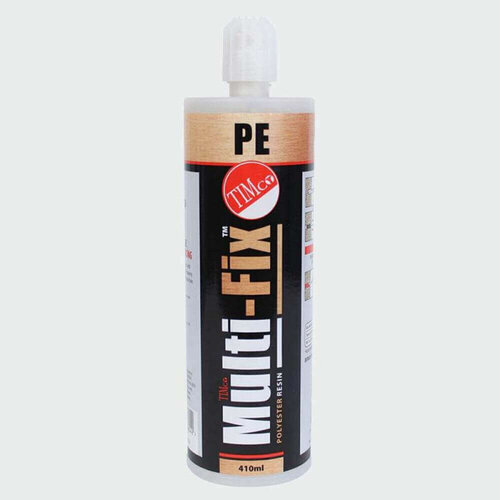
Timco PE410 PE Chemical Resin Tube 1 - 410ml
Two-component polyester resin tube for masonry fixings, 410ml
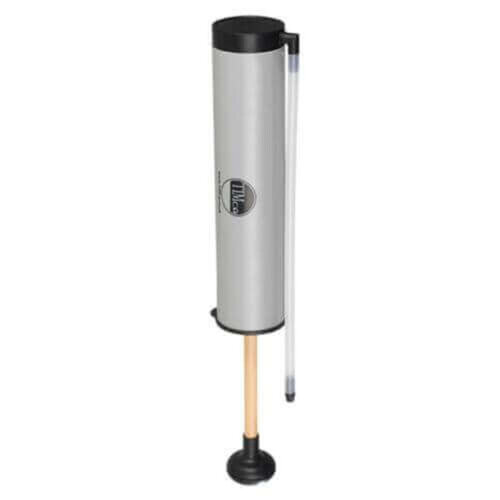
Timco Blow Out Pump - 64mm x 280mm
Blow-out pump for cleaning drill holes before resin injection
Rawlplug R-KER-II Hybrid Resin Mixing Nozzles - 10 Pack
Mixing nozzles for Rawlplug R-KER-II hybrid resin, pack of 10
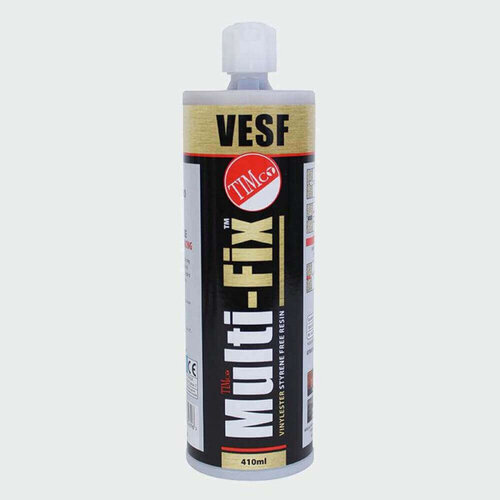
Timco VESF410 VESF Vinylester SF Chemical Resin Tube 1 - 410ml
TIMCO VESF410 vinylester resin, styrene-free, low odour, 410ml
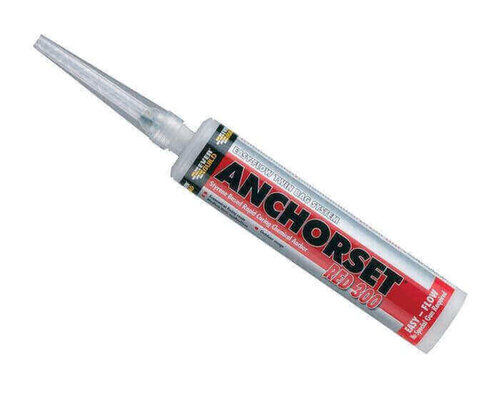
Anchorset - 300ml - Red
Rapid repair sand & cement, sets in 30 minutes, 300ml red
For the Trade
Start with the space you’ve actually got and how the fixing will be used. That usually decides the resin fixings before anything else. Tight access, awkward edge distances and a job that needs a bonded anchor all push you one way. A straightforward masonry pull-out job may not need the same spec. Resin anchors with threaded rod suit most post-installed work. Epoxy resin fixings are the one to look at when the load or substrate is less forgiving. The mistake I see is buying on finish or pack size first, then finding the layout has made the choice harder than it needed to be.
Popular Resin Fixing Formats
Resin anchors are the straightforward pick for ordinary masonry work. They give you a bonded fixing without adding more than you need.
Resin anchor bolts suit jobs where the rod or stud comes with the fixing. That saves time on site, but it gives you less flexibility than building the fixing up yourself.
For heavier or more critical work, structural resin fixings are the better call. They are chosen to suit the spec, not just the hole size, so you trade a bit of speed for more margin.
Trade resin fixings sit in the middle. They cover everyday work without pushing you into a heavier system.
Fixings & Fasteners is the parent hub if you are narrowing the rest of the fixing choice.
Key Differences When Choosing
Start with the base material and the load path, not the pack. Standard resin anchors cover general masonry where you need a bonded fixing and decent pull-out resistance. Epoxy resin fixings suit more demanding jobs or less forgiving substrate.
Resin anchor bolts work when you’re fixing threaded rod or stud, but you lose some flexibility if the spec changes late. For furniture jobs, Furniture Fixings may be the cleaner buy. For lighter hanging work, Mirror & Picture Fittings is usually the better fit.
Next Decisions After Choosing
Once you’ve picked the resin fixings, the next call is what sits around them. If the job finishes into a fitted run, you’re usually into furniture fixings next. For a lighter display or a small bracketed item, mirror and picture fittings are often the cleaner buy.
That’s where jobs slip. The anchor is right, but the fixing for the panel, screen or accessory gets missed. Keep the finish and the load path in mind together. A neat face with the wrong support still comes back.
Related searches
Local availability for Resin Fixings











