Wall Plugs
Wall plugs come down to what you’re fixing into and how much load the fixing needs to take. Standard plastic wall plugs suit light brackets and general trade work. For harder masonry, brick wall plugs or masonry wall plugs give a firmer bite, while concrete wall plugs and heavy duty wall plugs come into play when the fixing has to carry more. Plaster needs a different call, and the plug choice, along with the screw size, starts to matter.
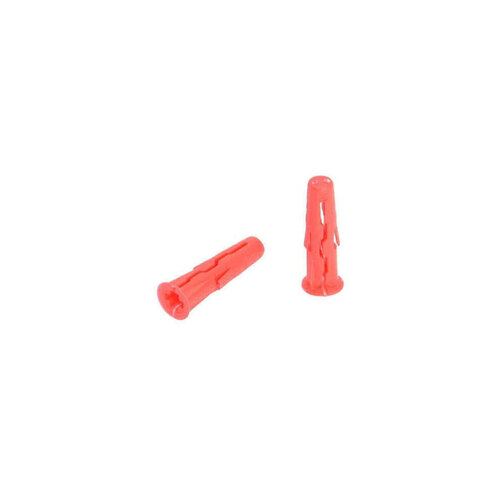
Rawlplug Uno Universal Plastic Wall Plug Red - 6 x 28mm 48 Pack
Universal red plastic wall plug, 6 x 28mm, pack of 48
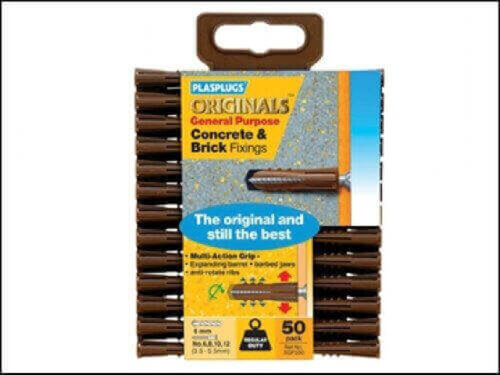
Plasplugs General Purpose - 50 Pack
Brown general purpose wall plugs – 50 pack
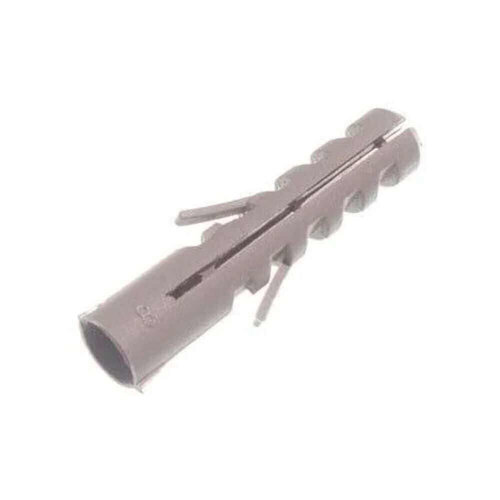
Bonus Bag Wall Plugs - Nylon M10 x 50mm 10 Pack
Nylon wall plugs, M10 x 50mm, pack of 10
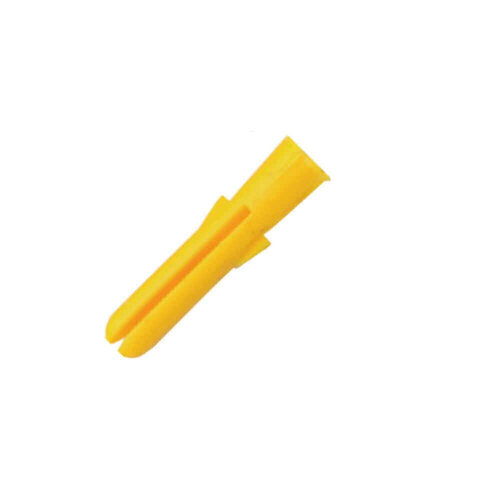
Bonus Bag Wall Plugs - Yellow 60 Pack
4Trade yellow wall plugs, pack of 60
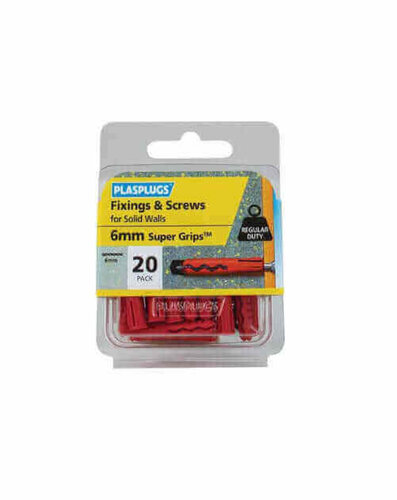
Plasplugs Super Grips & Screws - 20 Pack Red
Pack of 20 red Plasplugs Super Grip plugs and screws
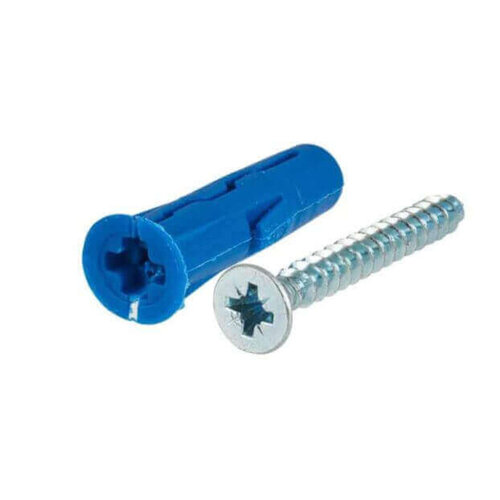
Rawlplug Uno Universal Plastic Wall Plug with Screw - Blue 8mm 20/20PK
Blue universal wall plug with screw, 8mm, pack of 20 plugs and 20 screws
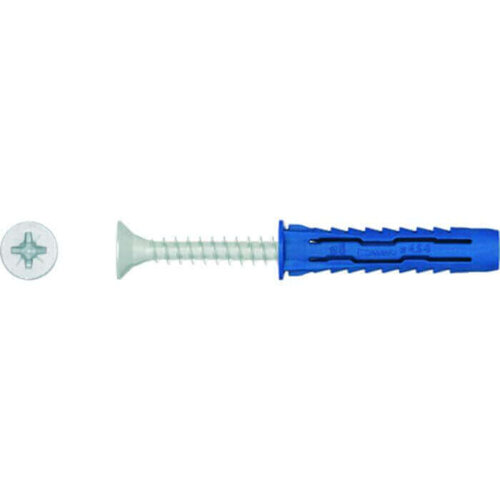
Rawlplug 4All Universal Wall Plug Nylon with Screws - 10mm 8 Pack
Universal wall plug with 4-way expansion, 10mm diameter, 8 pack
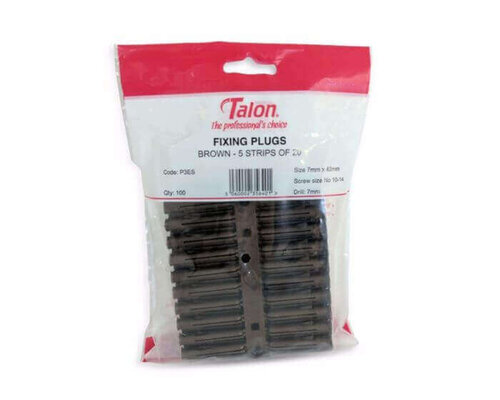
Talon Rawlplugs - Brown 100 Pack
Brown 100-pack wall plugs with two-way expansion and side fin anchors
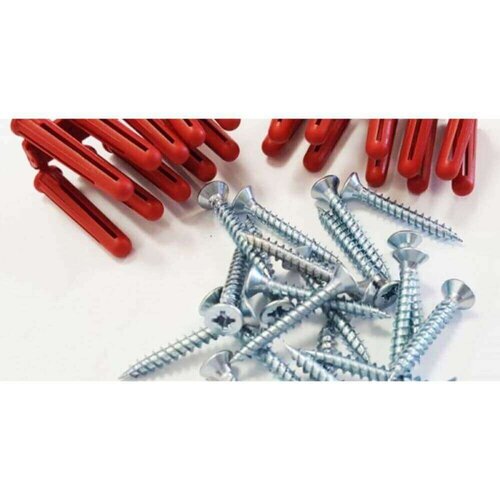
Bonus Bag Screw & Wall Plug Kit - 1 x No.6 Yellow 20 Pack
No.6 yellow wall plug and screw kit, pack of 20
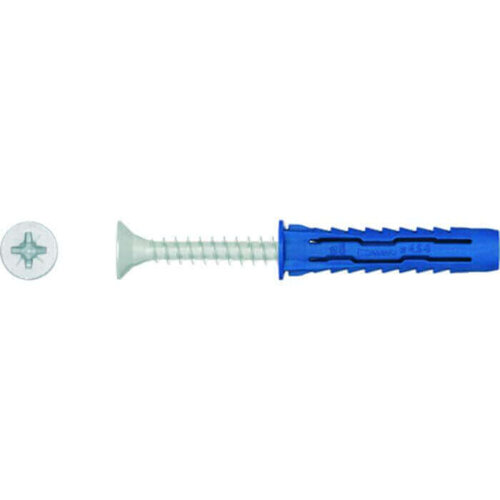
Rawlplug 4All Universal Wall Plug Nylon with Screws - 5mm 20 Pack
Universal wall plug with 4-way expansion, 5mm diameter, 20 pack
For the Trade
You’re usually choosing wall plugs on three things: the base, the load, and how much tolerance you need if the hole isn’t perfect. Plastic wall plugs cover plenty of everyday work. Once the substrate gets softer, dustier or more variable, you need to be pickier about the plug shape and grip. Heavy duty wall plugs come in when the load or pull-out risk is higher. Masonry wall plugs and concrete wall plugs are the ones you reach for when the base is doing the real work. The jobs that get called back are usually the ones where the plug was matched to the screw, not the wall.
Popular Wall Plug Formats
If you’re sorting wall plugs at the counter, start with what you’re fixing into and how much pull-out you can live with. Nylon wall plugs are the usual all-round pick for general masonry because they give you a bit of forgiveness on site.
Brick wall plugs make more sense when the brick is sound and you want a cleaner, more predictable bite. Concrete wall plugs suit harder bases where a softer plug can feel loose.
Plaster wall plugs are only worth using when the fixing is going into weaker plaster rather than the structure behind it. If you’re comparing Fixings & Fasteners, that’s usually where the job narrows down fast.
Key Differences When Choosing
Material is where you narrow it down quickest. Plastic wall plugs are the everyday pick because they’re easy to handle, but they’re not the one to reach for if the fixing is taking more pull or the base is less forgiving.
Move up to heavier wall plugs when the load or pull-out risk justifies it. You gain grip and confidence, but you lose a bit of speed and forgiveness if the hole is not right. The call-backs usually come from choosing for convenience instead of the base.
If the fixing is more about a hook or clip than a structural load, look at Hooks & Eyes or Hose & Tool Clips instead.
Next Decisions After Choosing
Once the wall plugs are chosen, the next call is usually what sits around them. On a bathroom or utility job, the fixing often goes in with the wall finish, so check the board, tile, or plaster detail before you close out the work.
For lighter accessories, the fixing is only part of the job. Load and surface finish both matter. If the install includes screens, storage, or a panel edge, keep the fixing line tidy now rather than chasing it later. The right wall plugs help you avoid swapping parts halfway through.
Related searches
Local availability for Wall Plugs


















