Fixings & Fasteners
Fixings and fasteners usually come down to what you’re fixing into, how much load it’s taking, and whether you want a quick fit or a more secure hold. Plastic fixings suit lighter work and keep costs down. Metal fixings and fixing anchors make more sense once pull-out starts to matter. The jobs that get called back are usually the ones where the fixing was chosen for convenience, not the substrate.
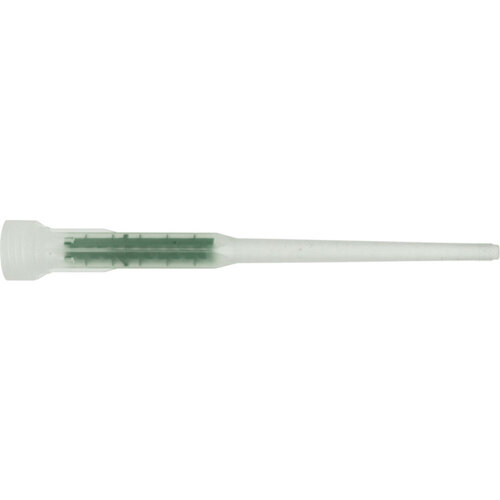
Polyester Resin Chemical Anchor - Nozzle
Clear nozzle for polyester resin chemical anchor
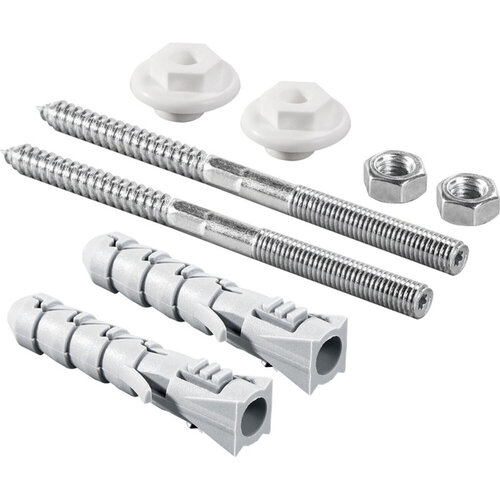
Rawlplug Sanitary Fixing Kit - Basin Fixing 10 x 140mm
Complete basin fixing kit with high-resistant components for solid base material…
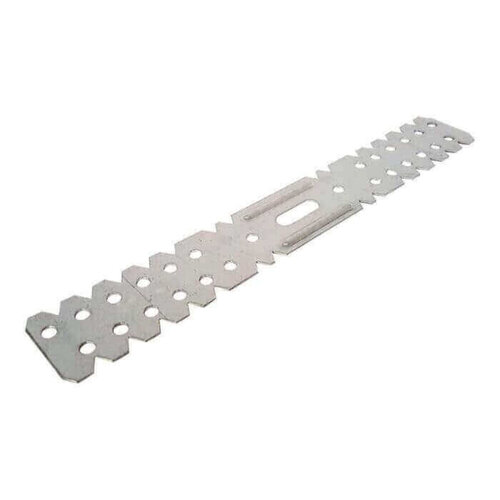
Drylining Metal Frame & Ceiling ELS2 Reach Bracket U Hanger - 70X195MM 100PK
Galvanised U hanger for drylining frames, 70x195mm, 100-pack
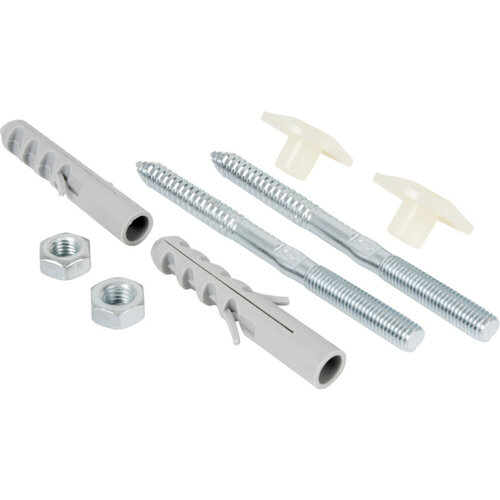
Fischer Sanitary Fixing Kit - Wash Basin Kit
Wash basin fixing kit with nylon plugs and brass screws.
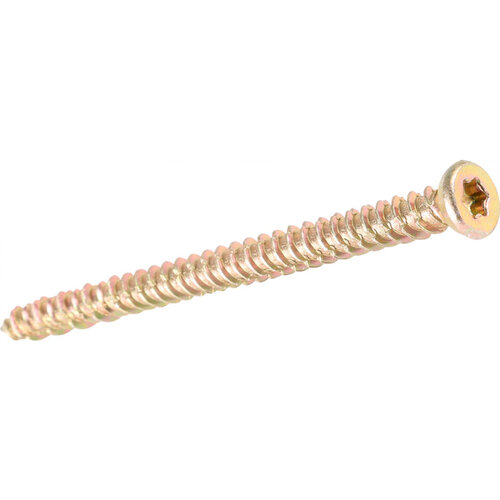
Masonry Torx Frame Fixing Screw - 7.5 x 122mm 100 Pack
7.5 x 122mm Masonry Torx frame fixing screw, 100 pack.
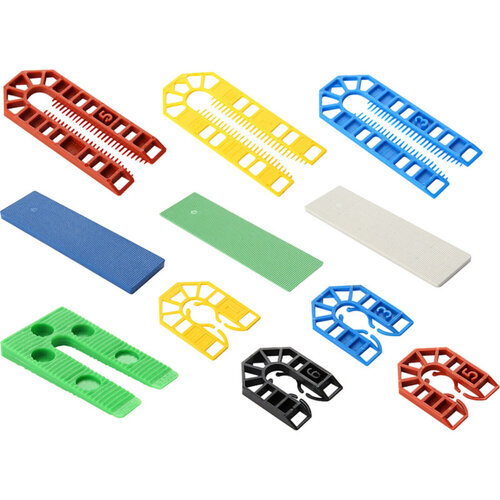
Broadfix Levelling Shims Kit - Assorted 160 Piece
160-piece waterproof levelling shim kit with colour coding.
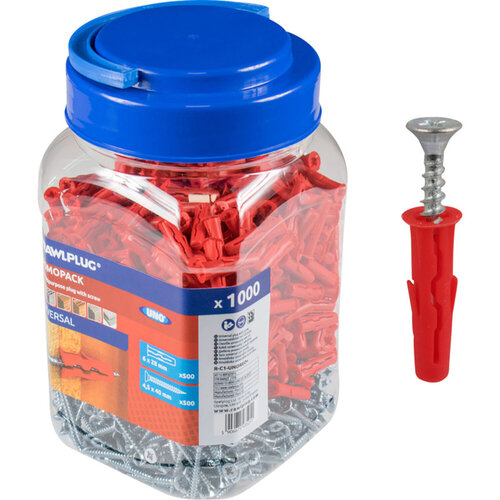
Rawlplug Uno Universal Contract Wall Plug Red 6mm - With Screws 500 Pack
6mm red universal wall plugs, 500 pack with screws, for solid or hollow substrat…
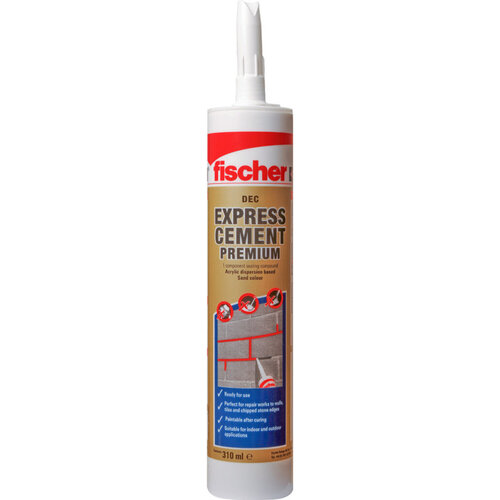
Fischer Dec "Premium" Express Ready Mixed Cement Cartridge - Sand
Fischer DEC Premium Express cement cartridge 310ml sand
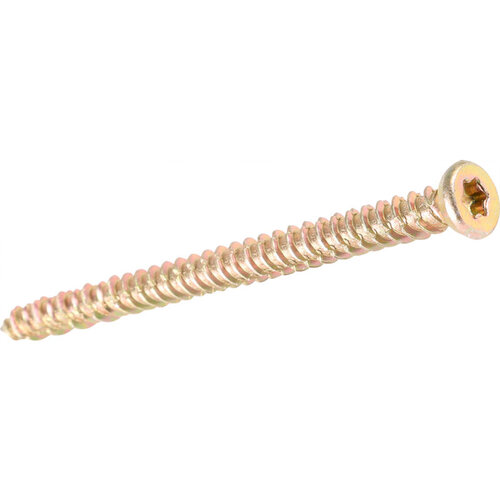
Masonry Torx Frame Fixing Screw - 7.5 x 82mm 100 Pack
7.5 x 82mm Masonry Torx frame fixing screw, 100 pack.
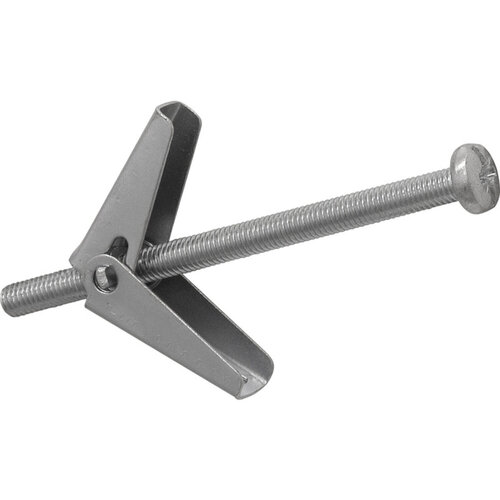
Spring Toggle - 6 x 50mm 10 Pack
Spring toggle 6mm x 50mm for plasterboard walls and ceilings, 10-pack
For the Trade
Start with the space you’ve got and how the fixing will be used, then the choice gets clearer fast. Tight access or a cramped layout usually points you towards the option that goes in cleanly without fighting the substrate. If the job is more exposed, or the load leaves less room for error, move up to fixing anchors or other metal fixings rather than saving a few minutes at the counter. Most bad calls happen when the fixing is chosen for convenience, not for how the job will actually be used.
Cavity Fixings
For this part of the job, you’re usually deciding whether the fixing needs to bite into a void or into something solid behind it. That’s where Cavity Fixings come into their own.
Other fixings and fasteners suit solid masonry or lighter attachments better.
The trade-off is holding power against speed. The more secure options take a bit more care and cost more, but they help avoid movement and call-backs. If the load is modest and the board is sound, you don’t need to overbuy.
Frame & Hammer Fixings
If you’re buying fixings and fasteners for this part of the job, start with what the frame is going into and how much movement you can live with. Frame and hammer types are usually picked when you want a quicker fix into masonry or concrete and do not need the same adjustment time as other fixing anchors.
Once they’re driven home, you lose a bit of flexibility. That suits work where the position is already set. If you need a different hold or a more specific substrate match, step across to Frame & Hammer Fixings.
Furniture Fixings
Furniture jobs usually come down to two things: how visible the fixing is and how much adjustment you need before it’s locked off. Furniture Fixings suit jobs where you want a neater finish and more control than general fixings and fasteners, especially on cabinets, fittings and assembled units where a rough pull-up shows straight away.
Metal fixings are the usual call where the load is higher or the joint gets worked. Lighter plastic fixings can be enough for less demanding work. The common mistake is overbuying strength and ending up with a fixing that’s harder to hide than the job needs.
Heavy Duty Fixings
Heavy duty fixings come into play when the load, the base material, or the fixing point rules out lighter options. You’re usually weighing holding power against how much disturbance you can tolerate in the substrate. Some jobs need a fixing that will take repeated load without working loose. Others need a cleaner hole or less risk of splitting the base.
In practice, the call usually comes down to the material you’re fixing into and how much margin you want on pull-out. If the job is light and straightforward, simpler fixings and fasteners do the job. Once the load starts to matter, this is where you move up.
Hooks & Eyes
Hooks & eyes are the small choice when you want a simple hold rather than a structural fixing. They suit light closure, restraint, and hanging jobs where you need something quick to fit and easy to adjust. They are not the answer when the load is doing any real work.
The usual call is between a neater, lighter fixing and something with more bite in metal fixings or fixing anchors. If the job needs a clean, low-profile finish and only modest pull, these make sense. If it is carrying weight or taking repeated strain, move up the range.
Hose & Tool Clips
Hose & Tool Clips are the bit you pick when the job is about holding a hose or tool line where it won’t creep, rattle, or pull free. You’re usually weighing grip against ease of adjustment. A tighter clip gives more security, but it can mark softer material or be awkward if you need to move it later.
That is what sets them apart from the rest of the fixings and fasteners range. You are not chasing general wall fixing strength here. You are controlling a line or attachment point. On site, the issue is usually the clip that looks fine until vibration or pressure works it loose.
Choosing Materials and Size
The choice usually comes down to what the fixing has to do in the material, not just the size on the packet. Plastic fixings suit lighter loads and quicker work in sound masonry. They are not the answer where the pull is higher or the base is less forgiving.
Metal fixings and fixing anchors are the ones you reach for when you need more bite and less movement. The trade-off is a tighter hole and more care on setting-out. If the job is straightforward and the load is modest, Nails may be the quicker call. When the fixing needs clamping force or a washered finish, Nuts, Bolts & Washers is the better fit.
Completing the Setup
Once you’ve picked the fixings and fasteners, the next call is what else has to go in around them. On a fit-out, that usually means panels, screens, storage and the finishing pieces that sit with them. The fixing choice affects what can be hung cleanly and what needs more support.
If the job will be opened, adjusted or loaded repeatedly, get the fixing spec settled early. Don’t leave it until the rest of the kit is on site. Once the board or unit is in, the wrong fixing can leave you chasing movement or visible pull-through.
Related searches
Local availability for Fixings & Fasteners