Bright Nails
Bright nails are the usual pick for dry internal work when you want an uncoated fixing and a cleaner finish than a coated alternative. If the job is exposed, damp, or likely to stain the timber, move to galvanised instead - bright stock is the more economical option, but it will not give you the same resistance in harsher conditions.
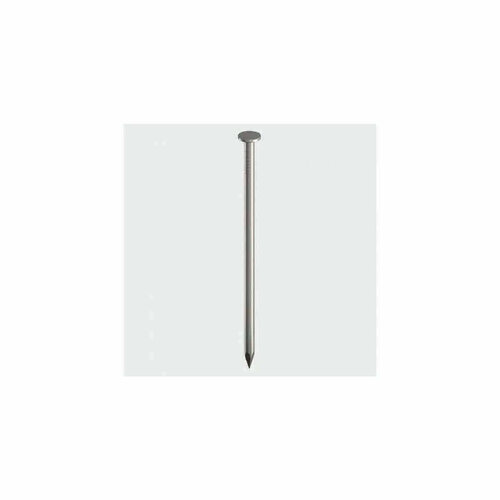
Timco Round Wire Nails Bright - 75 X 3.75MM 0.50 KG
Timco round wire nails, bright finish, 75 x 3.75mm, 0.50kg pack.
Fastpak Oval Nails - 100mm
FAST-PAK 100mm oval nails
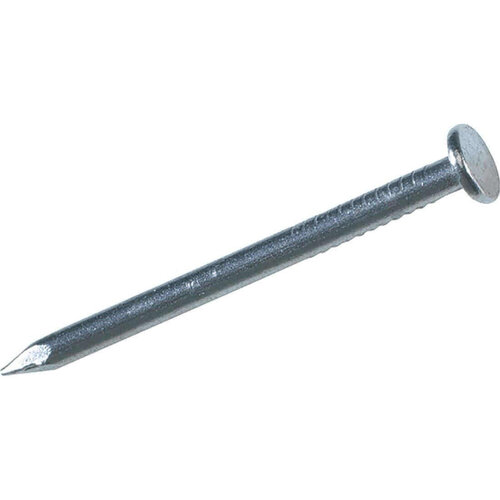
Unifix Round Wire Nail CE - 4.5 x 100mm 5kg
4.5 x 100mm round wire nails for rough carpentry and woodwork, 5kg pack
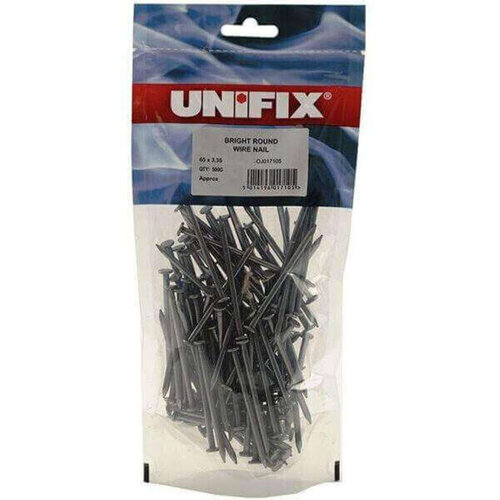
Bright Round Wire Nail - 40mm x 2.65mm 500g Pouch
40mm bright round wire nail, 500g pouch
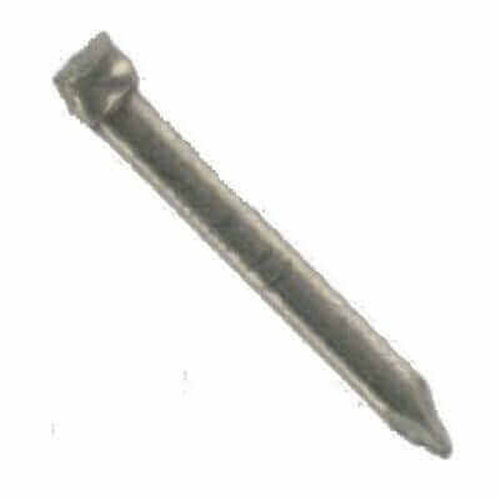
Fastpak Oval Nails - 40mm
FAST-PAK 40mm oval nails
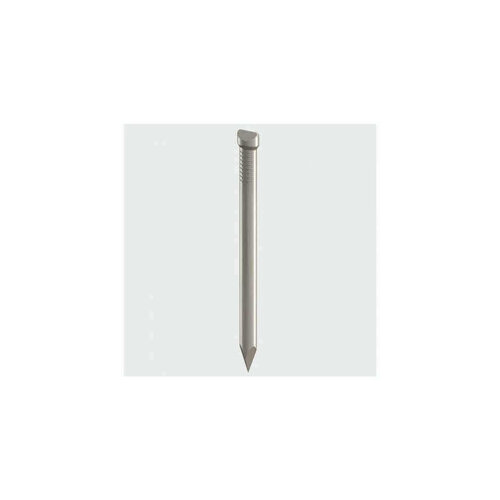
Timco Oval Nails - 75mm Bright 0.5kg
75mm bright oval nails for indoor use, concealed finish
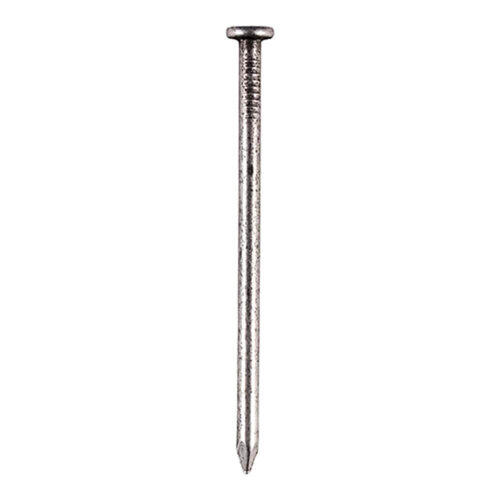
Timco Round Wire Nails - 150mm x 6mm 2.5kg
150mm x 6mm round wire nails, 2.5kg pack
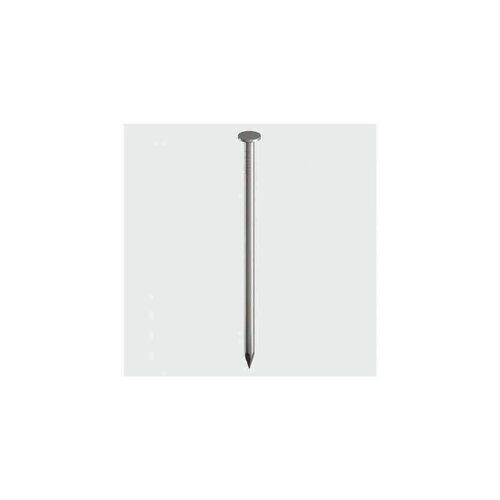
Timco - Round Wire Nails - Bright - 3.75x75mm 2.5kg
Bright round wire nails, 3.75x75 mm, 2.5 kg, for indoor use
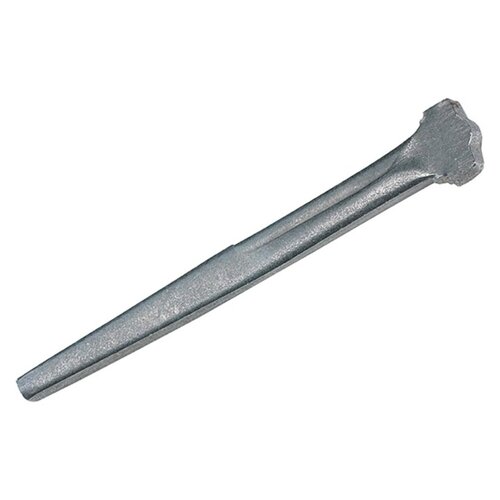
Unifix Cut Clasp Nail - 50mm 500g Pack
Bright carbon steel cut clasp nails, 50 millimetres
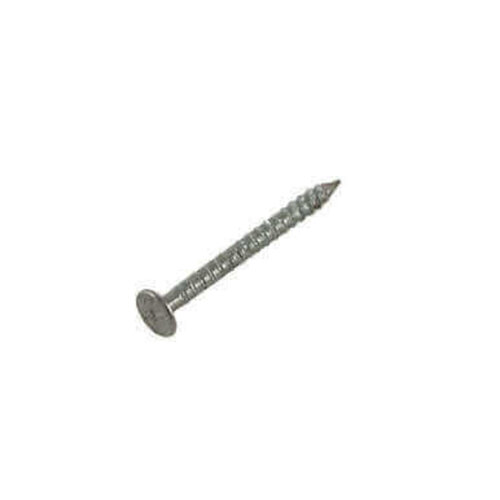
Owlett Annular Ringshank Nails - 20mm x 2.00mm Bright 500g
20mm x 2.00mm bright annular ringshank nails, 500g pack, for strong holding.
For the Trade
Start with where the fixing is going and how much finish matters. Bright nails are usually picked for dry internal work when you want a plain steel fixing and do not need corrosion resistance. After that, length and head style do the real work. They change how the nail sits and how much hold you get. For joinery and carpentry, bright wire nails or bright carpentry nails are the usual call when speed and a neat finish matter more than extra protection. If the job is damp or exposed, move away from bright and onto galvanised instead. That is where the call-backs usually start.
Types of Bright Nails
If you’re sorting bright nails for a job, start with the finish you need. Bright wire nails and bright general purpose nails cover everyday internal fixing where speed matters more than appearance.
Bright carpentry nails and bright joinery nails suit work that needs a cleaner look and a neater pull-down. They do the same core job, but they leave less to tidy up.
Bright round head nails give you a more visible head and a bit more grip. Bright lost head nails sit more discreetly, so they suit work where the fixing should disappear. If you’re comparing the full Nails range, that is usually where the choice starts to narrow.
Selection Factors for Bright Nails
The first call is finish and handling. Bright nails suit dry internal work when you want a plain steel fixing and do not need the extra corrosion resistance of galvanised nails.
Bright steel nails and bright steel wire nails are the tougher daily-use options. They give you a firmer face. The trade-off is weight. They are heavier to move than acrylic on many sites, so you feel that in the box before you feel it in the job.
For finer work, Panel Pins make more sense. Collated Nails suit jobs where speed and machine feeding matter more than hand-driving.
Finish the Room
Once you’ve settled on bright nails, the next call is what else is going into the job around them.
If you’re fixing timber trims, screens or light internal finishes, bright wire nails and bright carpentry nails stay in the mix for everyday internal work. Collated nails make more sense when speed and gun work matter more than hand driving. For finer finish work, panel pins are the next buy. The smaller head leaves less to deal with, so you’re not filling bigger holes where you don’t need to.
Related searches
Local availability for Bright Nails











