Collated Nails
Collated nails are the pick when you’re feeding a gun and the head shape, strip angle and collation method have to match the tool, not just the timber. Framing jobs usually call for collated framing nails, while lighter second-fix work needs a different head and strip format. Coil-fed and paper-strip options suit different guns. Get the wrong pack and you’ll end up with jams or poor seating. Bright steel works indoors, but exposed or damp jobs usually need a coated or galvanised option instead.
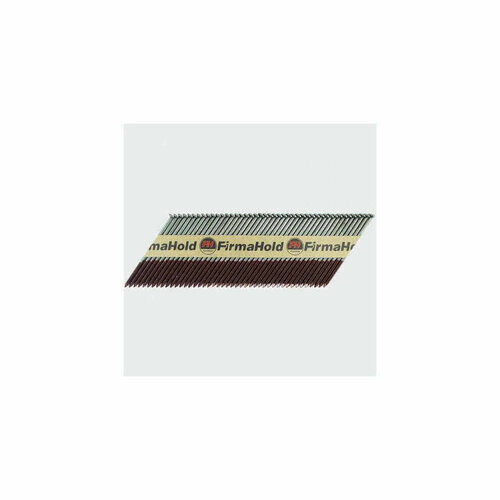
Firmahold Collated Bright Clipped Head Ring Shank Framing Nails with 3 CFC Fuel …
3300-pack 2.8mm x 50mm ring shank framing nails with 3 fuel cells, carbon steel
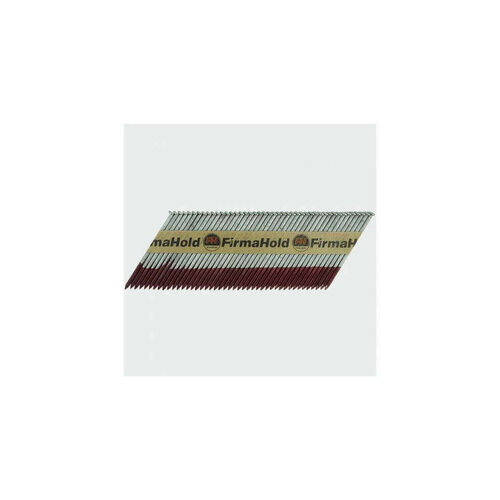
Timco Firmahold HDGV Ring Shank Nails & Gas - 2.8mm x 63mm HDGV 3300 Pack
3300 collated ring shank nails, 2.8x63mm, HDGV, with gas
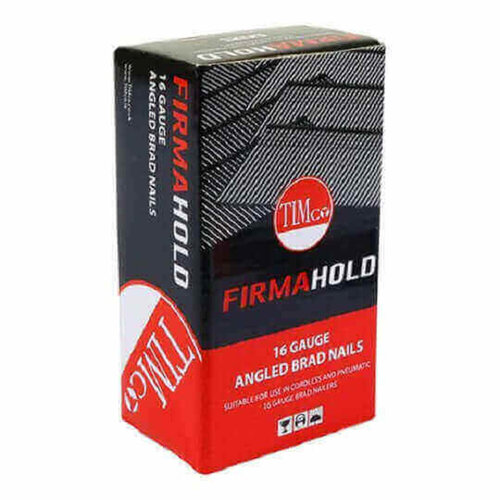
Firmahold Nails 16 Gauge Angled - 16G x 32mm
FIRMAHOLD 16G 32mm angled nails, 2000 pack, galv steel, 4mm kerf, PTFE coated, c…
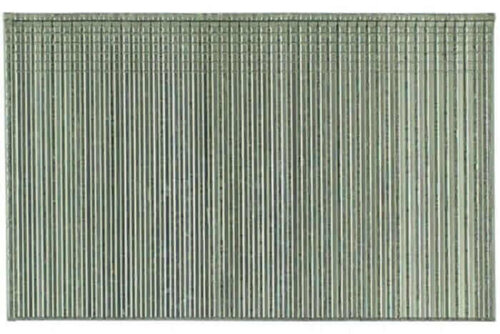
Timco Firmahold Collated Straight Brad Nails Stainless Steel with 2 x Fuel Cells…
38mm A2 stainless steel brad nails, 2000 pack with 2 gas cells
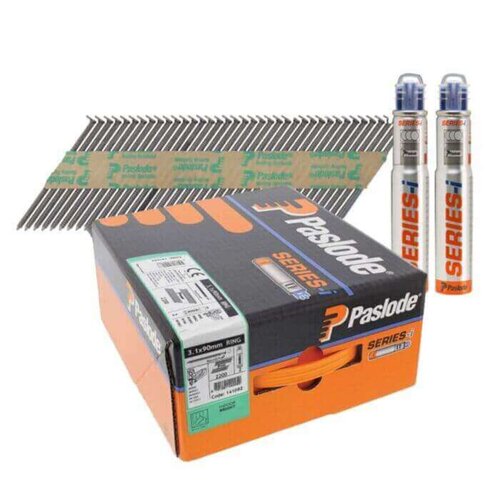
Paslode Angled Nail Pack Roundrive Ring Shank Bright - 3.1 x 90mm 2200 Pack with…
Paslode 3.1x90mm bright ring shank angled nails, 2200 pack, 2 gas cells
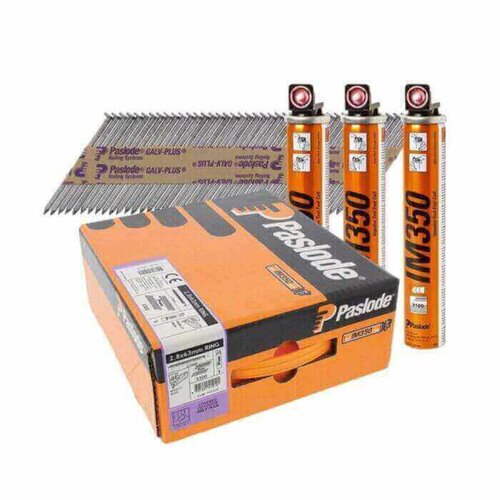
Paslode Angled Nail Pack D-Head Ring Shank Galv-Plus - 2.8 x 63mm 3300 Pack with…
Paslode angled D-head ring shank galvanised nails, 2.8x63mm, 3300 pack with 3 ga…
Firmahold Firmahold Ag Brad Galvanised - 16G x 64mm 2,000 Pack
Galvanised 16-gauge angled brads, 64mm, for cordless and pneumatic nailers, pack…
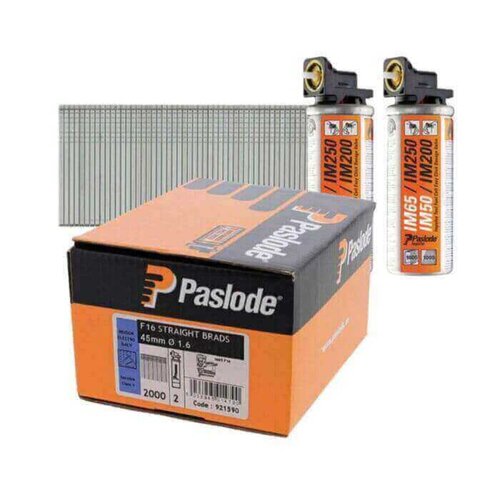
Paslode F16 Straight Brad Pack Electro Galvanized - 1.6 x 45mm 2000 Pack With 2 …
Paslode F16 electrogalvanized straight brad nails, 1.6x45mm, 2000 pack with gas …
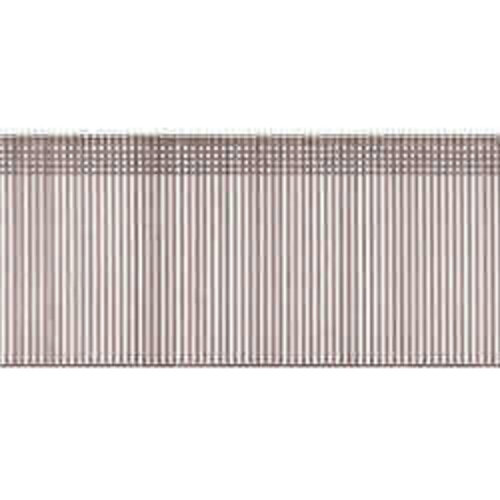
Stanley Bostitch Straight Brads 18G Galvanised - 40mm 5000 Pack
Galvanised 18G straight brads, 40mm length, 5000 pack
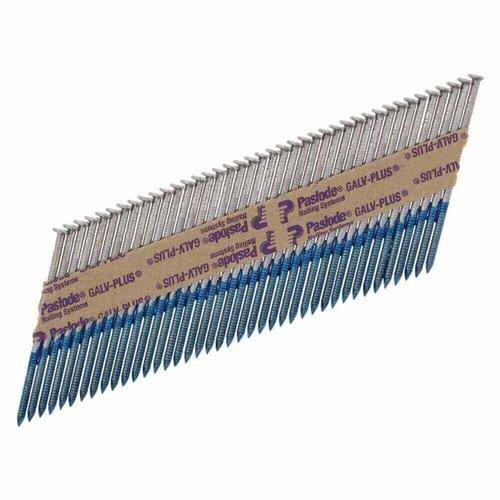
Paslode IM360CI Nails & Fuel Cells Trade Pack - Ring Shank - Galvanised + - 2.8 …
Paslode 2.8x51mm ring shank nails with 3 fuel cells, box of 3300
For the Trade
What matters first is the gun, then the job, then the feed format. Collated nails need to match the tool angle and strip type, and that is where most wrong orders start. After that, the choice narrows fast. Collated framing nails suit heavier first-fix work, while finer options are used where the finish matters more. Collated coil nails are usually picked when you want more nails on the reel and fewer reloads. The trade-off is simple. The more specific the pack, the less chance of a call-back. You also lose flexibility if you need to swap between tools.
Types of Collated Nails
Start with the feed format, because that rules out half the options. Collated framing nails are the usual pick for heavier first-fix work. Collated finish nails suit lighter second-fix jobs where you want a smaller head and less marking.
If your gun takes collated clipped head nails, you get a neater strip and usually a bit more capacity, but you give up the full round head. Collated round head nails are the better all-round choice where holding power matters more than strip size.
Collated paper strip nails are cleaner to clear up. Collated coil nails suit longer runs because you stop to reload less often. If you’re matching the rest of the Nails range, check the gun first - the wrong angle or feed type causes most of the grief.
Selection Factors for Collated Nails
Material is where you narrow collated nails down properly.
Plastic strip nails usually handle cleanly in the bag and through the gun, but they can leave more waste on site. Paper strip nails tend to break away more easily, which some trades prefer when speed matters and cleanup needs to stay light.
Coil nails suit jobs where you want fewer reloads. The trade-off is the feed style itself, so it’s worth matching that to the day’s work rather than just the nail type.
For lighter work, Panel Pins may be the neater buy. Bright Nails are the simpler choice where you do not need the collated format.
Finish the Room
Once you’ve picked the collated nails, the next call is what’s going around them. If you’re finishing a run of boards or screens, get the surrounding fixings and trims sorted before the gun comes off the van. That’s where the job slows if you’ve only bought the nails.
For lighter finishing work, collated finish nails keep the fixing discreet. Collated framing nails suit heavier timber and structural first-fix. If the spec moves into exposed areas, check the sibling ranges like bright nails or panel pins only when the fixing itself changes, not just because the job is smaller.
Related searches
Local availability for Collated Nails













