Masonry Nails
Masonry nails are the ones you pick when the fixing has to bite into brick or concrete rather than soft timber. Plain steel suits internal work, while a plated option makes more sense where corrosion resistance matters. Get the substrate right first, because brickwork and dense concrete do not behave the same.
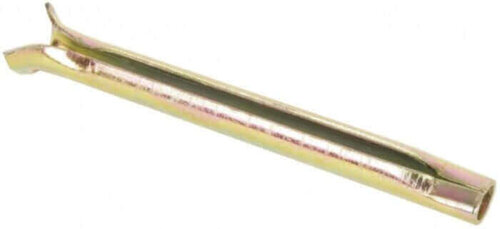
Express Nail - 8X110MM
Express nail 8x110mm for direct hammer fixing into concrete, brick, and stone.
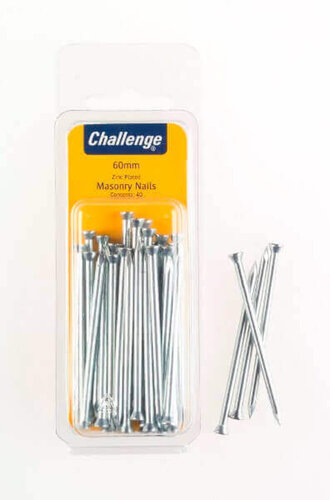
Challenge Masonry Nails - 60mm 40 Pack
60mm hardened masonry nails for brick and concrete, pack of 40
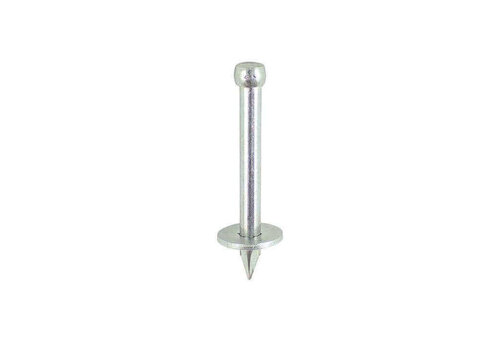
Masonry Nails Washered - 25mm Zinc 100 Pack
Zinc-plated masonry nails with washers, 25mm, pack of 100
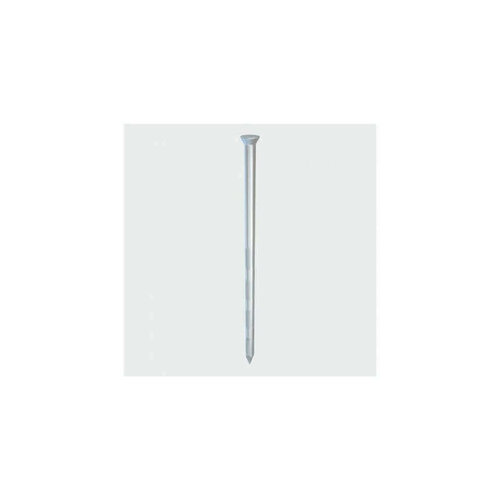
Timco Zinc Masonry Nails - 2.5mm x 25mm 100 Pack
Zinc-plated masonry nails, flat head, 2.5mm x 25mm, pack of 100
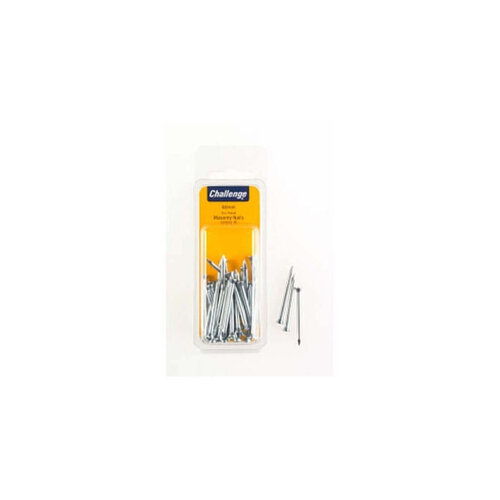
Challenge Masonry Nails - 40mm 40 Pack
Pack of 40 Challenge 40mm masonry nails
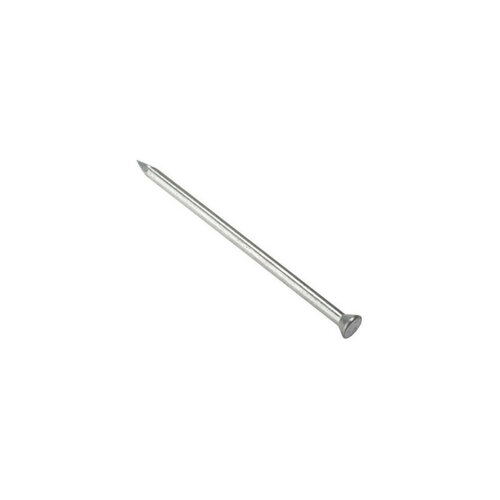
Forgefix Heavy Gauge Masonry Nails - 3.5mm x 80mm, Zinc Plated, Box of 100
3.5mm x 80mm zinc plated masonry nails, box of 100
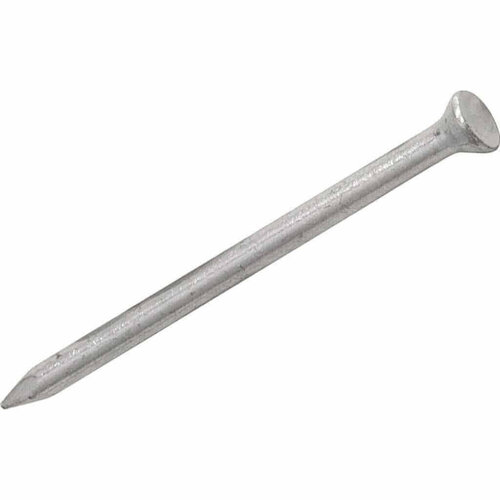
Fastpak Masonary Nails - 3.0 x 70/75mm
Masonry nails for brickwork, 3.0 x 70/75mm, pack of 10.
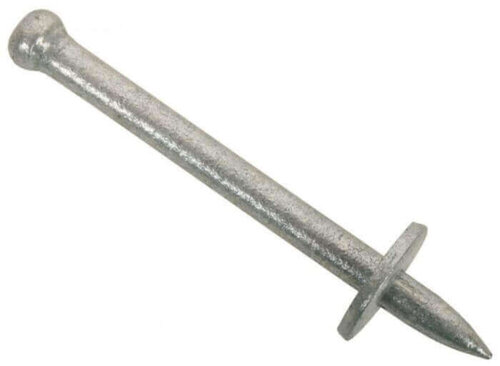
Washered Masonry Nails BZP - 42 x 3.7mm 100 Pack
Washered masonry nails BZP 3.7 x 42mm 100pk
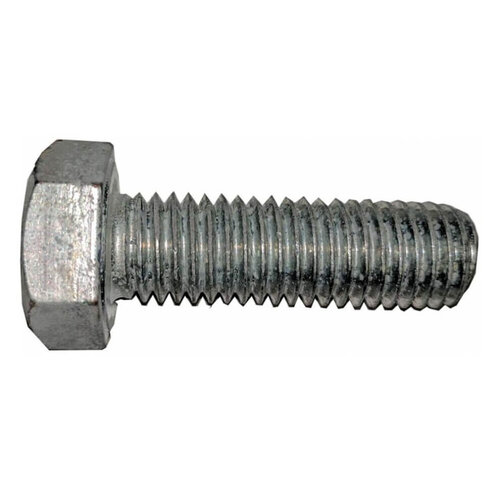
Driving Stud - 5/8"
Steel driving stud for 5/8" earth rods
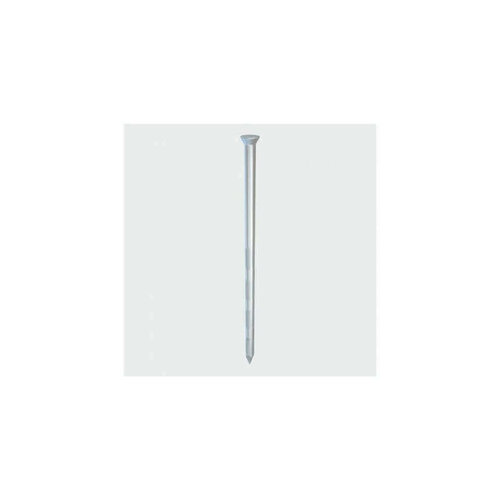
Timco Masonry Nails - 2.5mm x 30mm Zinc 100 Pack
2.5mm x 30mm zinc-plated masonry nails, flat head, 100 pack
For the Trade
What matters first is how hard the base is and how much holding you need. Masonry nails are the quick answer for light fixing into brick or concrete, not the one you’d pick where the load starts to matter. If you’re doing repetitive fixing, a trade masonry nail with a harder steel body usually makes more sense than a softer general nail. Zinc plated masonry nail options are worth a look where the job is more exposed and you want a bit more resistance to staining. The usual mistake is buying on length alone and finding the nail won’t bite cleanly. Match the nail to the substrate and the fixing depth before anything else.
Masonry Nail Options Compared
For most jobs, you’re choosing between plain masonry nails, a zinc plated masonry nail, and heavier concrete nails. Plain masonry nails suit quick, light fixing when you want to keep moving and the background is not too hard.
Zinc plated versions make sense when the fixing will stay exposed and you want a bit more resistance without moving to a different fixing. Concrete nails are the tougher option for harder backgrounds, but they are less forgiving if you are trying to keep the fixing neat in softer brick.
If you are unsure where to start, the parent Nails range lets you compare these against the other nail types before you commit.
Choosing Materials and Size
When you’re choosing masonry nails, start with the fixing you need. Light, repeated work asks for something different from a nail that needs a firmer face and more staying power.
Steel masonry nails are usually the pick for tougher daily use. They give you a harder, more durable finish. The trade-off is simple: they are heavier to carry on site than softer options.
A steel masonry nail follows the same logic. Use it when you want that firmer feel and more durable handling. If the job is more about neat, lighter fixing, Panel Pins may be the next look. For a more general fixing option, Bright Nails are the other counter point.
Completing the Setup
Once you’ve settled the fixing, the next call is what else sits around it. If you’re finishing a wall or lining the same area, you may need panels or a screen that works with the fixing pattern. That matters when access is tight.
Storage and adjacent finishes come next if the job is part of a larger fit-out. You do not want to be back for small items after the masonry nails are already on site. Keep the rest of the spec in step with the fixing, or one part of the job will move and the other will hold you up.
Related searches
Local availability for Masonry Nails












