Panel Pins
Panel pins are the small fixing you reach for when the finish matters more than holding power. Brass panel pins are the usual pick where staining is a concern. Steel or galvanised panel pins make more sense if the job may see a bit of moisture. Lost head versions hide better, and small panel pins help reduce splitting in finer timber.
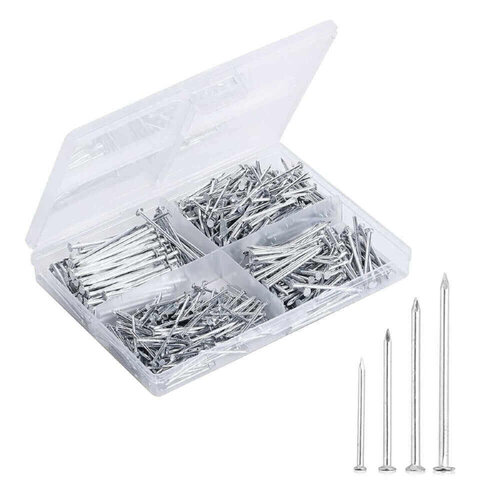
Nails & Pins Value Assorted - 600 Pack
600-piece assorted nails and pins in size-separated kit
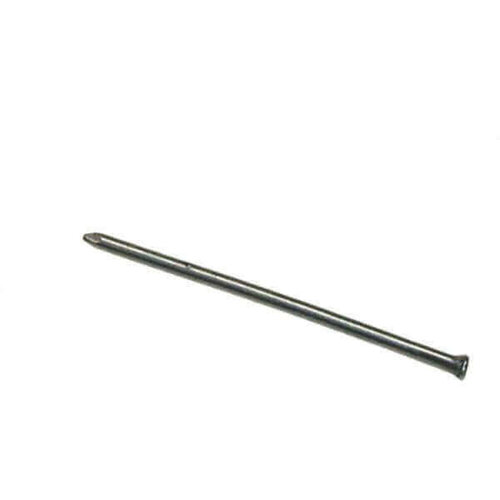
OJ VENEER PIN (50GM) - 20mm
20mm veneer pin supplied in a 50g pack
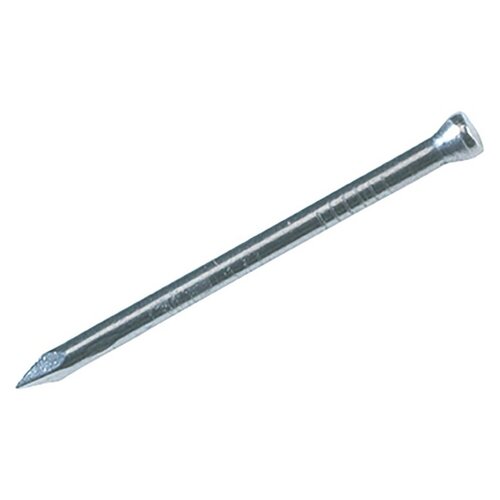
Unifix Panel Pins - 2 x 50mm 500g Pack
Carbon steel panel pins, 2 x 50 millimetres, 500g pack
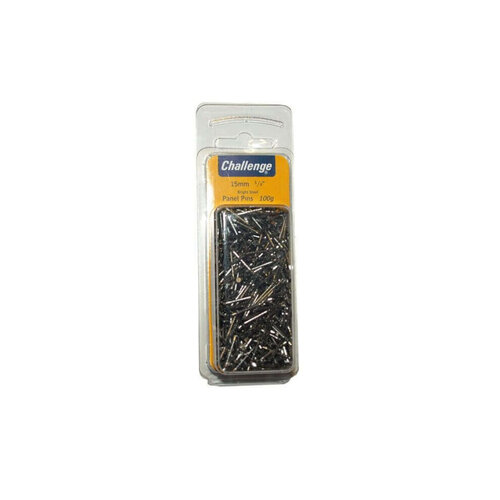
Challenge Panel Pins - 20mm Brass
Solid brass panel pins for lightweight fixing, beading and moulding
For the Trade
You’re usually choosing panel pins on three things: how neat the finish needs to be, how much bite you need, and what the timber will do after fixing. Brass panel pins suit visible joinery where staining is a concern. Galvanised panel pins are the better call if there’s any chance of damp or a bit of movement. Small panel pins are worth using where splitting is the risk, but you give up some holding power. If the job is about a clean face and light timber, that is where panel pins earn their keep.
Panel Pin Options Compared
Panel pin nails, panel pin packs and trade panel pins cover most jobs. Packs suit smaller runs or when you want a few extras in the van. Trade panel pins make more sense when you are using a lot of trim and do not want to keep reordering.
Bright panel pins are the usual pick for dry internal work where finish matters and corrosion is not the issue. If the fixing may see moisture, galvanised panel pins are the safer call, though you give up some of that clean, bright look. Lost head panel pins suit jobs where you want the head to disappear as much as possible. Compared with the rest of the Nails range, this is where appearance and concealment matter more than brute holding power.
Choosing Materials and Size
Material is the first call. Brass panel pins suit work that stays visible, where you want the fixing to blend in rather than stand out. Steel panel pins usually give a firmer face for tougher day-to-day use, but they are heavier to carry on site.
Size matters just as much. Small panel pins suit thin timber or anything prone to splitting. Go too small and you lose bite.
If you are ordering alongside other fixings, Bright Nails cover the more general dry-work jobs. Collated Nails make more sense when speed and volume matter more than a neat hand-driven finish.
Completing the Setup
Once you’ve picked the panel pins, the next call is what else is going into the same run. If you’re finishing timber panels or screens, the surrounding fixings and trims need to suit the job, not just the finish. A neat face can still be let down by the wrong accessory or a fixing that stands proud.
For visible joinery, you’ll often move to bright nails for the same dry internal work. Collated nails come in when speed and volume matter more than hand-fixing. One-off finishing work sits on one side. Heavier runs, where you want to keep moving, sit on the other.
Related searches
Local availability for Panel Pins










