Roofing Nails
Roofing nails are usually chosen on fixing spec first, then on the head and shank that suit the sheet or felt you’re working with. Copper roofing nails and stainless steel roofing nails come in when corrosion resistance matters, while clout roofing nails give you a wider head and a more forgiving hold. Smooth shank roofing nails drive more easily, while annular ring shank roofing nails grip harder when pull-out is the concern.
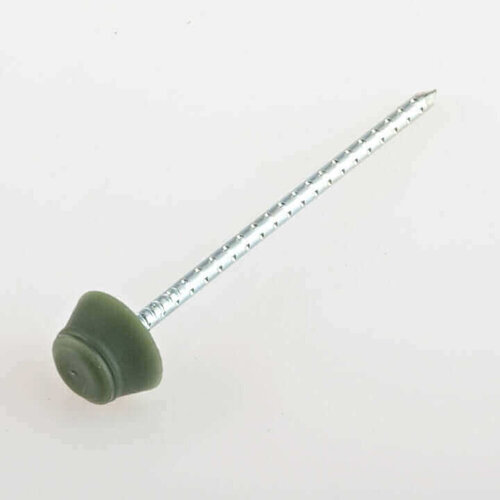
Bitumen Roof Sheet Drive Nails - 50 Pack Green
Pack of 50 green drive nails for bitumen roof sheets
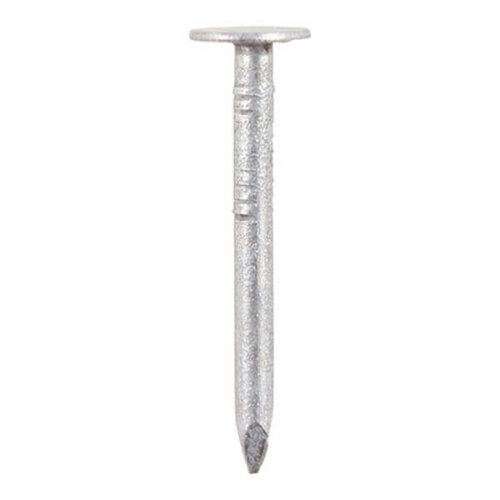
Timco Clout Nails - 50mm x 3.35mm 2.5kg Galvanised
50 millimetres x 3.35 millimetres galvanised clout nails (2.5kg) for roofing fel…
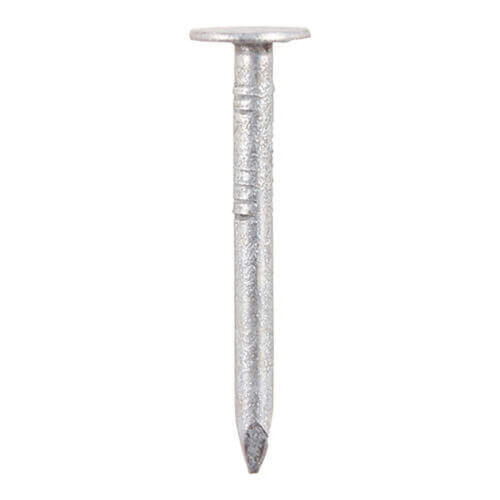
Timco - Clout Nails - Galvanised - 65 x 2.65mm 1kg
Galvanised clout nail for roofing felt – 65 x 2.65mm, 1kg pack
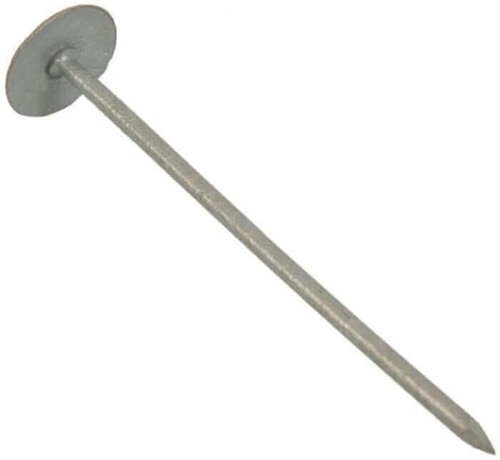
Insulation Slab Nails Galvanised - 150 x 3.75mm 10kg
Galvanised slab nails for securing flat roof insulation panels
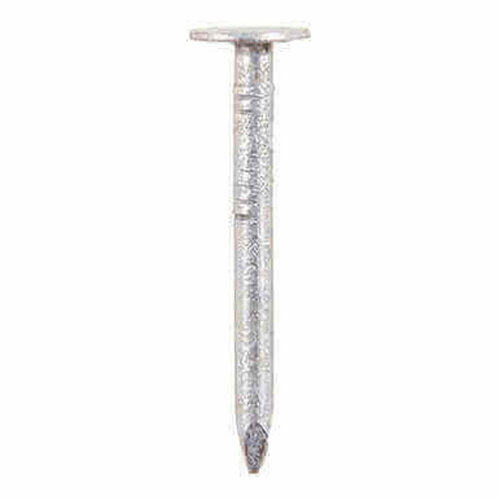
Timco Clout Nail - 40 x 2.65mm Galvanised 2.5kg
40 x 2.65mm galvanised clout nail, 2.5kg pack
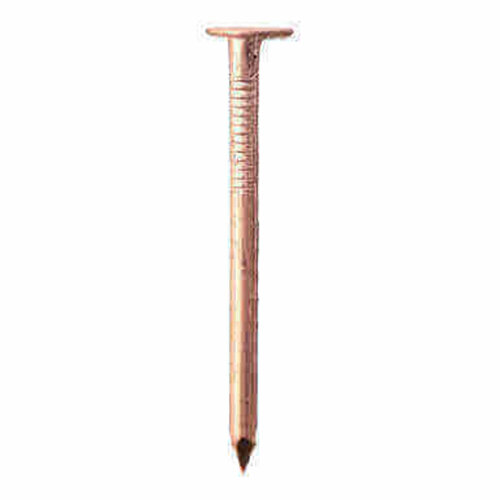
Copper Clout Nails - 38 x 2.65mm 1.0kg
Copper clout nails, 38mm, pack of 500, rust-resistant
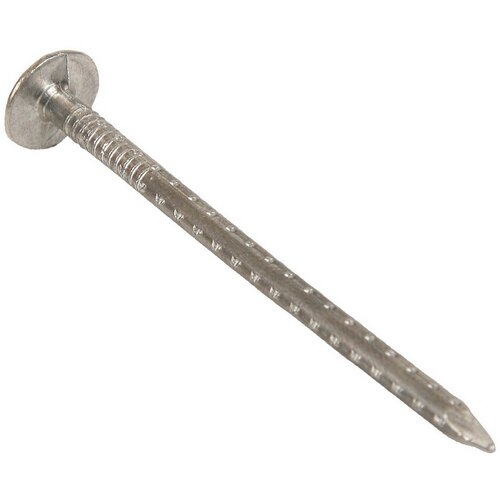
Sitefix Aluminium Clout Nails - 45mm x 3.35mm 1kg bag
Sitefix aluminium clout nails, 45mm x 3.35mm, 1kg bag
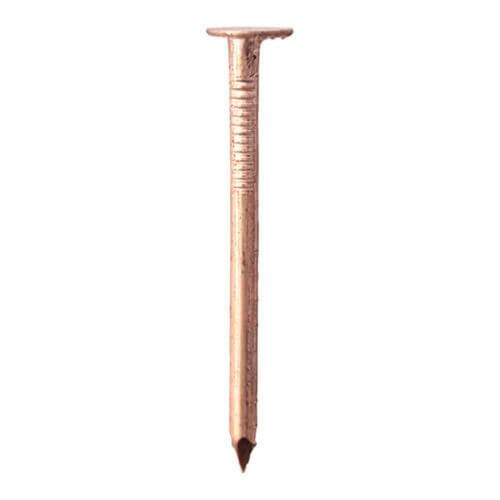
Timco - Clout Nails - Copper - 30 x 2.65mm 1kg
Copper clout nails, 30 x 2.65mm, 1kg pack
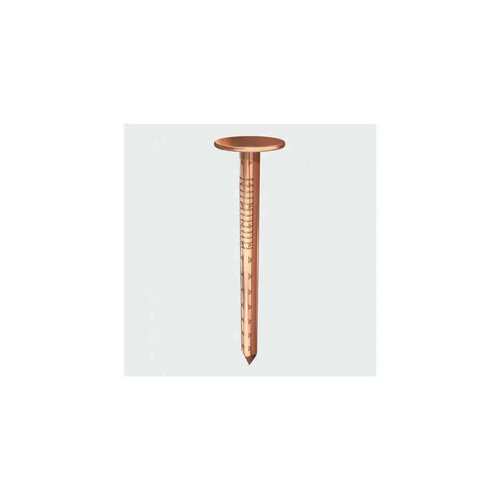
Timco Copper Clout Nails - 2.65mm x 30mm 500g (Approx 310 nails)
Copper clout nails 2.65mm x 30mm, 500g pack
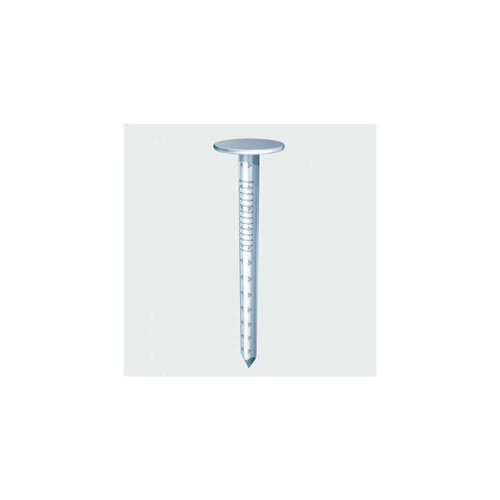
Timco Aluminium Clout Nails - 2.65mm x 30mm 250g
Aluminium clout nails, 30mm length, 2.65mm diameter, 250g pack
For the Trade
Start with what’s fixing the sheet or felt, then decide how much hold you need and how exposed the job is. Roofing nails with a larger head are the usual call where you want the material held without tearing. Clout roofing nails suit lighter fixing where you are not asking for much bite. If the roof is exposed or the spec is tight on corrosion, copper roofing nails or stainless steel roofing nails are the pricier options. You are paying for that resistance. Smooth shank roofing nails go in easier. Annular ring shank roofing nails give more grip, though they are less forgiving if you need to pull and reset.
Roofing Nail Types and Layouts
Start with the fixing style and the grip you need. Roofing felt nails suit felt work when you want a neat, light fixing. Clout roofing nails give you a broader head and a firmer hold without going heavy.
Smooth shank roofing nails go in easily, so they suit straightforward fixing. Annular ring shank roofing nails are the better pick when pull-out is a concern.
Roofing nail packs and trade roofing nails make sense on bigger runs, where the pack format saves time at the counter. If you need the wider range first, start from Nails and work back from there.
What to Check Before You Buy
Stainless steel roofing nails are the pick when you want a firmer face and better day-to-day durability. The trade-off is weight, so they take a bit more handling on site.
Copper roofing nails suit jobs where the fixing needs to sit with the roof covering and hold up over the long haul. After that, check head size and shank. A bigger head gives more bearing. A smaller head keeps the fixing neater where you do not want it standing proud.
For lighter trim work, Panel Pins may be the nearer fit. For general-purpose fixing, Bright Nails sit closer to the everyday end of the job.
Useful Alongside Roofing Nails
Once you’ve picked the roofing nails, the next call is what else is happening around the roof edge and underlay. If you’re fixing felt, trims or lighter detailing, matching felt nails are the cleaner choice. A general fixing can split the material or leave a poor head finish.
On more exposed work, copper roofing nails or stainless steel roofing nails make sense because the fixing is part of the weathering, not just the hold. Keep the fixing line separate for finer internal detailing. Panel pins are the wrong job there, and they belong nowhere near the van load for this work.
Related searches
Local availability for Roofing Nails











