Staples & Tacks
Staples and tacks come down to what you’re fixing, how neat the finish needs to be, and how much holding power the job needs. Fine wire staples and small tacks suit lighter work where you want a discreet fixing. Heavy duty staples or u staples are the better call when the material is thicker or pull-out is a concern. Steel finish matters too. Galvanised or stainless options suit work where moisture or exposure is part of the job, while plain bright stock is usually the economical choice for dry internal work.
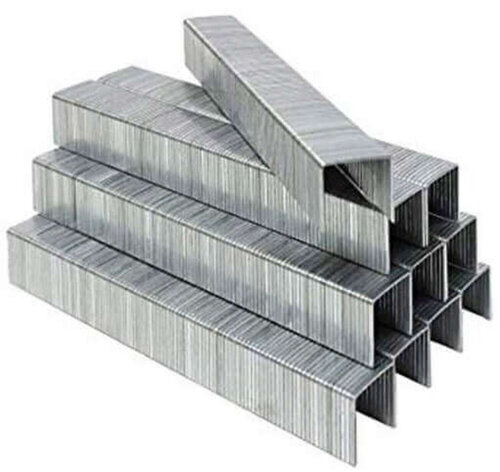
Tolsen Staples - 8mm x 1.2mm 1000 Pack
Tolsen staples 8mm x 1.2mm, 1000 pack
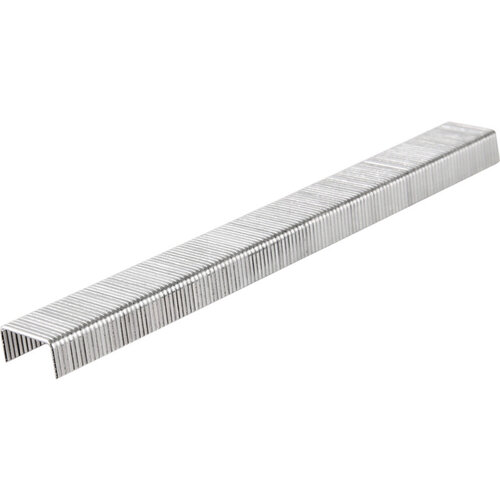
Tacwise 53 Series Staples - 14mm 2000 Pack
14mm galvanised staples for fabric and light repair (2000 pack)
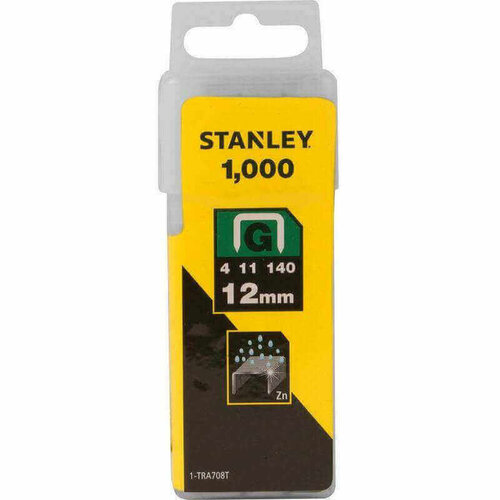
Stanley Heavy Duty Staples - 6mm 1000 Pack
Stanley 6mm heavy-duty staples, 1000 pack, for staplers and hammer tackers
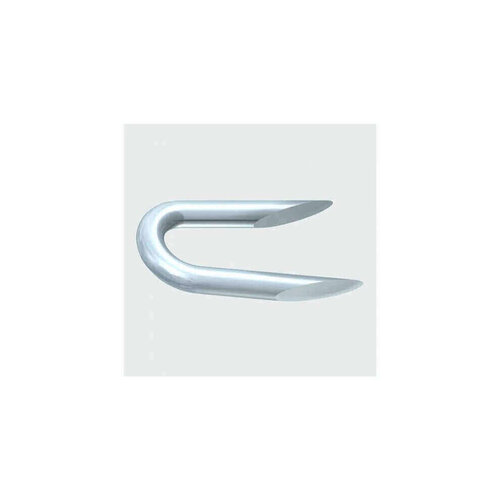
Timco Presser Point Staple - 2.65mm x 25mm 500g Galvanised
Galvanised presser point staples, 2.65 x 25mm, 500g pack
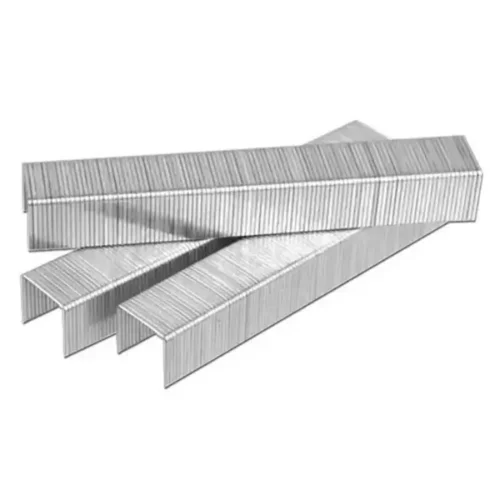
Ingco Staples - 8mm
Ingco 8mm staples
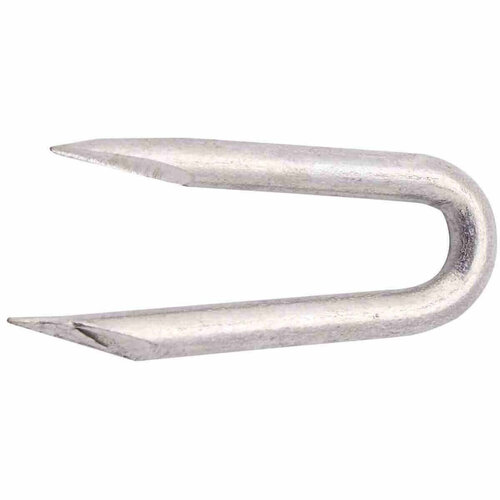
Bonus Bag Netting Staples - 40mm 110g
40mm netting staples, 110g bonus bag
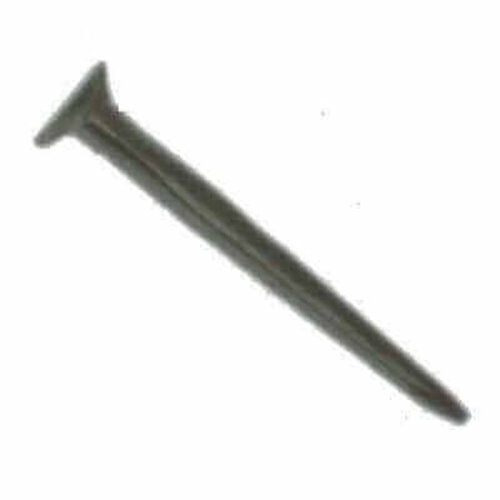
Fastpak Carpet Tacks - 25mm
25mm carpet tacks for securing carpets.
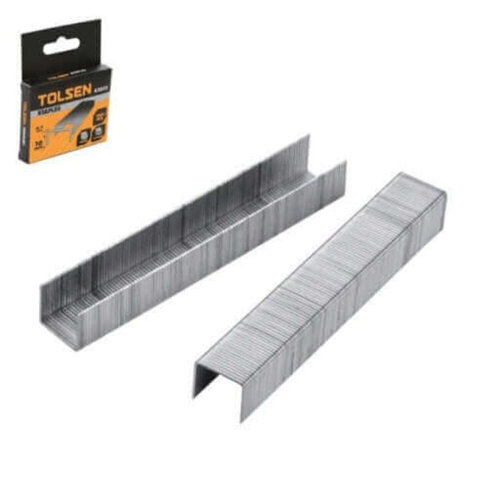
Tolsen Staples - 10mm x 0.7mm 1000 Pack
1000 staples, 10mm x 0.7mm, in a colour box
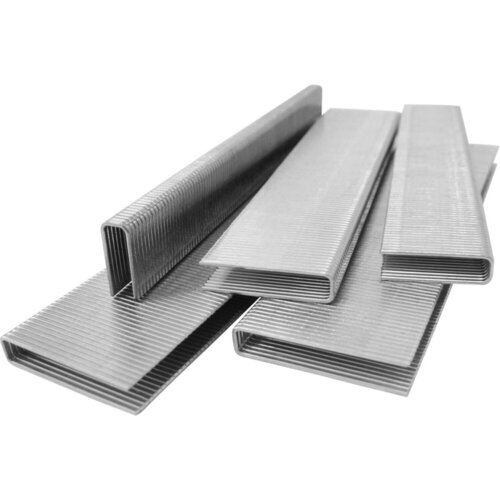
Tacwise Type 91 Divergent Point Narrow Crown Staples - 22mm 1000 Pack
22mm narrow crown divergent point staples, pack of 1000
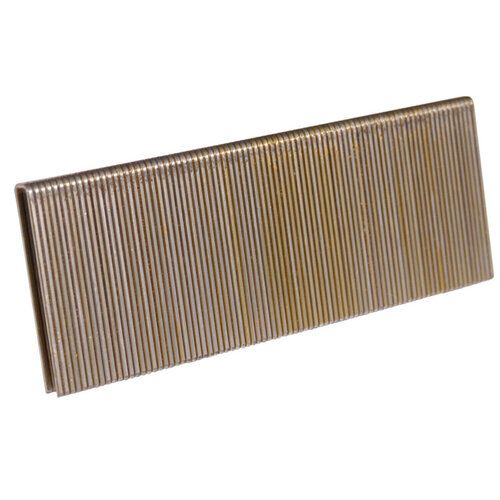
Tacwise 90 Series Staples - 40mm 5000 Pack
Galvanised 40mm staples, 5000 pack for Rexon MN9018A
For the Trade
What usually decides staples and tacks is the fixing load, the face you’re going into, and how neat the finish needs to be. For lighter material, smaller staples or tacks keep the job tidy. Once the material gets thicker or the pull is higher, you move up to heavy duty staples or u staples because lighter fixings won’t hold. Finish matters too, but only where corrosion is a real issue. The call-back jobs are usually the ones where the fixing was picked for speed rather than the material in front of it.
Staples & Tack Options Compared
If you’re choosing between staples and tacks, start with how much hold you need and how visible the fixing can be. Staples give you a wider bite and a quicker grip across the material. Tacks suit smaller fixing points when you want less to show.
Heavy duty staples come into play when the load is higher or the material is tougher. They give you more bite, but you lose some finesse. That trade-off matters where the finish is the priority. If you’re working through the wider Nails range, that’s usually the split between a tidy job and a call-back.
Choosing Materials and Size
Material usually settles it.
Stainless steel staples and stainless steel tacks suit tougher daily use when you want a firmer enamelled face. The trade-off is weight. They’re heavier to move than acrylic on site, so they’re less handy if you’re shifting a lot of stock.
Galvanised staples or galvanised tacks are the more ordinary choice when you want decent corrosion resistance without paying for stainless. If the job moves into a different fixing, Bright Nails are the better fit. For finer work, Panel Pins usually make more sense than trying to make staples and tacks do a neat-finish job.
Completing the Setup
Once you’ve picked the right staples and tacks, the next call is what they’re going into. Panels, screens and storage fronts usually need a neat, low-profile fixing. Wall finishes and trims need something that won’t show through or split the surface.
That’s where the surrounding spec matters more than the fixing itself. A job can look right on paper and still change once you see the face material, edge detail or access. In practice, it comes down to what needs to stay visible and what can be hidden.
Related searches
Local availability for Staples & Tacks












