Upvc Nails
Upvc nails are the pick when the fixing needs to sit neatly against coloured trim and you do not want bare metal showing later. White or brown heads usually come down to the finish you are matching, while plastic coated nails suit jobs where appearance matters more than speed. If the job is exposed or staining is a concern, stainless steel upvc nails are the better call, even though they cost more than standard plastic nails.
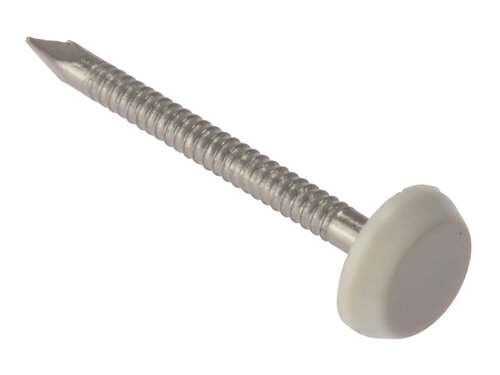
Cladding Pins & Nails - 3.35mm x 40mm A4 Stainless White Plastic Head Box of 100
A4 stainless cladding pins 40mm with white plastic heads, box 100
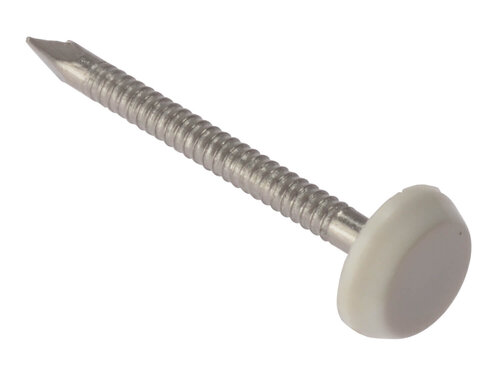
Cladding Pins & Nails - 3.35mm x 40mm A4 Stainless White Plastic Head Box of 100
A4 stainless cladding pins 40mm with white plastic heads, box 100
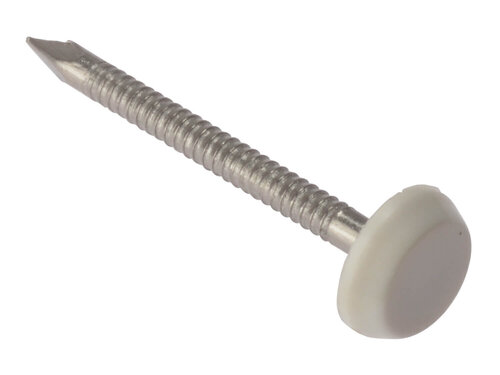
Cladding Pins & Nails A4 Stainless White Plastic Head - 3.35mm x 65mm Box of 100
A4 stainless cladding nails, white plastic head, 3.35 x 65 mm, 100 pack
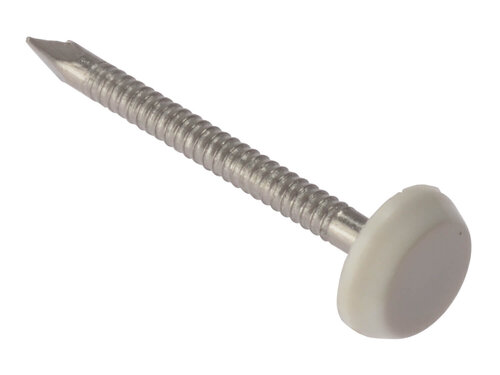
Cladding Pins & Nails A4 Stainless White Plastic Head - 3.35mm x 65mm Box of 100
A4 stainless cladding nails, white plastic head, 3.35 x 65 mm, 100 pack
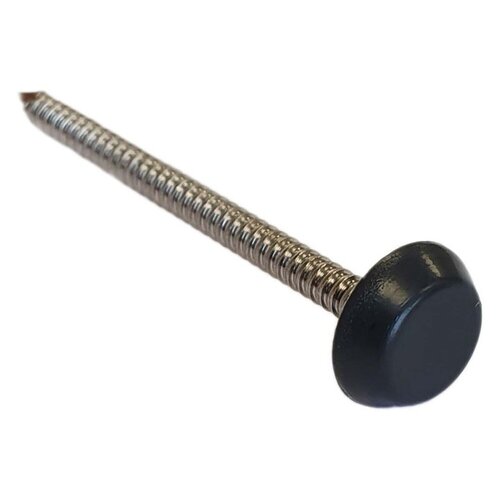
Seac Polytop Pins - 30mm Anthracite 25 Pack
30mm anthracite polytop pins for uPVC fascia, soffits and cladding
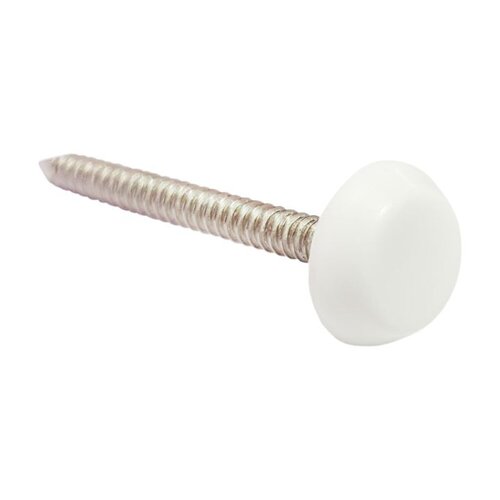
Polytop Pins - 40mm Stainless Steel White 250 Pack
40 millimetres white stainless steel Polytop Pins, 250 pack
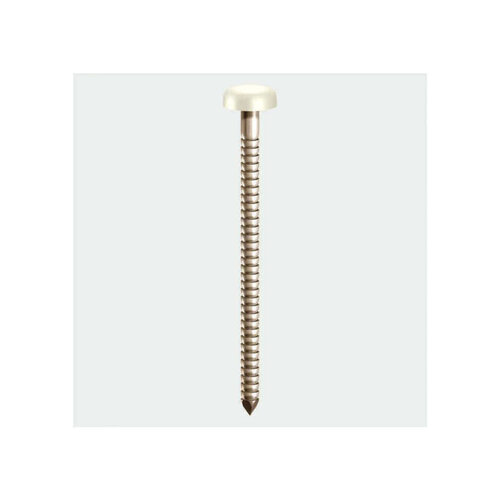
Timco Polymer Headed Pin - 25mm White 250 Pack
White polymer-headed pins, A4 stainless steel, 25 mm, pack of 250
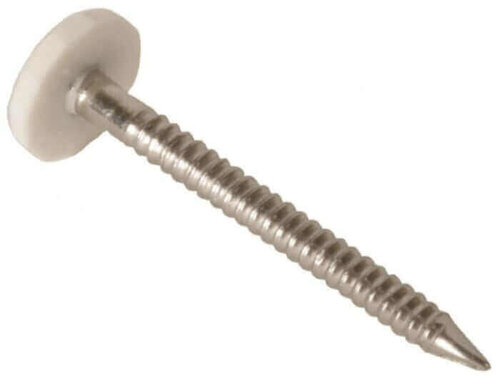
Fascia Nails Plastic Head - White 50mm 100 Pack
White 50mm fascia nails with plastic head, pack of 100, for uPVC profiles.
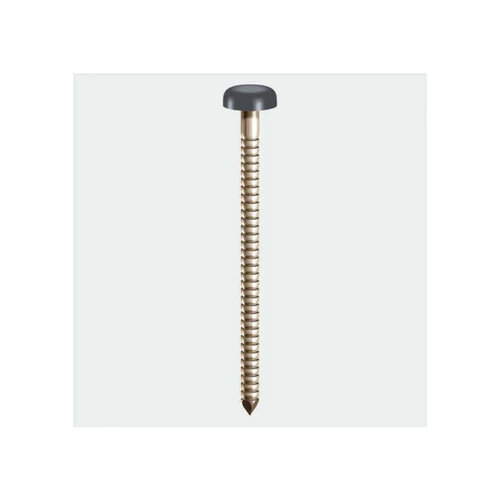
Timco Polymer Headed Nail - 40mm White 100 Pack
White polymer headed nails, 40mm, A4 stainless steel, pack of approx 100
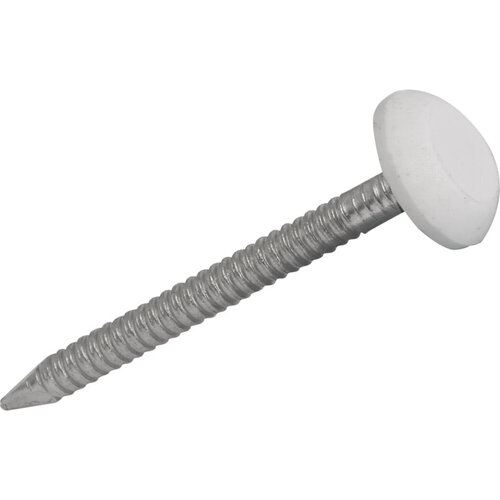
Plastic Top Nail - 10G x 50mm 100 Pack
Plastic top nail 10G x 50mm, pack of 100 for fascia and soffit fixing
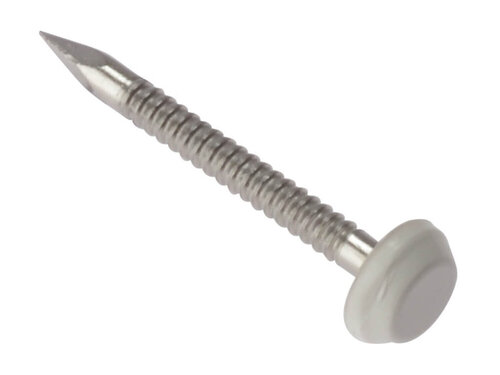
Cladding Pins & Nails A4 Stainless White Plastic Head - 2mm x 30mm Box of 250
A4 stainless steel cladding pins with white plastic head, 2mm x 30mm, box of 250
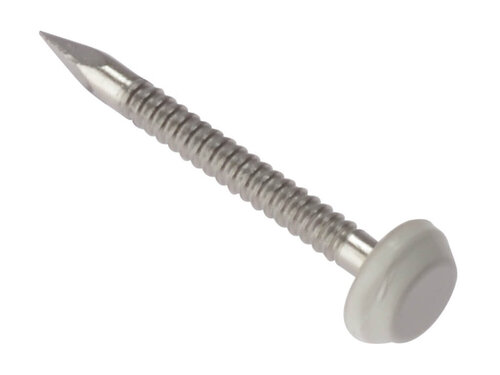
Cladding Pins & Nails A4 Stainless White Plastic Head - 2mm x 30mm Box of 250
A4 stainless steel cladding pins with white plastic head, 2mm x 30mm, box of 250
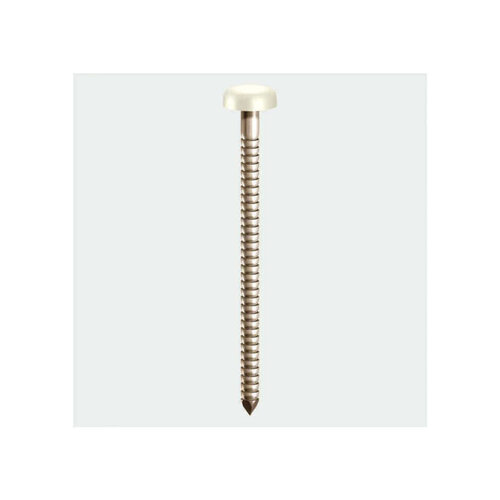
Timco Polymer Headed Pin - 30mm White 250 Pack
30mm white polymer headed nail, A4 stainless steel, 250 pack
For the Trade
What usually decides upvc nails is the finish you need to leave behind and how exposed the fixing will be. For a neat match on trim, plastic coated nails are the usual pick. White upvc nails or brown upvc nails come down to the colour you need to blend into. If the job sits in a wetter or more staining-prone spot, stainless steel upvc nails are the safer call. You are not relying on the coating alone. A lot of call-backs start with the wrong head colour or the wrong metal, not the fixing itself.
Upvc Nail Types and Layouts
When you’re choosing upvc nails, start with the finish you need. Plastic nails and plastic coated nails are the usual pick for visible trim work because they keep the head less obvious.
White upvc nails and brown upvc nails are for colour matching. Get the shade wrong and it stands out straight away.
Stainless steel upvc nails come into play where exposure or staining matters more. If you’re comparing them with the rest of the Nails range, finish and exposure are usually what decide it.
What to Check Before You Buy
Finish comes first, then exposure. For neat visible trim, upvc nails and plastic nails are usually the pick because the head sits less harshly against the face. Plastic coated nails give you a similar look, with a little more forgiveness when you are handling them.
White upvc nails suit pale trim. Brown upvc nails sit better on darker sections. Stainless steel upvc nails are the one to use where staining or weathering is a concern, but you will pay more for them. If you just need a clean, unobtrusive fixing, Panel Pins may be the better call. For a more general bright finish, Bright Nails are the usual alternative.
Useful Alongside Upvc Nails
Once the fixing is chosen, the next call is usually what else is going on around it - panels, screens, storage fronts or the final wall finish.
That is where the surrounding products matter more than the nail itself. A neat trim job can still look wrong if the panel line or accessory finish is off. If the job sits inside a larger fit-out, keep the visible fixings and the adjacent finish in step with the rest of the scheme. That is the bit that gets noticed once the rest of the work is already done.
Related searches
Local availability for Upvc Nails





