Nails
The main choice with nails is head size and finish. Small or lost head options sit cleaner where you want a neater face. Larger heads give you more hold and are less likely to pull through softer material. Bright nails suit dry internal work where cost matters. If the job is exposed or the timber is prone to movement, move up to a more suitable finish rather than risk callbacks.
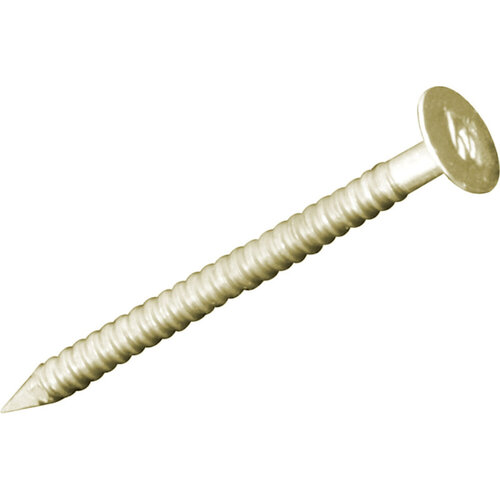
Plasterboard Nail Pack - 40mm 2.5kg
Forgefix plasterboard nails, 40mm, zinc yellow passivated, 2.5kg pack.
Challenge Bright Steel Panel Pins - 40mm 100g
Bright steel panel pins, 40mm length, 100g pack.
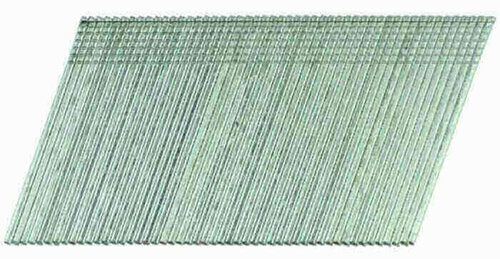
Timco Firmahold Collated Angled Brad Nails Galvanised with 2 X Fuel Cells - 16X3…
38mm galvanised collated brad nails for 16-gauge nailers, 2000 pack with 2 fuel …
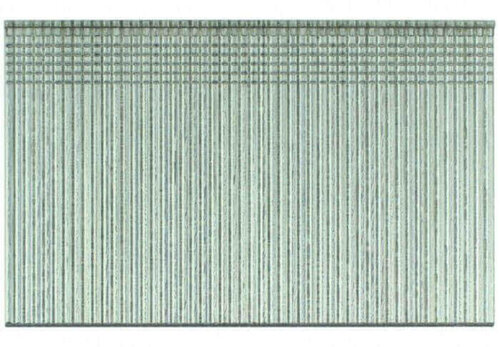
Timco Firmahold Collated Straight Brad Nails Galvanised with 2 x Fuel Cells - 16…
50mm galvanised brad nails, 2000 pack with 2 gas cells, for cordless & pneumatic…
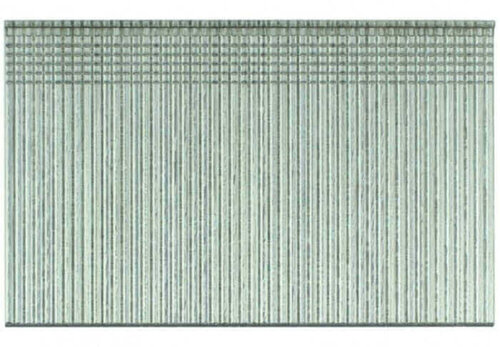
Timco Firmahold Collated Straight Brad Nails Galvanised with 2 x Fuel Cells - 16…
Galvanised straight brad nails 19mm with 2 fuel cells, pack of 2000
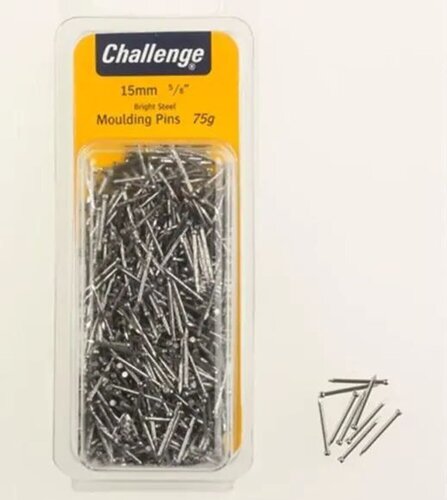
Challenge Moulding Pins - 75g 15mm
75 gramme pack of 15 millimetre silver moulding pins for trim and beading.
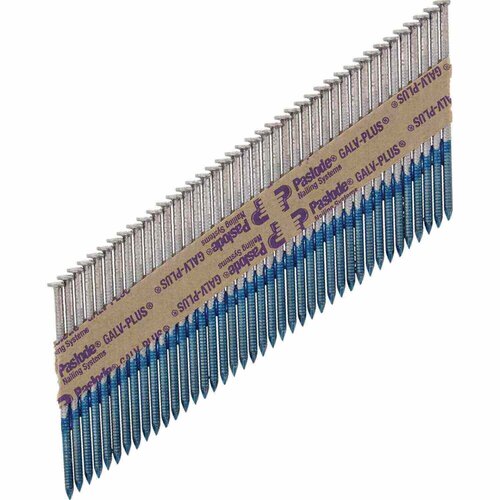
Paslode IM360CI Galvanised+ Ring Shank Collated Nails and Gas - 75mm 2200 Pack
75mm galvanised ring shank collated nails for IM360CI nailer, pack of 2200
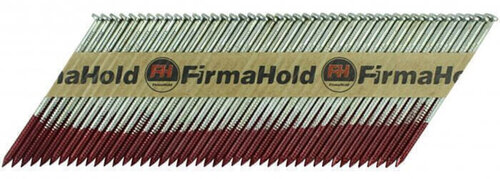
Timco Firmahold Collated Ring Shank Nails Galvanised with 2 x Fuel Cells - 3.1 x…
Galvanised 3.1 x 75 millimetre ring shank nails, 2200 pack
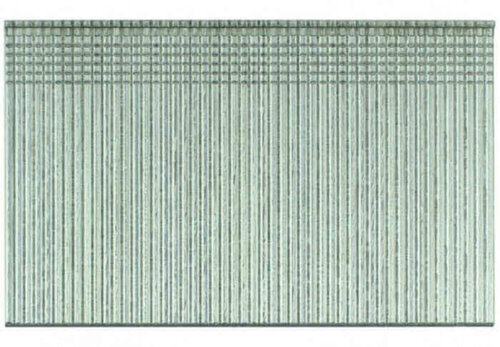
Timco Firmahold Collated Straight Brad Nails Galvanised - 18 x 16mm 5000 Pack
Galvanised 18 gauge brad nails, 16mm, 5000 pack for second fix nailers
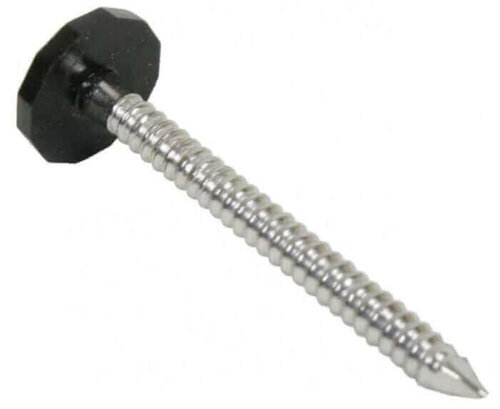
Fascia Nails Plastic Head - Black 40mm 100 Pack
Self-masking uPVC fascia nails, black, 40mm, 100 pack
For the Trade
Start with the space you’ve got and how the nails will be used, then narrow the head style from there. In tight trim work, a smaller head or lost head usually leaves less to deal with at the face, while a larger head gives you more bearing where pull-through is the concern. Finish comes after that, not before it. Dry internal work can usually stay on the cheaper side. Once the fixing is taking weather or damp, you need to be more careful about what you put in. That is the sort of call that saves a return visit.
Bright Nails
Bright Nails are the one you pick for a clean internal finish when you do not want the head standing proud or needing extra dressing afterwards. They suit trim and light joinery where the finish matters more than brute holding power. Larger head nails make more sense if pull-through is the concern.
The trade-off is simple. You get a neater face, but less bearing area. If the job is more exposed or you want a bit more forgiveness, move up to Bright Nails only when the spec really calls for that finer finish.
Collated Nails
Collated Nails suit jobs where speed matters more than hand-driving every fixing. They work with nail guns because the strips stay together, so you are not loading one at a time or slowing down on repetitive runs.
That makes them the better call on larger fixing jobs. Loose fixings still make more sense for small patch work or awkward detail work. You do need the right tool and the right strip format, so they are not the answer for every job. If you are comparing them with standard fixings, start with the fixing method first, then move to Collated Nails when the programme is tight and the volume justifies it.
Galvanised Nails
Galvanised nails are the ones you reach for when the fixing is going outside or into damp conditions and you want the coating to help with longevity. The trade-off is simple. You pay for corrosion resistance, not the neatest internal finish, so they are not the first pick for trim where appearance matters.
The usual mistake is using bright nails where the environment will work against them. If the job needs a tougher finish against weather, Galvanised Nails are the buy. For dry internal work, a different nail finish usually makes more sense.
Masonry Nails
Masonry nails are the ones you reach for when the fixing has to go into harder backgrounds. Start with the substrate and the bite you need. They are not a general-purpose nail, and they do not do the same job as bright or galvanised nails.
The main issue is whether the material will take the nail cleanly or break it up and leave a loose fixing. On harder masonry, they make sense. If the job is more about finish or speed, another type is usually the better shout.
Panel Pins
Panel pins are the fixing you reach for when it needs to disappear rather than stand proud. They suit light trim, beading and other fine work where a bigger head would need more filling or leave a mark you do not want.
You give up some holding area compared with larger head nails, so they are not the answer where the timber is under real pull or the joint is doing the heavy lifting. If you want a cleaner face and less tidying after, panel pins usually make more sense than moving up a size.
Roofing Nails
Roofing nails come down to two things: how well they hold the sheet or tile, and how much weathering the fixing will see. On a roof job, you usually want the head to spread the load without splitting the material. Once it’s exposed, the finish has to stand up to the weather.
That is why roofing nails are chosen ahead of general nails when the fixing stays outside. If the job is dry and hidden, another nail type may be fine. Once it sits on the weather side, corrosion resistance and head size matter more than a neat face.
What to Check Before You Buy
Head size is usually the first call. Small head nails or lost head nails suit work where you want less to show, but you give up some bearing, so they are not the best choice where pull-through is a risk.
Large head nails make more sense when you need a firmer hold or a wider face on softer material, though they will be more obvious. For fine trim, a neater head usually gives the cleaner finish, with a lighter hold as the trade-off.
If the job needs something outside the nail itself, move over to Fixings & Fasteners. If it needs clamping rather than driving, Nuts, Bolts & Washers is the one to look at.
Useful Alongside Nails
Once you’ve picked the nails, the next call is what finishes the surrounding work and what has to sit flush with it. If you’re on trim, screens or fitted panels, keep an eye on the face you’re leaving behind. A fixing that shows too much will stand out straight away.
For heavier assemblies, you’re usually into fixings and fasteners rather than more nails, because the load and pull-through risk change the job. Where the next stage is joinery or storage, the fixing choice follows the material and access, not habit.
Related searches
Local availability for Nails
















