Nuts
Pick nuts by thread size, locking method and finish, not just the name on the box. Hex nuts are the usual choice for a straightforward fixing, while lock nuts suit jobs that see vibration and wing nuts work when hand-tightening matters more than torque. Stainless steel nuts are worth the extra spend where corrosion matters. Standard plated nuts are usually fine indoors and on dry work.
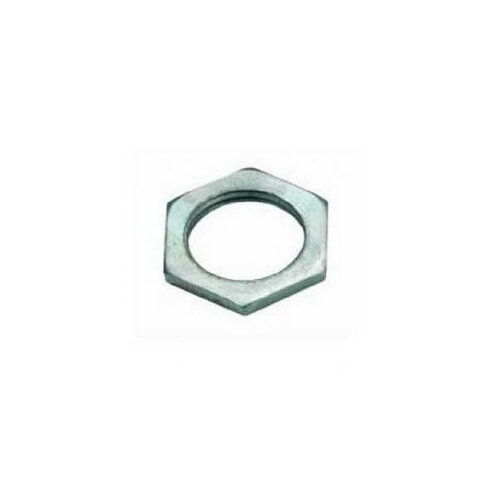
Lock Nuts Galvanized - 20mm
20mm galvanised steel lock nuts for vibration resistance.
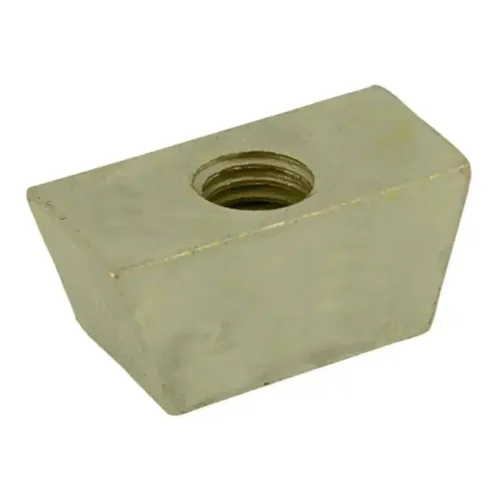
Walraven Britclip Wedge Nut - M10 12.5mm x 13mm x 25mm
Zinc-plated steel wedge nut for composite flooring, M10, 12.5x13x25mm
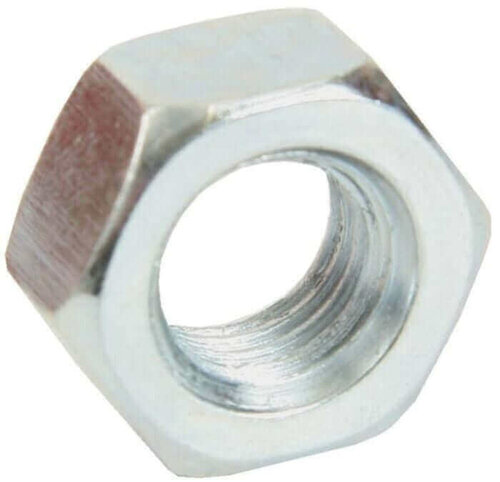
Hex Full Nut Steel BZP - M20
M20 grade 8.8 steel full nut, bright zinc plated, DIN 934
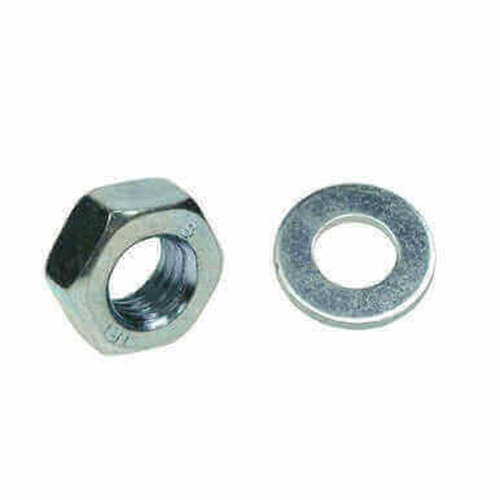
Hex Nut and Washer BZP UB4063 - M12 8 Pack
M12 hex nut and washer set, BZP, pack of 8
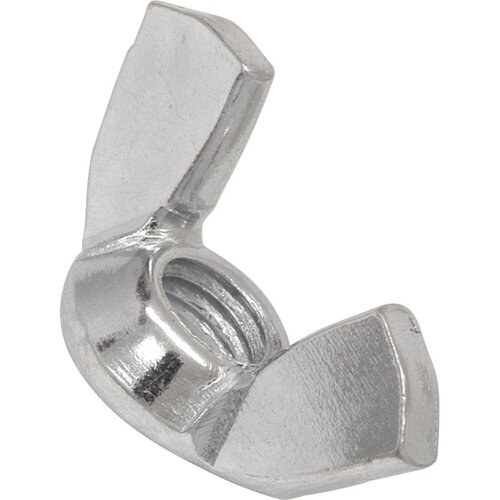
Wing Nut - M8 10 Pack
M8 zinc-plated wing nut, pack of 10
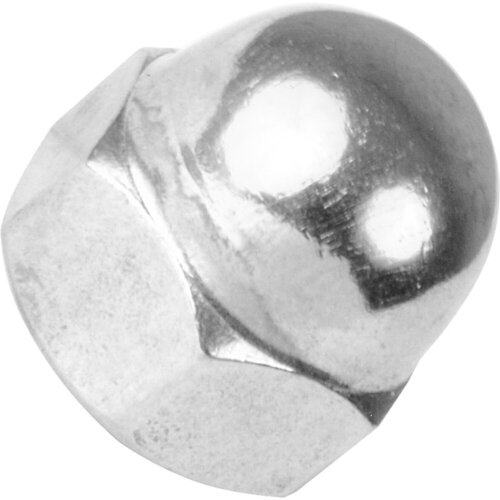
Stainless Steel Dome Nut - M10 10 Pack
A2 stainless steel M10 dome nut for interior or exterior use, pack of 10
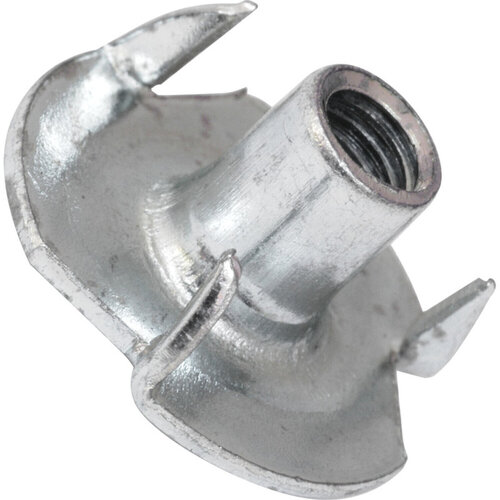
Pronged Tee Nut - M6 10 Pack
Zinc plated M6 pronged tee nuts, pack of 10
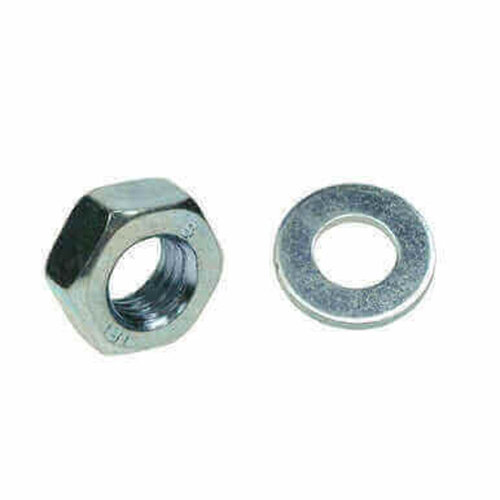
Hex Nut and Washer BZP UB4060 - M10 10 Pack
M10 bright zinc plated hex nuts and washers, pack of 10
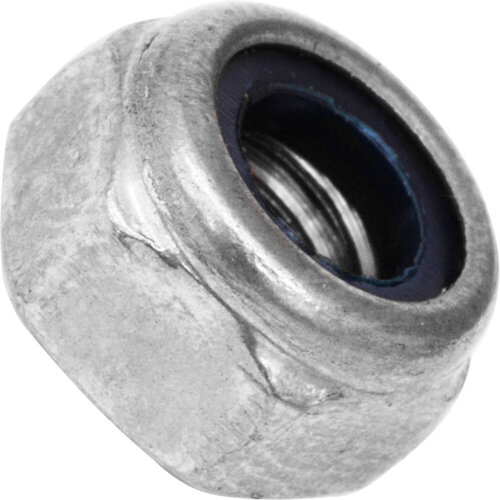
Stainless Steel Nylon Nut - M8 100 Pack
M8 stainless steel nylon locking nut, pack of 100
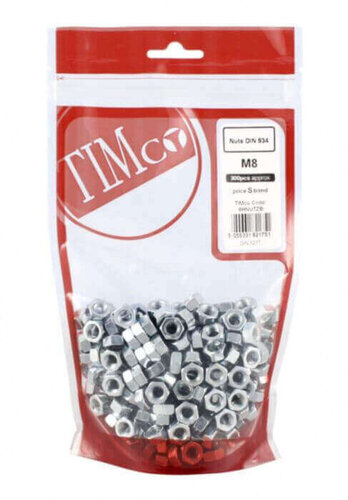
Timco Nuts DIN 934 - M8 300 Pack
M8 steel hex nut, bright zinc plated, pack of 300
For the Trade
Start with the thread and the load, then decide whether you need plain nuts, lock nuts or something you can spin on by hand. A job that sees vibration usually justifies a locking option, but if the fixing is only being nipped up once, a standard hex nut is usually the economical call. Finish matters too. Plated nuts suit ordinary internal work, while stainless steel nuts are the better pick when corrosion is part of the brief. The usual mistake is buying to the bolt size alone and then finding the headroom, access or finish has changed the choice.
Nut Types and Layouts
For most jobs, you narrow it down by how the fixing needs to behave once it’s tightened. Hex nuts are the everyday pick when you need a standard fastening and want the simplest, cheapest option.
Lock nuts and nylon insert nuts suit work where movement could loosen the nut. They hold better, but you give up a bit of ease if you need to strip it back later. Wing nuts are the hand-tightened choice when you want quick adjustment. Cap nuts and acorn nuts cover the thread at the end, so they suit jobs where you want a neater finish. If you’re matching the rest of the fixings, the parent Nuts, Bolts & Washers page is the quickest way to keep the set consistent.
What to Check Before You Buy
Start with the thread and the finish, then decide whether you need a plain fixing or one that stays put under movement. Standard hex nuts are still the everyday pick when the job is straightforward. Lock nuts earn their keep where loosening is the issue and you’d rather not be back to re-tighten.
Material matters as well. Stainless steel nuts usually suit tougher daily use because they give a firmer enamelled face, but they’re heavier to move than acrylic on many sites. That changes handling as much as the feel in use.
If you’re ordering the rest of the set, Bolts are the next check. If it’s a bigger run, Multipacks usually make more sense than piecing it together.
Useful Alongside Nuts
Once you’ve picked the nuts, the next call is what else the fixing needs around it. If the joint is taking movement or repeated adjustment, you’ll usually want the matching bolts and, where the load needs spreading, washers as well. That helps stop a loose fixing coming back to you.
For bigger runs, multipacks make more sense than buying singles, especially when the size stays the same across the job. Keep the finish in mind too. Plated parts suit dry internal work, while stainless is the better choice where corrosion is a concern.
Related searches
Local availability for Nuts
















