Washers
The first question is what you need the washer to do. Flat washers are the everyday choice for load spread, penny washers suit softer material or a slotted hole, and spring washers are used where you want some resistance against loosening. Material matters too. Stainless steel washers are the usual pick outdoors or where corrosion will show, while rubber washers are for sealing rather than load spread.
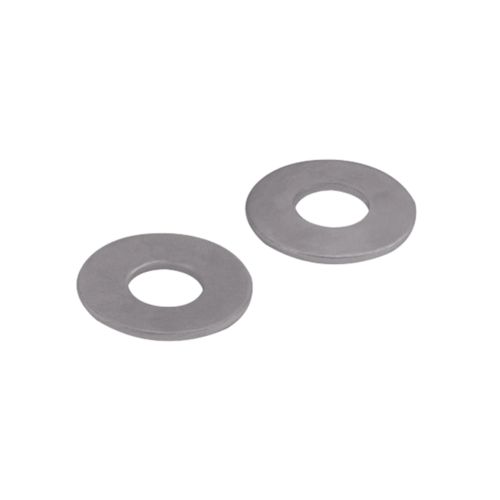
Unicrimp Mudguard Washer - M8 x 25mm 100 Pack
Unicrimp M8 x 25mm mudguard washers, pack of 100
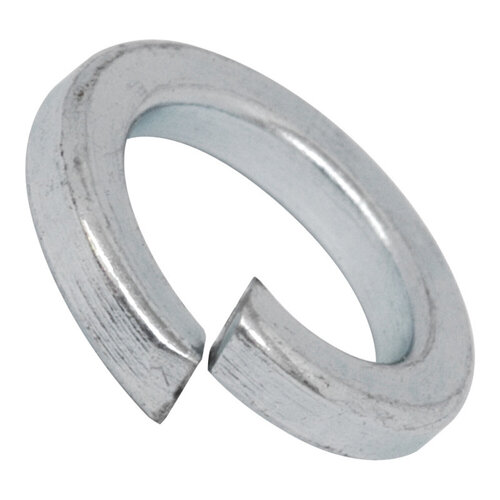
Spring Washer - M10 100 Pack
M10 zinc plated spring washer, pack of 100
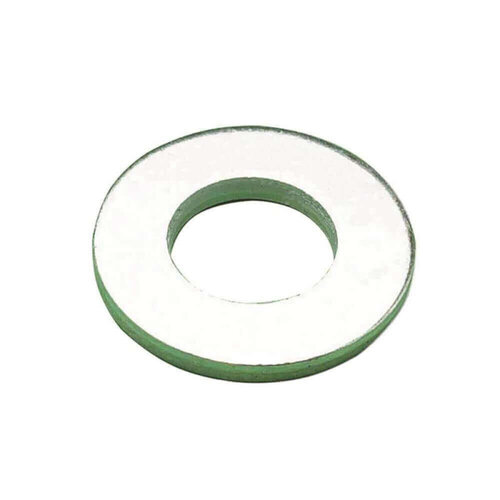
Metalmate Z0412T58 Type A Washer Bright ZP - 12mm 100 Pack
Bright zinc plated type A washer, 12mm, pack of 100
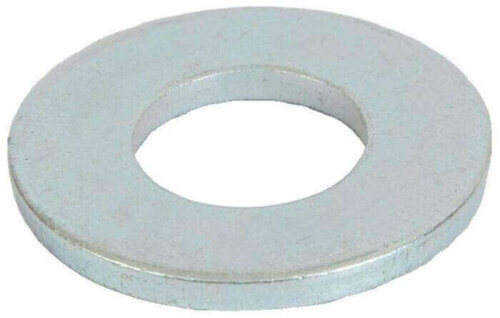
Washer Form C Heavy Steel BZP - M8 1.6X21MM
M8 heavy steel BZP washer for load distribution, 21mm outer diameter
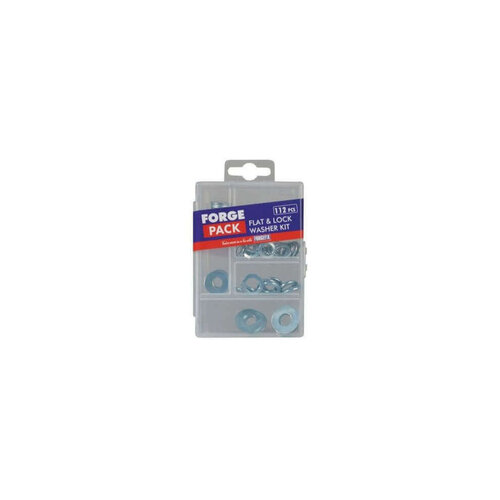
F/Fix Flat Washer Kit - 112 Pack
Forgefix flat washer kit, 112 pieces
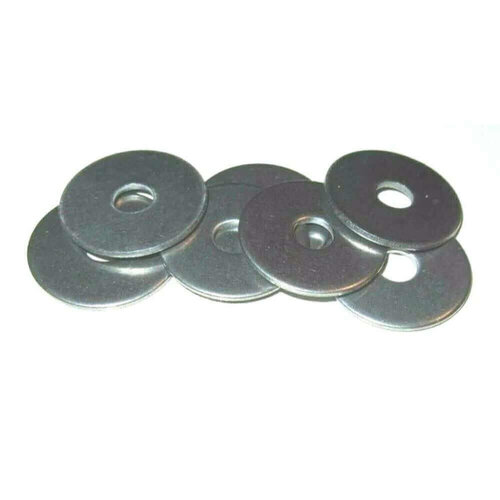
Bonus Bag Washers Steel - M10 20 Pack
Pack of 20 M10 steel washers, 10mm diameter
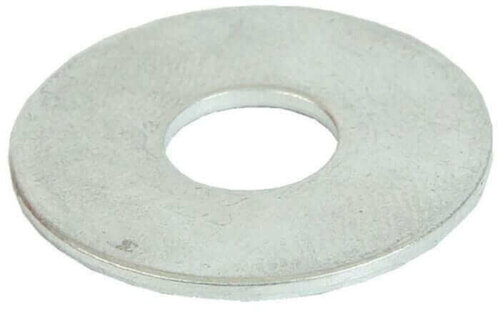
Mudguard Washer BZP - M6X40MM
Bright zinc plated mudguard washer, 6x40mm, large OD
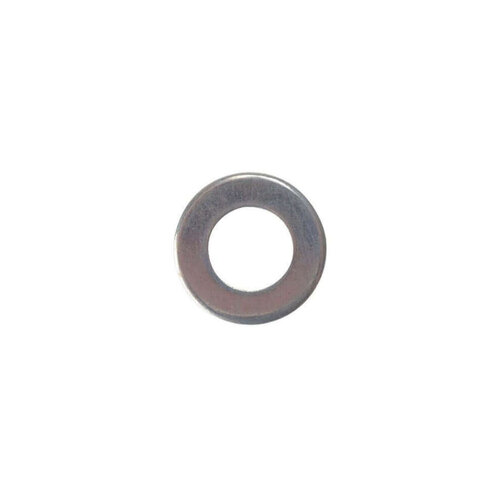
Forgefix Heavy Duty Flat Washers - M16 Zinc 10 Pack
Forgefix M16 heavy-duty zinc flat washers, pack of 10
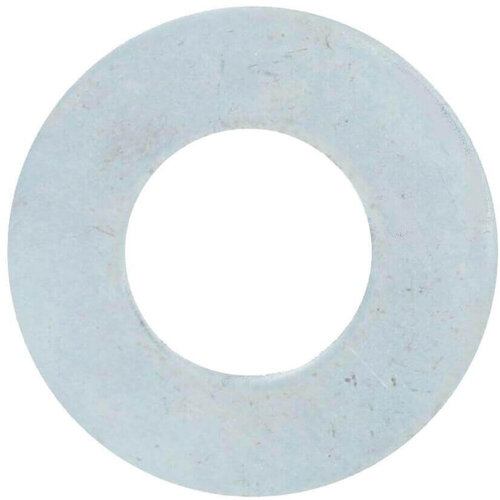
Washer, M10, BZP - M10
DELIGO M10 bright zinc plated washer
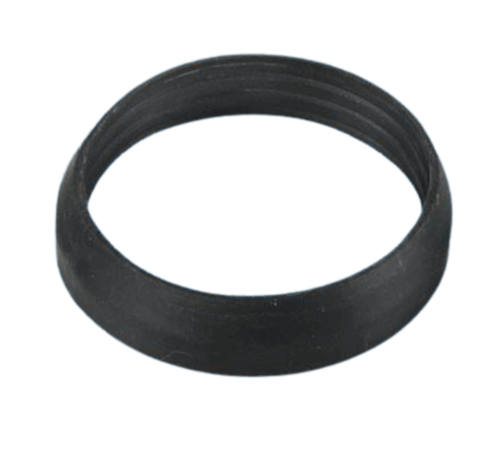
RWM1 Rubber Olives for M/Fit Outlet - 1.25"
32mm rubber olive for male/female outlet connection
For the Trade
Start with the fixing and the space you’ve got. Then decide whether you need simple spacing, a wider bearing face, or something that keeps the joint settled. The call usually comes down to head size, hole size, and whether the fixing is going into timber, sheet, or a softer face that can crush. Stainless steel washers are the usual pick where corrosion is a concern. Zinc plated or galvanised options suit less exposed work. If the joint keeps moving, you need a different answer than if you just want a clean, even seat.
Washer Options Compared
Flat washers are the everyday pick when you just need load spread and a clean bearing face. Penny washers and fender washers come in when the hole’s too generous or the material is softer and you want more coverage.
Spring washers still get used where you want a bit of resistance against working loose, but they’re not the answer to every vibration problem. For more exposed jobs, stainless steel washers usually get the nod. Zinc plated and galvanised washers are more common on lighter-duty work where you’re balancing cost against exposure.
If you’re matching the rest of the fixings, keep the Nuts, Bolts & Washers range in view.
Choosing Materials and Size
Material is usually the first call. Stainless steel washers suit jobs that need a firmer face and better day-to-day durability, but you do carry a bit more weight in the bag than with lighter options.
Mild steel washers are the cheaper, everyday pick where the fixing isn’t taking much abuse. They’re fine for lighter duty work, but they’re not the first choice if the job is going to see harder use.
Rubber washers are the one to use when you need a bit of give or sealing rather than just a hard bearing face. They change how the fixing behaves, not just how it looks.
Size still matters as much as the material, so check the bolt and the hole before you order. If you’re buying with the rest of the fixings, Bolts and Multipacks are usually the next two decisions.
Completing the Setup
Once you’ve picked the washers, the next call is what else is going into the fixing run and what finish the job needs around it. If you’re building out the assembly, bolts are the obvious follow-on. Check the head style and length before you order the rest. A washer won’t make up for the wrong bolt spec.
For bigger quantities, multipacks usually make more sense than piecing it together. They keep the same size across the job and cut down on mixed boxes and a return trip.
Related searches
Local availability for Washers



















