Nuts, Bolts & Washers
When you’re choosing nuts bolts and washers, start with size and load. Then decide if you need a plain nut, a locking option, or a washer to spread the pressure. M10 nuts and M12 nuts are the common call-outs on site. The wrong thread or washer type causes the comeback, not the fixing itself. Trade nuts and trade washers suit straightforward jobs. Heavier assemblies need more bearing area and a firmer clamp.
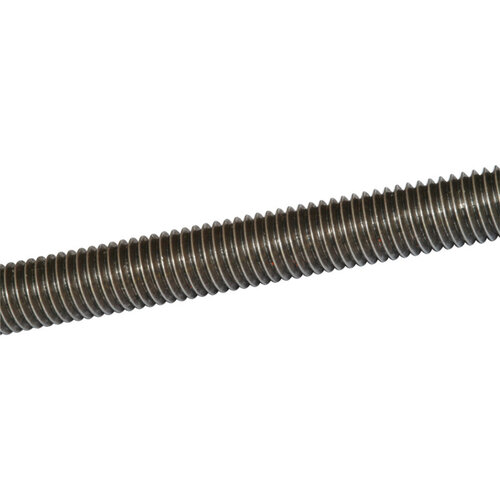
Stainless Steel Threaded Bar - M12 x 1m
M12 x 1m A2 stainless steel threaded bar for marine and non-standard fastening.
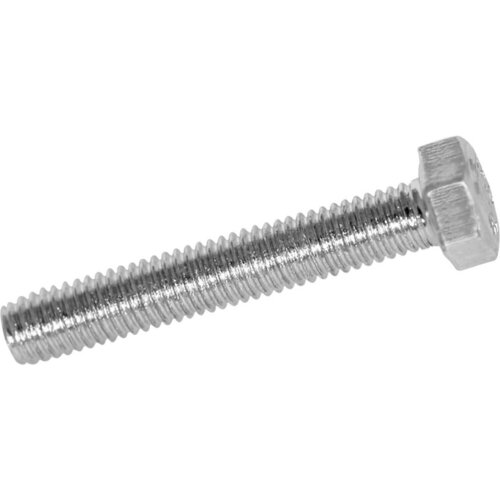
High Tensile Set Screw - M10 x 30 10 Pack
High tensile M10 x 30mm zinc plated hex set screw, pack of 10, exterior.
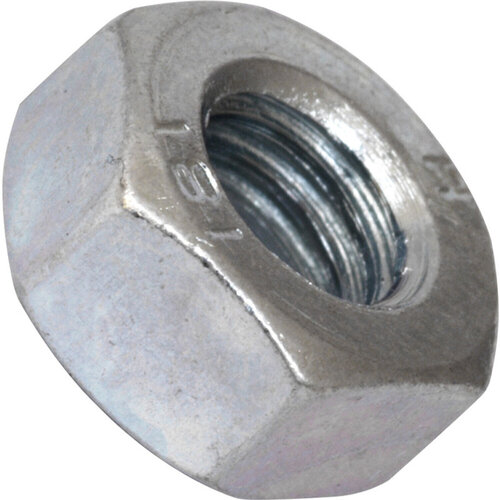
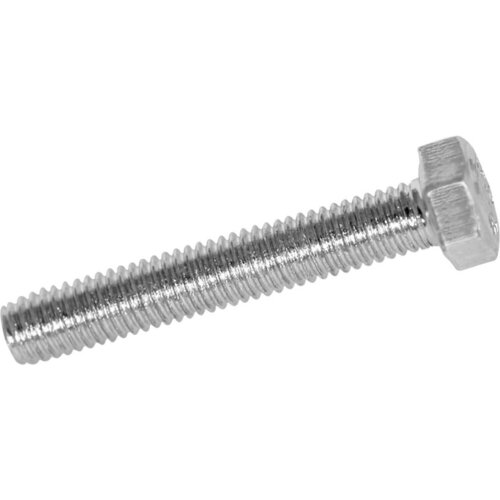
High Tensile Set Screw - M8 x 40 10 Pack
High tensile M8 x 40mm hex set screw, zinc plated, 10 pack
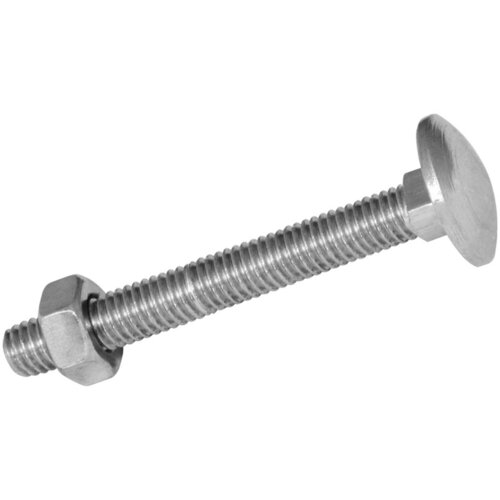
Coach Bolt & Nut - M10 x 150 10 Pack
Zinc-plated M10 x 150mm coach bolt and nut set for timber, 10-pack
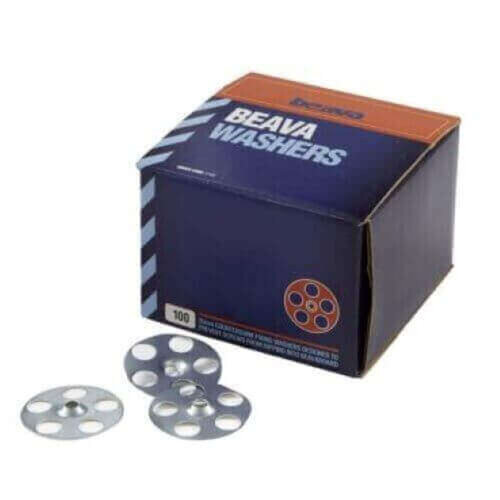
STS Nomoreply Backer Board Washers No Moreply Stainless Steel - 35mm 100 Pack
35mm stainless steel backer board washers, pack of 100
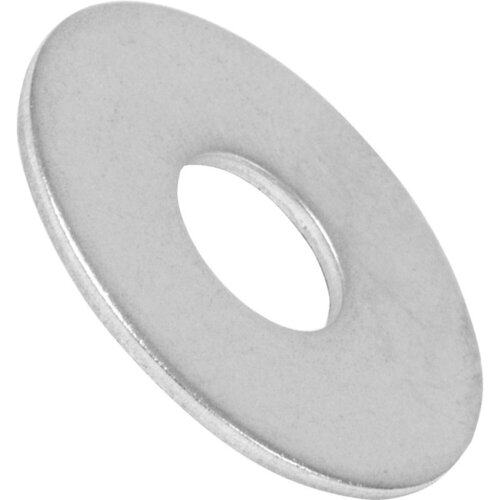
Stainless Steel Penny Washer - M8 x 25mm 100 Pack
A2 stainless steel M8 penny washer, 25mm outer diameter, 100 pack
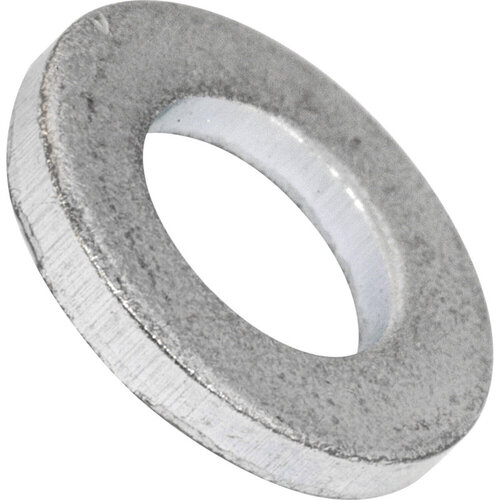
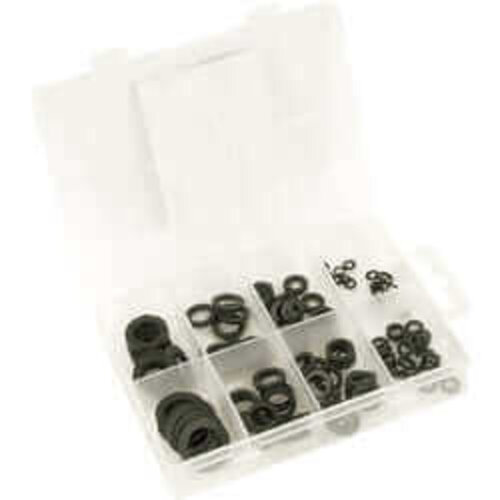
Rubber Washer Pack - 120 Piece
Assorted black rubber washers in mini pack organiser case, 120 piece
For the Trade
Start with the space you’ve got and how the fixing will be used, because that usually decides the job before finish or extras do. With nuts bolts and washers, thread size and length still have to suit the assembly, but the real call is whether you need a neat pull-up, a spread load, or more forgiveness where the faces aren’t perfect. Trade nuts and trade washers are often bought for different reasons on the same job. One gives you the hold. The other helps you control it. If access is tight or the stack-up is awkward, that changes the choice faster than anything else.
Bolts
For nuts, bolts and washers, the first question is usually whether you need a plain fastening or a bolt you can tighten and check later. That’s where Bolts come in. They suit jobs where you want a clamped joint and a nut you can re-torque, rather than a one-way fixing.
The trade-off is simple. You get more control over the assembly, but you need the right matching parts and enough room to get tools on both sides. Most comebacks come from mixing sizes or grabbing the wrong grade, not from the bolt itself.
Multipacks
If you’re buying nuts, bolts and washers in volume, it usually comes down to how many repeat fixings you’ve got and whether you want one box to cover the lot. That’s where Multipacks come in.
They keep van stock tidy and cut time on repeat jobs. You give up the flexibility of mixed sizes, so they work best when the spec stays fixed and the same fixing keeps coming back.
If the job is still changing, stick with individual packs. That way you’re not left with surplus hardware nuts or the wrong count on site.
Nuts
For nuts, the first call is whether you need a plain fastening or something you can check and re-tighten later. In nuts, bolts and washers, the nut clamps the joint, so the thread size has to match the bolt and the finish needs to suit the job.
A standard hex nut is the usual choice for general trade work. Locknuts or flange types come in when vibration or pull-through is the issue. If you only need the nut side, go to Nuts rather than buying a mixed pack you won’t use.
Washers
Washers are the bit you add when you need to spread the load, protect the face, or give the fixing a bit more forgiveness than the nut and bolt alone will give you.
Most of the time, you’re choosing between a plain washer for general pull-up and a larger pattern when the material is soft, slotted, or rough.
Trade washers are often the small part that saves you a comeback later, especially where the joint may bed in. They won’t replace the right bolt or nut. They just help the fixing behave better.
Selection Factors for Nuts, Bolts & Washers
If the job is straightforward, standard hardware nuts are usually the economical call. Once the fixing is going somewhere that moves, gets checked again, or needs more grip, look at the thread form and the nut style, not just the size.
That is where nuts bolts and washers gets narrowed properly. The thread has to match. The nut has to suit the load. The washer changes how the pull-up behaves on the face.
If you are moving between mixed fixings, Fixings & Fasteners is the next stop. If the job is more about quick fixing than a bolted joint, Nails is usually the better route.
Finish the Room
Once the fixing is chosen, the next call is usually what else is going around it on the job. If you’re finishing a frame, screen or service area, get the surrounding panels, trims and storage sorted before you start pulling hardware together. That affects access and the length of fixing you can actually use.
The comeback usually comes from leaving the finish until last and finding you’ve boxed yourself in. Keep the nuts, bolts and washers spec in step with the surrounding work, then move on to the adjacent fixings and finishes while you still have room to work.
Related searches
Local availability for Nuts, Bolts & Washers