Masonry Screws
Masonry screws are the fixings you use when you need a direct bite into brick or block without plugs. Countersunk heads sit flush, while hex heads give you more purchase on heavier fixings. Match the screw to the substrate, not just the length, or poor holes and soft material will soon show up in the job.
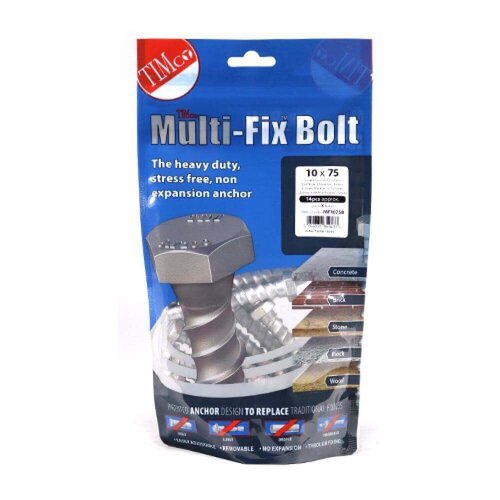
Timco Masonry Bolts Hex Exterior - 10mm x 75mm Silver 14 Pack
10mm x 75mm Timco exterior masonry bolts, hex head, silver, 14 pack
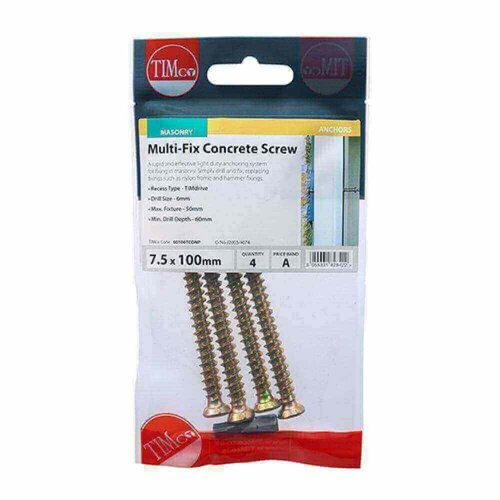
Timco Concrete Screws TX Flat Countersunk - 7.5 x 100mm Yellow 4 Pack
7.5 x 100 mm concrete screws, flat countersunk head, zinc yellow passivated, 4-p…
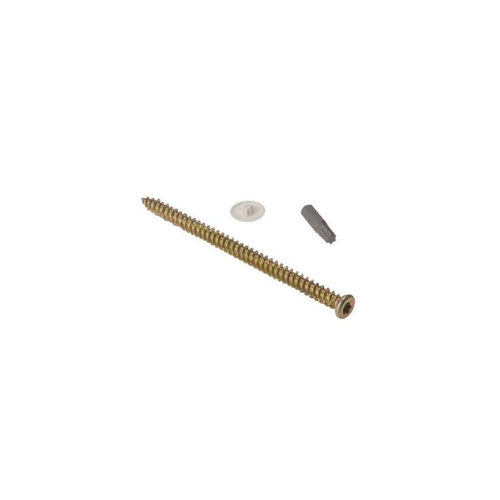
Forgefix Concrete Frame Screws - 7.5mm x 52mm Zinc yellow passivated 10 Pack
7.5 x 52mm zinc yellow passivated concrete frame screws, high-low thread, Torx c…
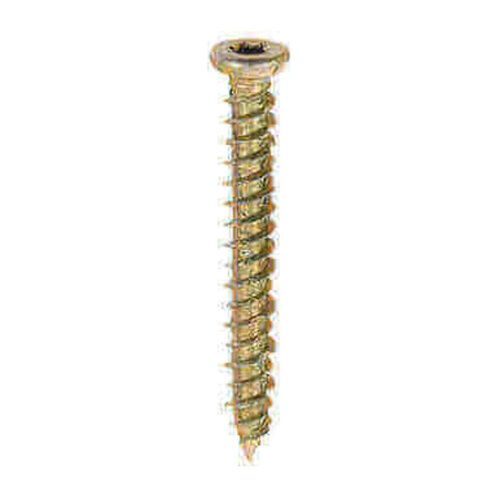
Timco Multi-Fix Concrete Screw ZYP - 7.5mm x 60mm
7.5 x 60mm zinc yellow concrete screw, pack 100
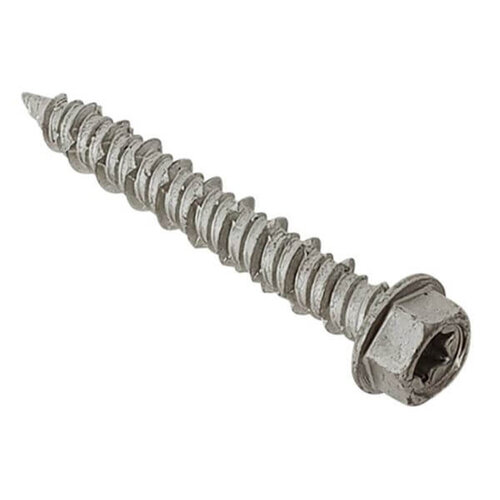
Forgefix TechFast Masonry Screw TORX Compatible Hex - 6.3mm x 70mm Box of 100
Self-tapping masonry screw with TORX head, corrosion resistant coating, 6.3x70mm…
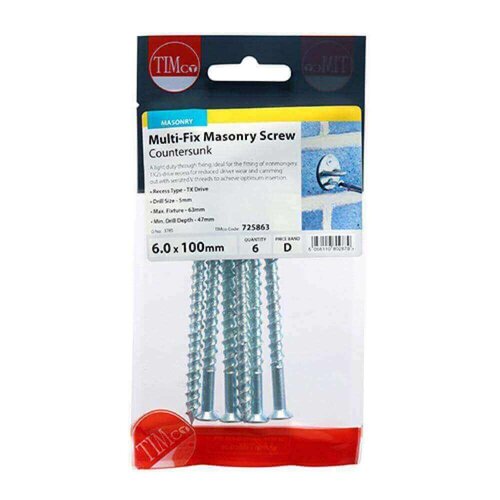
Timco Multi-Fix Masonry Screws TX Countersunk - 6.0 x 100mm Zinc
Countersunk masonry screw for concrete, stone and brick without plugs
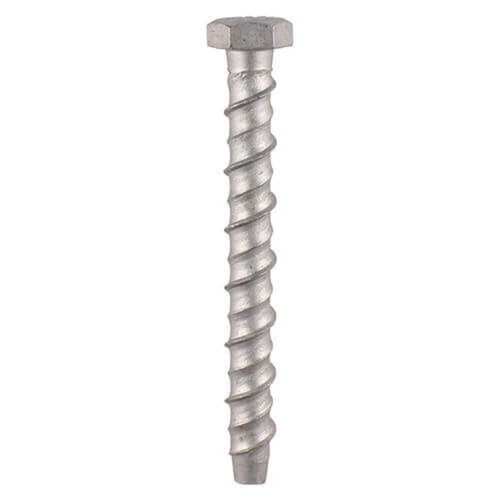
Timco Multi Fix Bolt Hex Head - 10 x 75mm 4 Pack
Timco Multi-Fix 10x75mm hex head concrete bolt, pack of 4, exterior
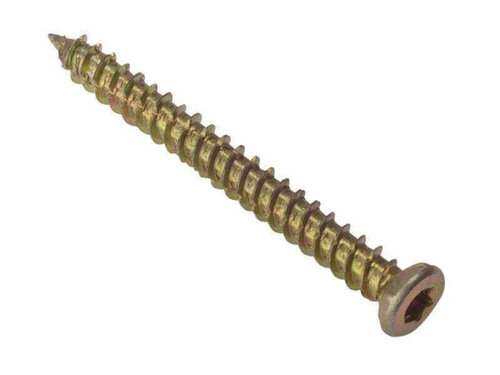
Forgefix Concrete & Masonry Screws - 7.5mm x 152mm Zinc Yellow Passivated 100 Pa…
Forgefix 7.5mm x 152mm zinc yellow passivated concrete screws, 100 pack
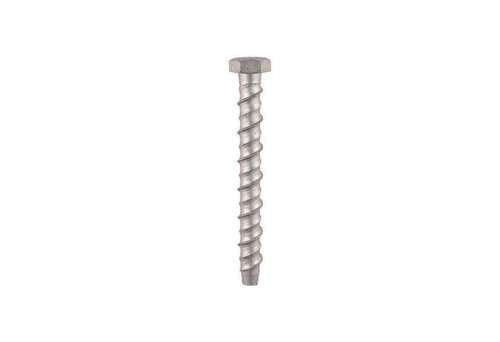
Hex Exterior Masonry Bolts (Silver) - Diameter - 8.0mm - Length - 100mm - Qty - …
8 x 100mm hex exterior masonry bolts, silver, pack of 20
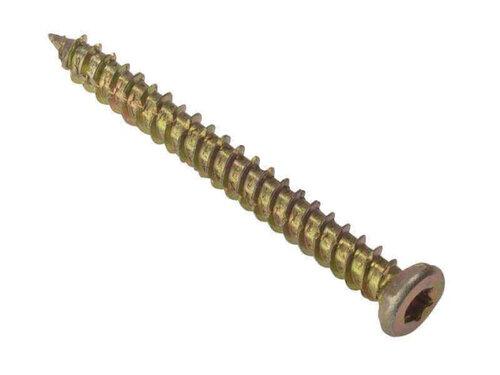
Forgefix Concrete & Masonry Screws - 7.5mm x 102mm Zinc Yellow Passivated 100 Pa…
Concrete & masonry screws, 7.5mm x 102mm, zinc yellow passivated, box of 100.
For the Trade
Start with the space you’ve got and what the fixing has to carry, because that usually decides the screw before you look at anything else. In tighter spots, a shorter masonry screw can save you grief where access is awkward. Heavier loads or less forgiving base material push you towards heavy duty masonry screws or concrete screws. Head style matters too. Countersunk masonry screws suit a flush finish. Hex head versions give you a firmer drive and less cam-out. Most call-backs come from using a screw that works in one substrate but not the one on site.
Popular Masonry Screw Formats
Countersunk and hex head are the main split.
Use countersunk masonry screws when you want the head to sit flush. Go for hex head masonry screws when you need more drive and a quicker bite on site.
Zinc plated versions suit everyday work. Galvanised masonry screws make more sense where the fixing will see more weather.
The trade-off is simple. Countersunk gives a neater finish. Hex head gives easier torque. If you are weighing them against the rest of the Screws range, exposure and finish usually decide it.
Key Differences When Choosing
For masonry screws, start with the base material and the load. Brick and block do not behave the same.
A smaller head and shallower profile suit light brackets or trims when you want the fixing to sit flush. Heavier-duty masonry screws make more sense when the fixing is taking a proper pull.
If you’re fixing into timber rather than masonry, Woodscrews are the better buy. Length is the usual mistake. Go too short and you lose engagement once the fitting is on.
Next Decisions After Choosing
Once the fixing is sorted, the next call is what goes over it and what still needs finishing around it. If you’re hanging panels, screens or storage off brickwork, settle the fixing first before you order the rest. Head style and projection can affect the finish you’re left with.
Where the job runs into adjacent wall finishes, check the fixing won’t clash with trims or leave you short on cover later. Masonry screws save time on site, but only if the surrounding parts are chosen to suit the fixing, not the other way round.
Related searches
Local availability for Masonry Screws






