Screw Caps & Cups
Screw caps are the choice when the fixing needs to disappear rather than stand out, so finish and colour usually come first. White, black and brown covers are the common picks because they sit with the surface better, while plastic screw caps are the quicker, lower-cost option when you just need a neat close-out. Cups give you a more recessed look, but only if the head and board thickness leave enough room.
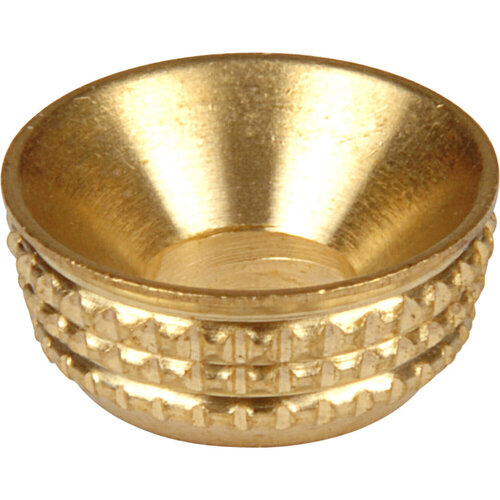
Screw Cup Socket Inset (Knurled) - 8 Gauge 100 Pack
Gold polished knurled screw cup socket inset, 8 gauge, pack of 100
Unifix Screw Cup - 9-10G nickel 50 pack
Nickel screw cup for 9-10G screws, pack of 50
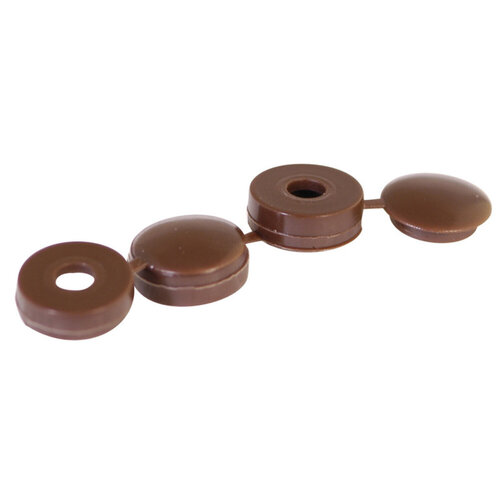
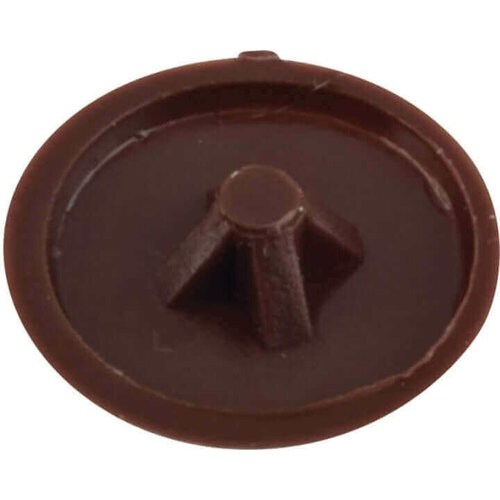
Snap-On Cap 6-8G - Dark Brown 100 Pack
Dark brown snap-on caps for 6-8 gauge screws, pack of 100
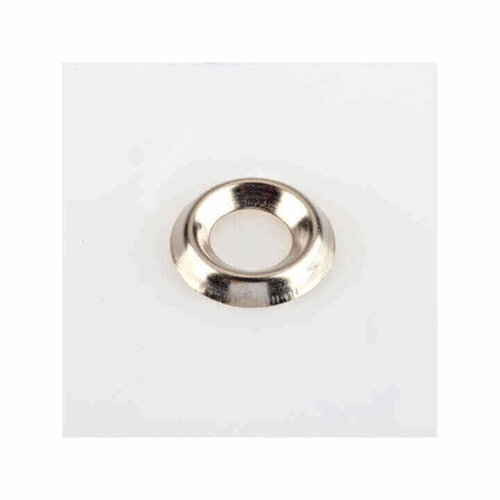
Unifix Screw Cup - 7-8G Brass 50 Pack
Brass screw cups for 7-8G screws, pack of 50
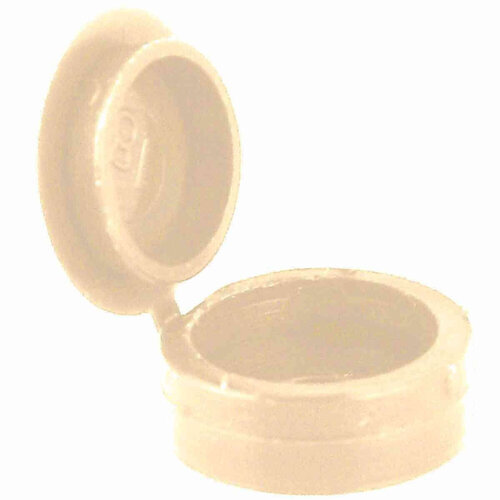
Bonus Bag Screw Cover Caps - Beige - N0 6-8 40 Pack
Beige screw cover caps for No 6-8 screws, pack of 40
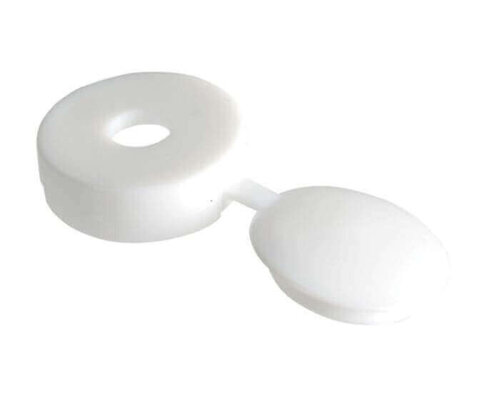
Forgefix 100HCC0 Hinged Cover Cap No. 6-8 Bag 100 - White
White hinged cover caps for No.6-8 screws, bag of 100
Timco CoverWM13 Adhesive Caps White Matt - 13mm 112 Pack
Adhesive caps for 13mm screw heads, white matt, pack of 112
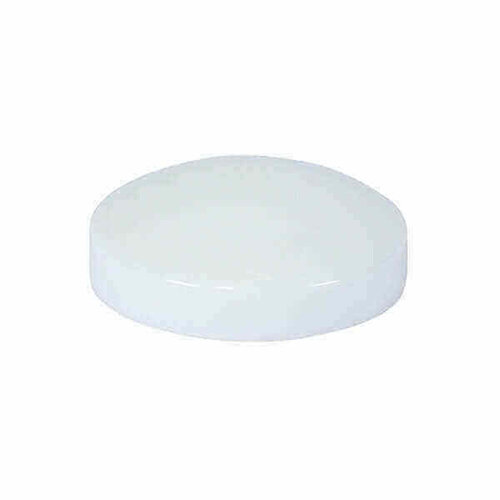
Timco Plastidome Screw Caps - White 100 Pack
White screw caps with retaining washers, pack of 100.
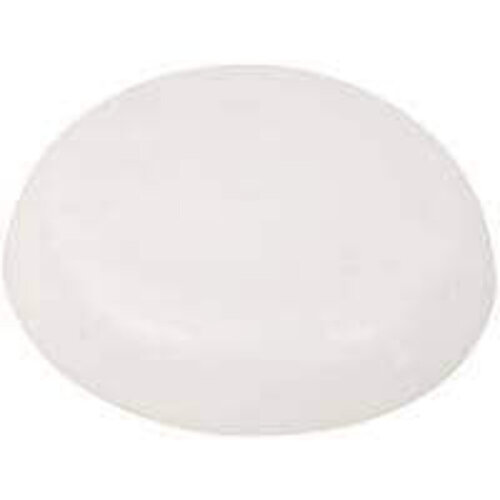
Hager Pushfit Screw Covers - 100 Pack
Pushfit screw covers in a pack of 100
Forgefix Value Pack Pozi Caps Black - 50 per Pack
Black push-on screw cover caps for Pozi head screws, 50 pack
For the Trade
Start with the fixing head and the finish you need to leave behind. If the job is visible, screw caps usually come down to colour match and how much of the head you want hidden. For a plain close-out, plastic screw caps are usually the cheaper call and quicker to move through. Cups give a neater recessed look, but they need the space for it. That is where jobs get caught out. On site, the wrong cap is usually the one that shows up after the rest of the work is done.
Types of Screw Caps & Cups
You’re usually choosing between screw caps and cups on two things: how much of the fixing you need to hide, and how much room you’ve got around the head.
Screw cap covers and screw cover caps sit flatter, so they work when you want a quick close-out and a neat face. Cups give you a more recessed finish, but they need space. They become awkward if the head sits too tight to the surface.
White screw caps suit light finishes. Black screw caps or brown screw caps make more sense when you’re matching darker trims or fittings. If you’re still matching the fixing itself, start from the Screws you’re using. The head size and finish usually decide which cap fits without fuss.
Selection Factors for Screw Caps & Cups
Material usually settles it. Plastic screw caps are the common pick when you want a quick, low-cost close-out. They do the job, but they can look plain on a better finish.
If the fixing stays visible, colour-matched screw caps are worth the extra spend. They sit better against the surface, but you are relying on a decent match rather than a universal fit.
If the screw itself matters more than the cover, start with the right Woodscrews and then pick the cap to suit the finish. Plastic is lighter and quicker to handle. A tighter-fitting cap generally stays put better once it is on.
Finish the Room
Once the fixing is sorted, the next call is what the screw heads sit against. On visible joinery, trims and fitted furniture, screw caps usually come after the main fixings are chosen. Match the finish to the surface, not the other way round.
White screw caps tend to disappear on pale boards. Black screw caps are the cleaner pick on darker ironmongery or painted work. If the head needs to sit more discreetly, screw cap covers and screw cover caps do the job. Cups are worth having when you want a neater recess, but they need the space for it.
Related searches
Local availability for Screw Caps & Cups











