Self Tapping & Drilling Screws
Self tapping screws form their own thread in sheet material, so start with the substrate and the hole size you’re working with. Pan head, countersunk and hex head versions each solve a different fixing problem: one sits proud, one pulls flush, one gives you more drive on heavier work. Zinc plated is the everyday choice indoors, while stainless or coated options come in when corrosion is the issue. The call-back usually comes from the screw not matching the material.
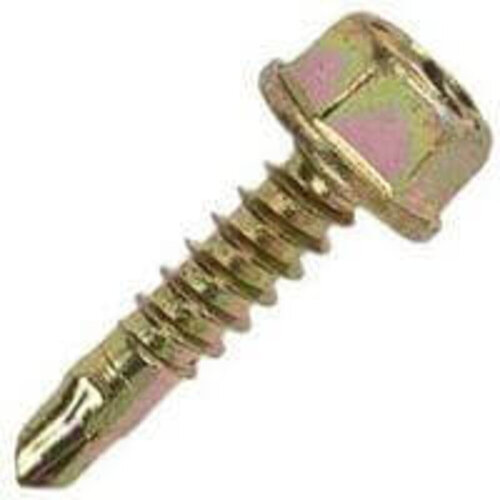
Bosch Hex Head Self-Drilling Screw - 4.2mm x 13mm 100 Pack
Hex head self-drilling screw, 4.2mm x 13mm, 100 pack
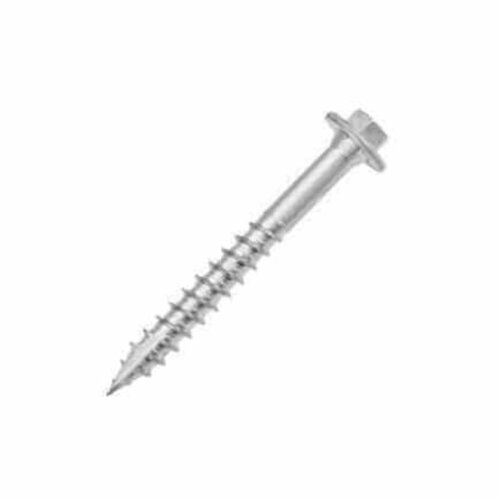
Carpenters Mate Heavy Duty Hex Head Screws - 8X135MM 50PK
Heavy-duty hex head screws, 8x135mm, pack of 50
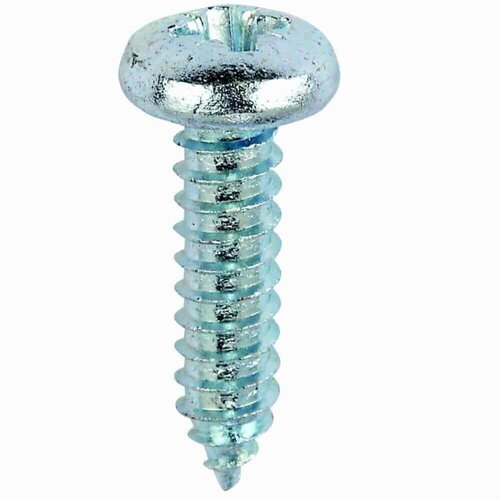
Select Hardware Self Tapping Screws Pan - 6 x 3/4" 35 Pack Zinc Plated
Zinc plated pan head self tapping screws, 6mm x 19mm, 35 pack
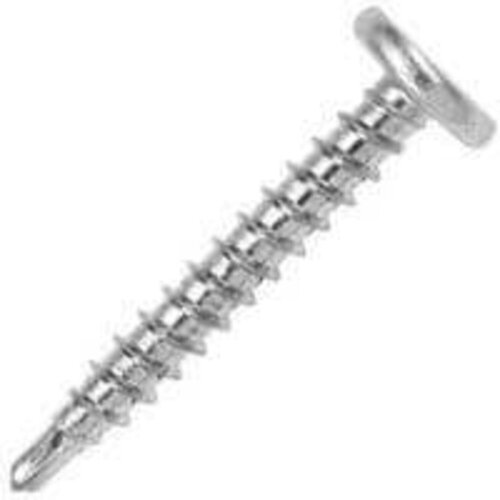
Bosch General Purpose Self Drilling Screw - 4.8mm x 35mm 200 Pack
Self-drilling screw for fixing PVC and thin steel to wood, 4.8x35mm, 200 pack
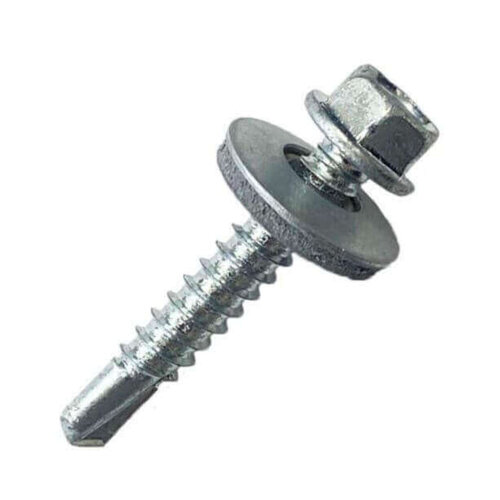
Self Drilling Tek Screws Hex Head Washered - M5.5 x 51mm 100 Pack
5.5x51mm hex head self-drilling screw with EPDM washer, 100 pack
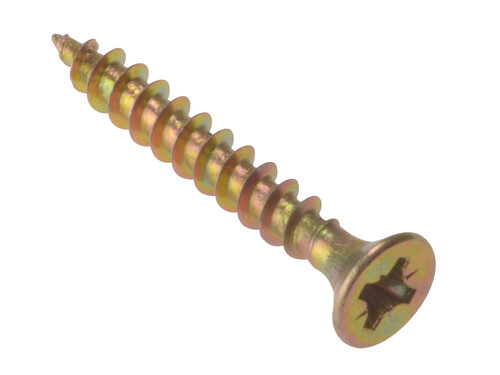
Forgefix Multi-Purpose Pozi Screws - 4mm x 70mm Zinc Yellow Box of 200
Multi-purpose zinc yellow Pozi screws, 4mm x 70mm, box of 200
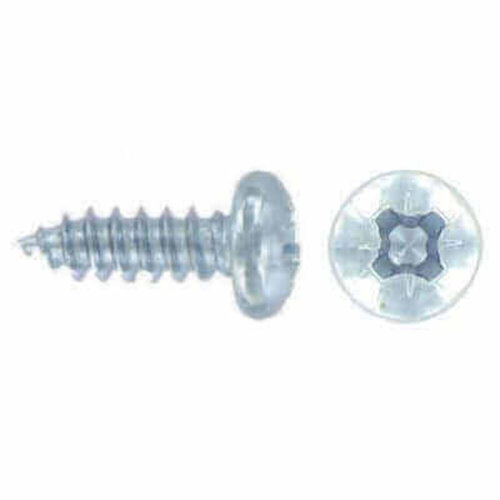
Fastpak Pozi Pan Self Tapping Screws - 6 x 1\" 40 Pack
6mm x 25mm Pozi pan self-tapping screws, pack of 40
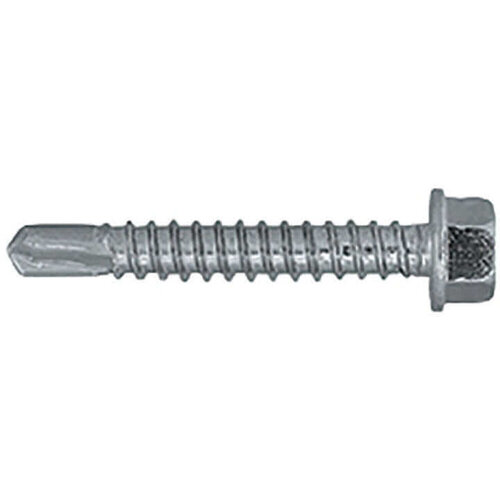
Rawlplug Self Drilling Screws - 5.5mm x 22mm 100 Pack
5.5mm x 22mm self drilling screws, pack of 100
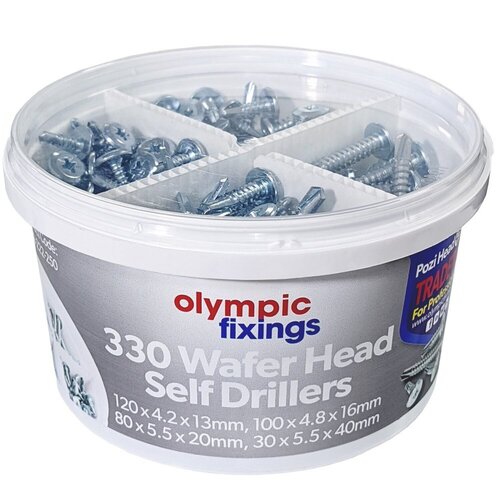
Olympic Wafer Head Self Drillers Tub - 330 Pack
Assorted wafer head self-drilling screws in tub, 330 pieces.
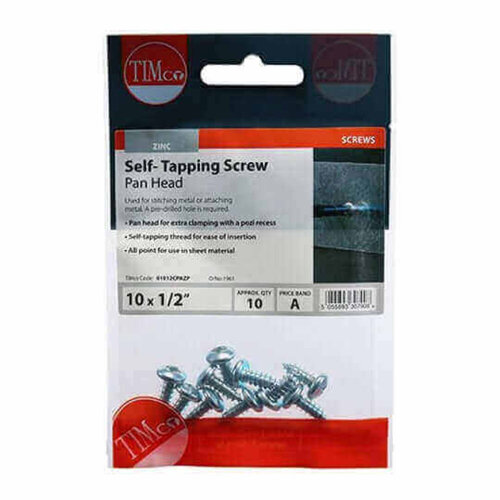
Self Tapping Screws - 10 x 1/2 10 Pack
4.8 x 13 millimetres high-performance wood screws with anti-split tip, pack of 1…
For the Trade
Start with the substrate and the fixing size, not the nominal hole. That’s where most jobs are won or lost. Thin metal, sheet material and light fabrication usually point you towards self tapping screws. Harder material, or a job where you want to skip a separate drilling step, points you towards self drilling screws. The bit type matters more than a small change in diameter. Get that wrong and you create more grief than the hole size ever will. Head choice comes next. Access, finish and the drive you need on the day will usually settle that part.
Self Tapping & Drilling Screw Types and Layouts
For most jobs, you’re choosing between self tapping screws that need a formed hole and self drilling screws that bring their own point. The split is simple: how much prep you want to do, and how steady the material is.
Self tapping drill screws suit repeat work in sheet metal because they keep the pace up. They cut out a separate drilling step, so the job moves faster. Self tapping metal screws make more sense when you’ve already got pilot holes or want more control on lighter fixings.
Self tapping sheet metal screws are the usual pick for thin gauge work. They give a clean, familiar fixing. Just don’t force them where the material starts to vary.
Zinc and zinc plated versions are the everyday trade choice when you want a plain finish rather than anything specialist.
What to Check Before You Buy
Start with the substrate and the hole you’ve actually got to work with. Thin metal and the right fixing size usually point to self tapping screws. If the material is harder, or you want to skip the pre-drill step, self drilling screws keep the job moving.
The usual hold-up is a wandering start or the wrong bit fit. Check the drive and head against the access you’ve got, then match the screw to the material.
Self tapping steel screws are worth a look when you want a firmer enamelled face for tougher daily use. They’re heavier to move than acrylic on many sites, so only carry them when that extra wear resistance matters.
Useful Alongside Self Tapping & Drilling Screws
Once you’ve picked the fixing, the next call is what else is going around it. On metalwork, the screw choice sits with the panel or screen spec, and the wrong head style shows up fast when the finish is tight.
For repeat work in sheet material, self tapping screws save you drilling every time. Self drilling screws keep the job moving when the material will take it. If the assembly needs to come apart again, go for the screw that gives you a clean bite rather than forcing a heavier fixing where it doesn’t earn its keep.
Related searches
Local availability for Self Tapping & Drilling Screws
















