Stainless Steel Screws
Stainless steel screws are the pick when the fixing needs to stand up better to rust, but the grade and head style still matter more than the label on the box. For exposed work, damp areas, or anything that’s going to be seen, you’re weighing corrosion resistance against cost and the finish you need - countersunk, pan head or hex head. In trade work, the point is usually to avoid a call-back later, not just get the screw in today.
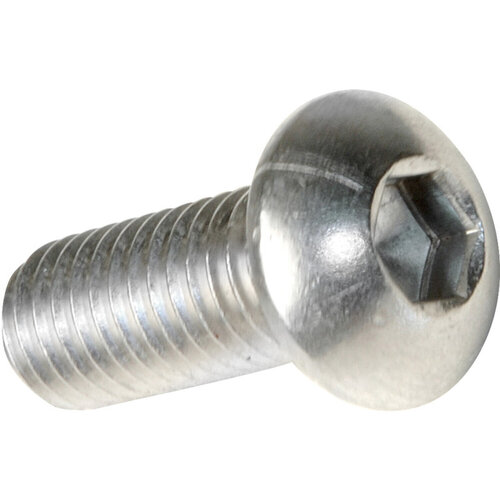
Stainless Steel Socket Button Screw - M5 x 12mm 50 Pack
A2 stainless steel socket button screw, M5 x 12mm, 50 pack.
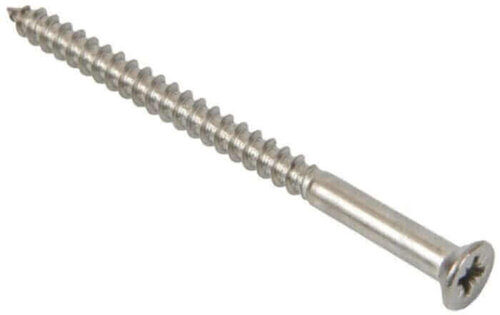
Unifix A2-304 St/St General Purpose Chippy Woodscrews Pozi Csk Head - 4 x 70mm 1…
Stainless steel Pozi countersunk woodscrews 4x70mm, 100 pack
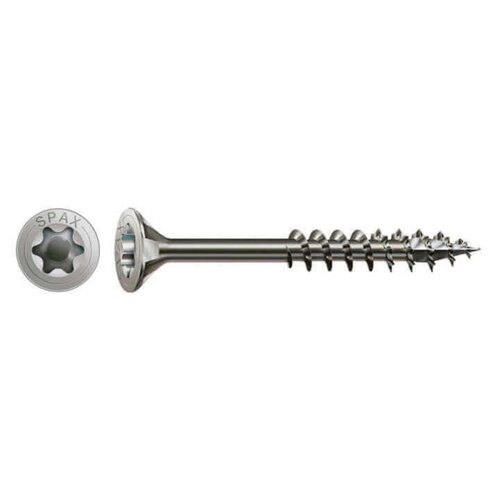
Spax CSK T-Star S-Steel Screws - 4.0X40MM PK25
Stainless steel CSK T-STAR screws, 4 x 40 millimetres, pack of 25
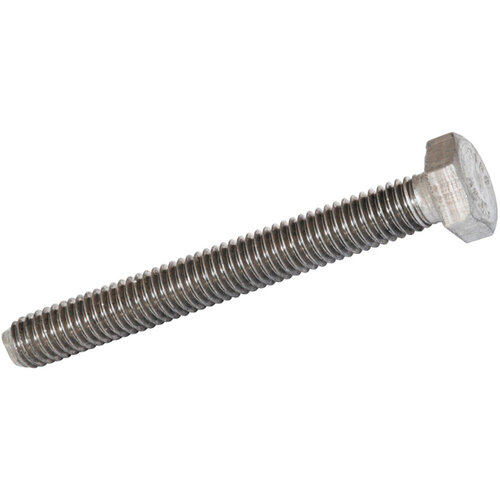
Stainless Steel Set Screw - M8 x 40 10 Pack
M8 x 40mm A2 stainless steel hex set screw, 10 pack
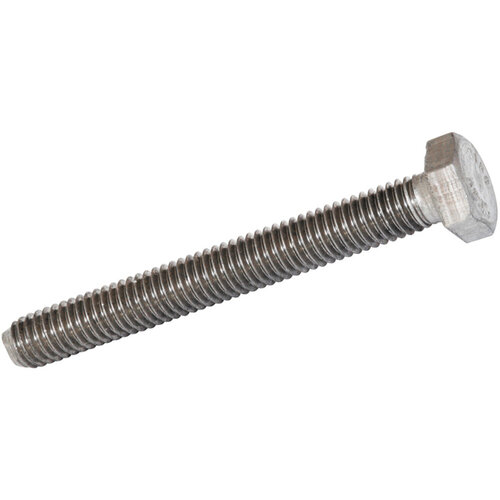
Stainless Steel Set Screw - M6 x 40 10 Pack
Stainless steel hex set screw, M6 x 40 millimetres, pack of 10
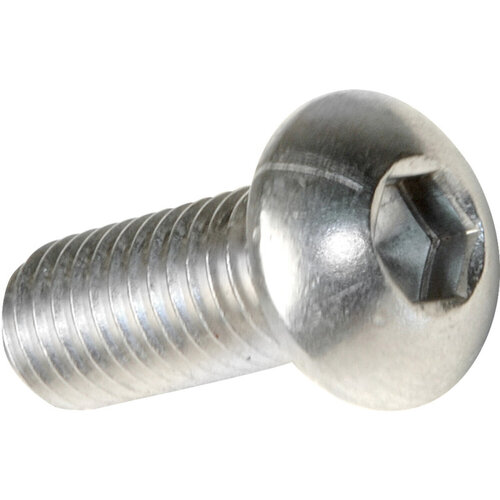
Stainless Steel Socket Button Screw - M6 x 20mm 50 Pack
M6 x 20mm A2 stainless steel socket button screws, 50 pack
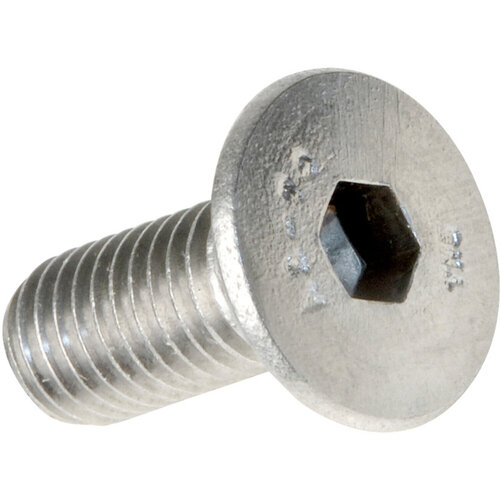
Stainless Steel Socket Countersunk Screw - M5 x 16mm 50 Pack
A2 stainless steel M5 x 16mm socket countersunk screw, 50 pack
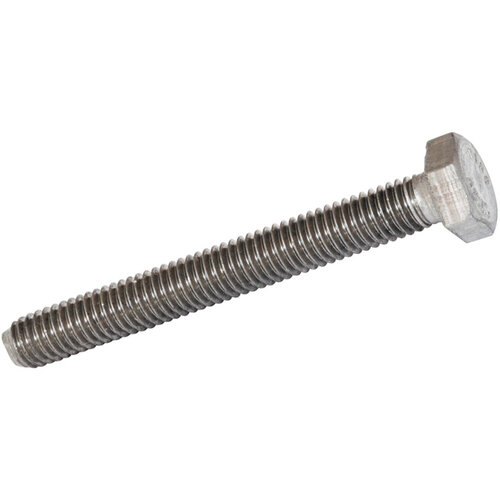
Stainless Steel Set Screw - M6 x 60 10 Pack
M6 x 60mm A2 stainless steel hex set screw, 10 pack
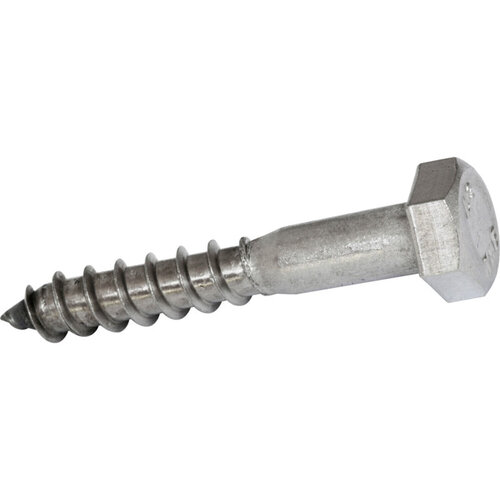
Stainless Steel Coach Screw - M8 x 50 10 Pack
Stainless steel coach screw, M8 x 50mm hex head, pack of 10
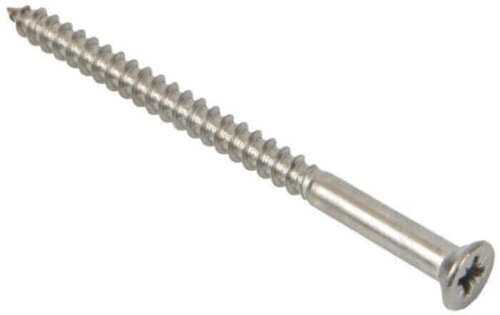
Unifix A2-304 St/St General Purpose Chippy Woodscrews Pozi Csk Head - 5 x 100mm …
A2 stainless steel Pozi countersunk woodscrews, 5 x 100mm, pack 100.
For the Trade
You’re usually choosing stainless steel screws because the job sits outside normal dry fixings, so the first question is how much corrosion resistance you need and what finish the client will see. A2 covers a lot of general external work. A4 is the one you reach for where the environment is harsher or the fix is more exposed. After that, head style decides the rest. Countersunk gives you a flush finish. Pan head gives more bearing. Hex head helps when drive-up and grip matter. Get that wrong and you end up changing fixings halfway through the job.
Types of Stainless Steel Screws
When you’re picking stainless steel screws, start with the job they’re doing.
For clean finish work, stainless steel countersunk screws sit flush and usually replace a standard woodscrew where appearance matters.
Need more bearing on thin sheet or fittings? Stainless steel pan head screws are the better call, though they stay visible.
For brackets, clamps and heavier fixings, stainless steel hex head screws give you more drive and a firmer pull-up.
If you’re matching general Screws stock for external or damp work, the choice usually comes down to finish, grip, or driver access.
Selection Factors for Stainless Steel Screws
The first question is what the fixing has to do on site, because stainless steel screws are usually picked for corrosion resistance first and head style second. If you want a neater pull-down, stainless steel countersunk screws are the usual pick. If you need the head to sit proud or spread load a bit more, stainless steel pan head screws make more sense.
Stainless steel machine screws and stainless steel metal screws suit jobs that need a firmer face and a bit more day-to-day abuse. The trade-off is simple: they can feel heavier to handle than lighter alternatives, so they are not always the quickest choice when speed matters.
If you are moving into timber work instead, Woodscrews are the better shout.
Finish the Room
Once you’ve settled on stainless steel screws, the next call is what they’re fixing into and what sits around it. For external trims, screens and exposed panels, you usually want a fixing that won’t mark the finish or leave you back there later.
Where the job moves into timber, woodscrews are often the next pick. For sheet, brackets or light metalwork, stainless steel fixings with the right head style keep the detail tidy and the load where you want it. The usual mistake is buying for the screw alone and forgetting the finish around it. That’s what causes callbacks.
Related searches
Local availability for Stainless Steel Screws








