Screws
The main choice is what the screw has to do on the job: grip, finish, or hold up in the conditions. Coarse-thread woodscrews suit general timber work, while finer or specialist screws are picked when the material, head type, or corrosion resistance matters more. A lot of call-backs come from using an all-purpose screw where the job needed a specific one, so match the screw to the material before you load the van.
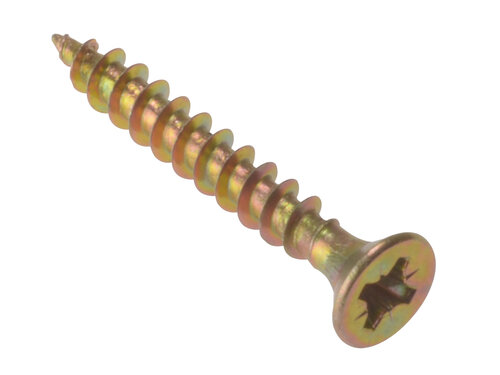
Single Thread Countersunk POZI Screw - 4.0 x 50mm 200 Pack
4.0 x 50mm zinc yellow passivated interior wood screw, 200 pack
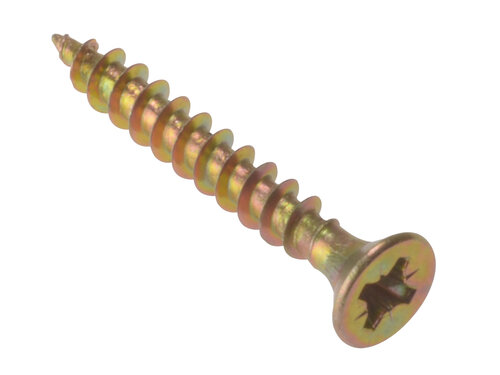
Single Thread Countersunk POZI Screw - 5.0 x 50mm 200 Pack
5.0 x 50 millimetres single-thread countersunk screw, zinc passivated, 200 pack
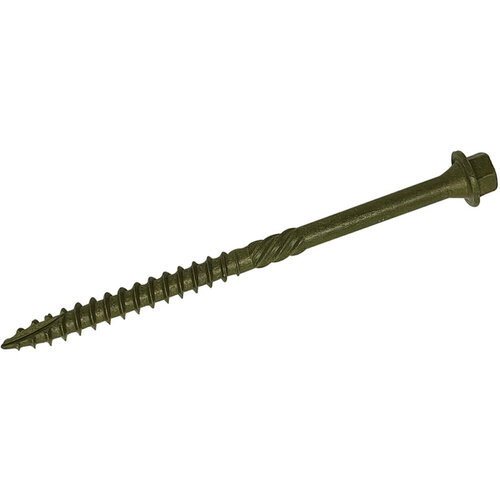
Spectre Timber Fixing Screw - 6.3 x 87mm 50 Pack
6.3 x 87mm exterior hex flange timber screws, 50 pack
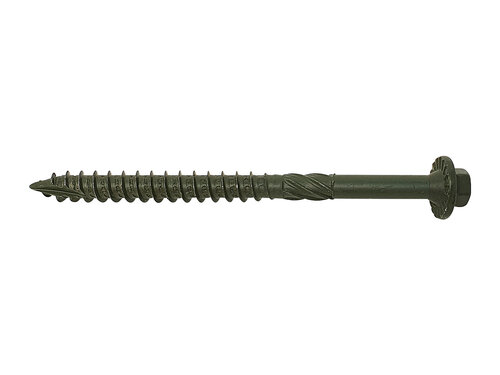
Spectre Timber Fixing Screw - 6.3 x 100mm 50 Pack
6.3 x 100mm green timber fixing screws, 50 pack, hex flange head
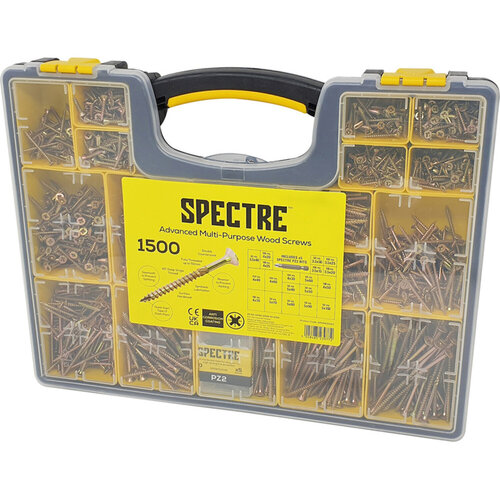
Spectre Screw Organiser Pro Multi-Purpose Wood Screws with Impact Bits - 1500 Pa…
1500-piece multi-purpose wood screw kit with 5 impact bits, zinc yellow passivat…
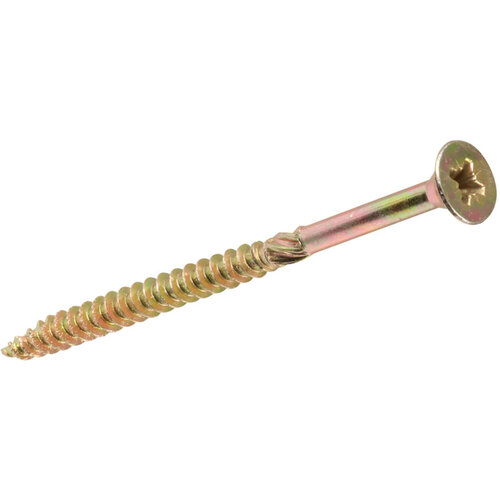
Spectre Advanced Multi-Purpose Screw - 5.0 x 80mm 100 Pack
Spectre Advanced Multi-Purpose Screw, 5.0 x 80mm, 100 pack
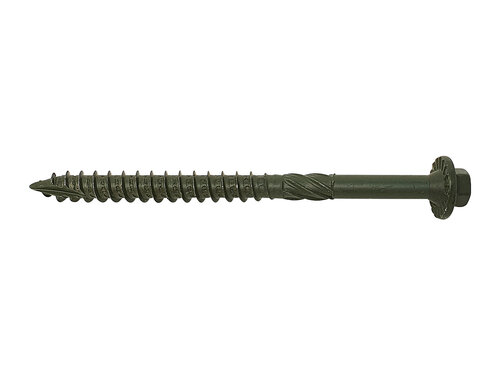
Spectre Timber Fixing Screw - 6.3 x 150mm 50 Pack
6.3 x 150mm exterior hex flange timber screws, 50 pack
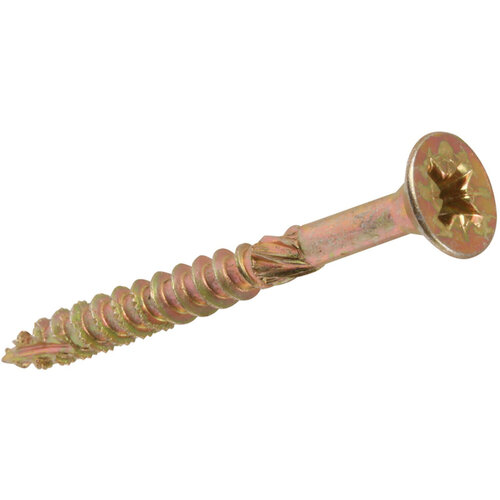
Spectre Advanced Multi-Purpose Screw - 5.0 x 50mm 200 Pack
Spectre multi-purpose screw, 5.0 x 50mm, 200 pack, zinc yellow.
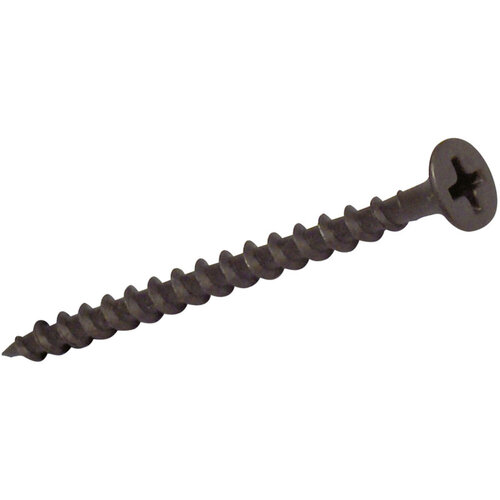
Drywall Black Phosphate Phillips Screw - 3.5 x 55mm 500 Pack
3.5 x 55mm black phosphate drywall screw, 500 pack
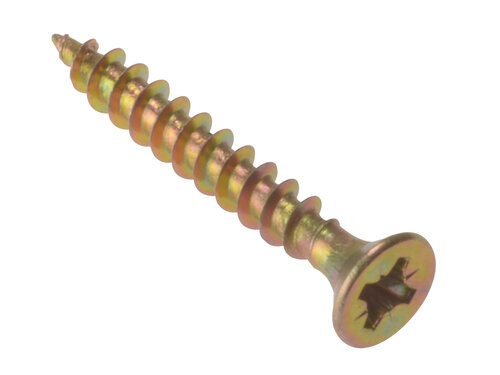
Single Thread Countersunk POZI Screw - 4.0 x 40mm 200 Pack
4.0 x 40mm zinc yellow passivated interior wood screw, 200 pack
For the Trade
Start with the space you’ve got and how the screws will be used. That usually decides the pack before finish or head style does. If access is tight or the job needs a quick turnaround, you want a screw that drives cleanly and keeps the work moving. If the fixing will be exposed or on show, corrosion resistance and appearance move up the list. Call-backs usually come from choosing for convenience first, not for the material or the load.
Decking Screws
For most jobs, you’re not choosing screws first. You’re choosing the fixing that suits the board, the timber, and how much of it will show. Decking Screws are the one to pull when the job is outside and the fixing stays exposed. They’re built around grip and weather resistance, not neat concealment.
Standard screws are usually the cheaper call for general work, but you give up that extra protection. Most call-backs start when the wrong screw goes into a visible, weathered fixing and gets treated like a general-purpose fastener.
Drywall Screws
Drywall screws are the ones you pull when the job is board fixing, not general mixed-site work. The main call is thread and head style. Fine-thread versions usually suit metal stud work. Coarse-thread types are the better shout into timber.
Get that wrong and you end up fighting the board or stripping the fixing. If you only need one narrower line from this range, Drywall Screws are the ones to pick for that job.
Flooring Screws
For flooring jobs, you’re usually weighing up holding power, head style and how much bite you want without splitting the board.
That’s why Flooring Screws are the narrower buy when you need a fixing that pulls boards down firmly and stays put under movement. General screws can suit lighter internal work. Flooring types are built for that pull-down job, not as the all-rounder for the rest of the fit-out.
Hinge Screws
Hinge screws are the ones you reach for when the fixing matters more than the board or frame around it. You want a screw that sits cleanly, holds the hinge without wandering, and does not chew up the timber when you are lining doors up.
Compared with general screws, they are usually picked for a neater hinge fixing and less movement at the plate. If the hinge sees repeated use or the existing holes are tired, the right screws save you a return visit.
Masonry Screws
Masonry screws are the ones you reach for when the fixing goes into brick, block or concrete and you want a direct screw-in job rather than plugs and separate fixings. The key is the base material and the load the fixing needs to carry. That tells you if a masonry screw is the right call.
They save time on repeat work, but the hole has to be right or they’ll feel rough going in and can chew up the edge. Keep them separate from your general screws and other fasteners. They’re for a specific base, not a catch-all fixing.
Roofing Screws
Roofing screws come down to three things: what sheet you’re fixing, what the substrate is, and whether the head needs to seal first time. On a decent job, the washer and coating need to suit the exposure. That’s where the call-backs usually start, not the screw length.
If you’re fixing into thin metal, you want a screw that bites cleanly without chewing the sheet. Into timber, you’ve got a bit more tolerance, but pull-out still matters. Don’t use general screws here. Roofing work needs the fixing to suit the sheet and the weather, not just hold for the day.
Selection Factors for Screws
The first question is what drives the fixing: load, exposure, or finish. Plain screws are usually the economical call for general internal work. Stainless or coated options make more sense once moisture or corrosion is in play. A cheap screw that stains or snaps is the one you end up replacing twice.
Head style matters as well. You may need a cleaner finish, quicker drive, or better pull-down, depending on the job. If the fixing needs are broader, Fixings & Fasteners is the next stop. If a driven fixing suits the job better than a threaded one, look at Nails.
Finish the Room
Once the main screws are sorted, the next call is what finishes the job around them. If you are lining out a room, the board or panel choice matters more than the fixing count. A poor substrate brings movement and callbacks.
Where the job includes trims, screens or access panels, choose the fixing to suit the finish you are leaving behind. Neat heads, cover caps and the right holding power save time later. For heavier assemblies, do not try to make screws do the work of proper fixings. That is when you move into the right fasteners rather than forcing a compromise.
Related searches
Local availability for Screws



















