Contact Adhesives
Contact adhesives are the pick when you need an instant bond and don’t want to clamp or wait around. The main choice is usually between brush-on, spray and solvent-free versions. Brush-on gives you more control on smaller jobs. Spray is quicker over larger areas. Solvent-free is the one to reach for where fumes or site rules matter more than outright speed. Fast-drying grades save time, but they leave you less room to reposition, and that’s where the call-backs usually start.
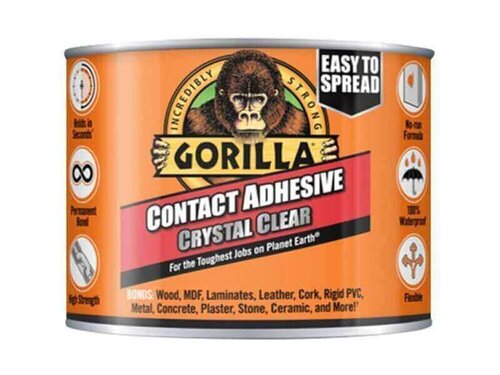
Contact Adhesive, Tin - Crystal Clear All Purpose Glue for Indoor & Outdoor Proj…
250ml tin of crystal clear Gorilla contact adhesive, waterproof and no-run formu…
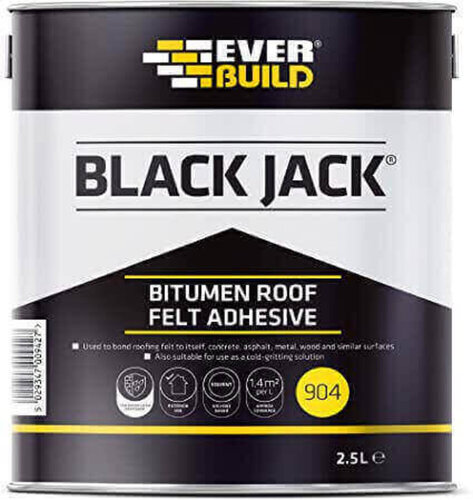
Everbuild Felt Adhesive - 2.5L
Black roof felt adhesive, 2.5 litres, 1.4m² coverage
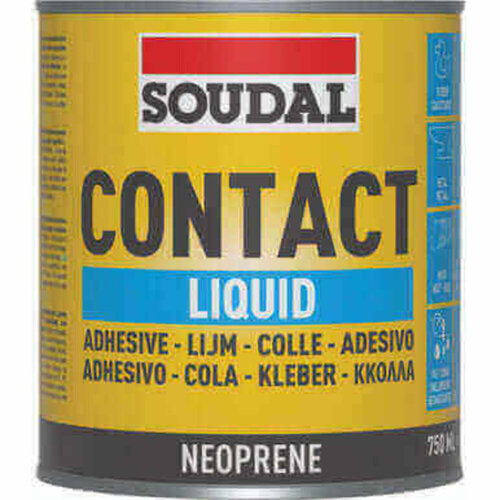
Soudal Contact Adhesive Liquid - 750ml Yellow
Yellow contact adhesive in 750ml metal tin for a variety of bonding applications…
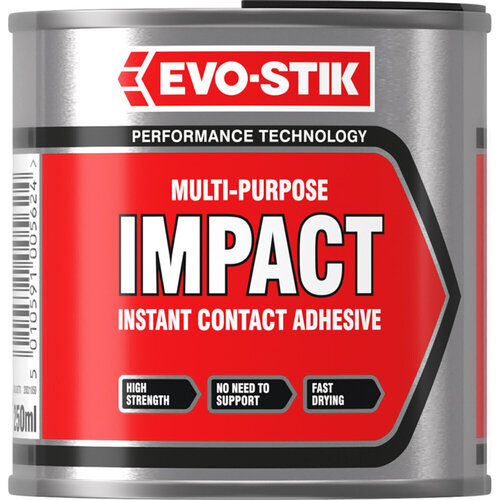
Evo-stik Contact Adhesive - 250ml
250ml contact adhesive for bonding most materials, interior and exterior
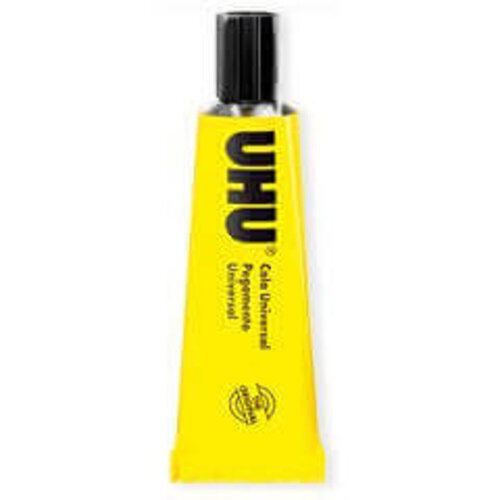
UHU All Purpose Adhesive - 35ml
Fast, crystal-clear universal adhesive for home, office, school and modelling.
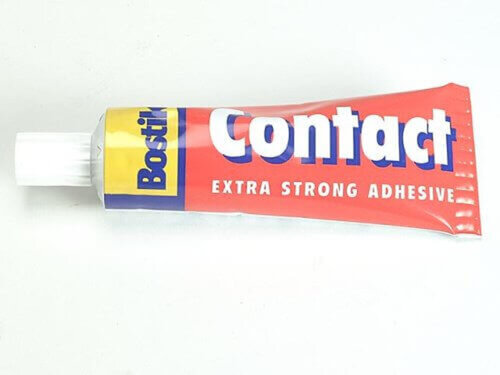
Bostik Contact Adhesive Blister - 50ml
50ml contact adhesive for household repairs
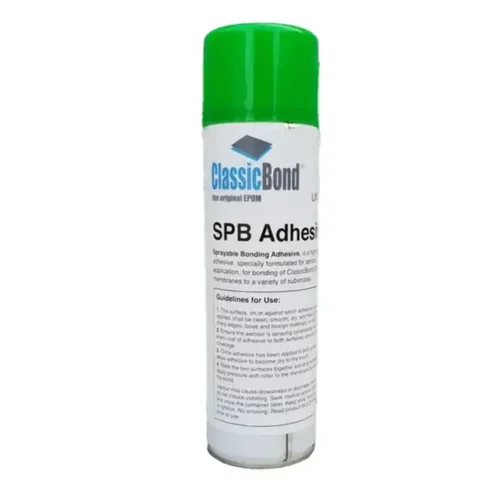
Classicbond Sprayable Bonding Adhesive Aerosol - 500ml
Sprayable bonding adhesive aerosol, 500ml
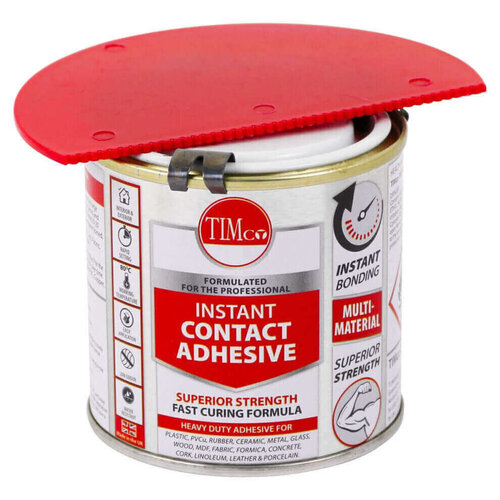
Timco Instant Contact Adhesive Liquid - 250ml
250ml instant contact adhesive liquid
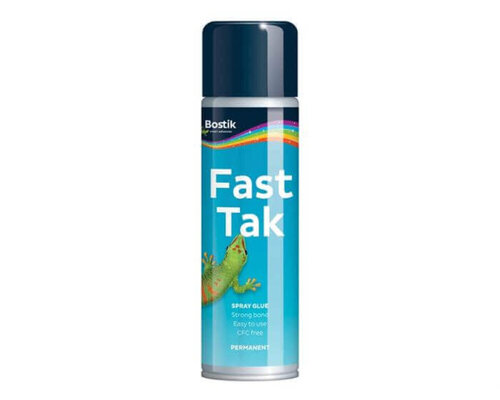
Bostik Fast Tak Permanent Adhesive Spray - 500ml
500ml permanent aerosol spray adhesive for crafts and repairs
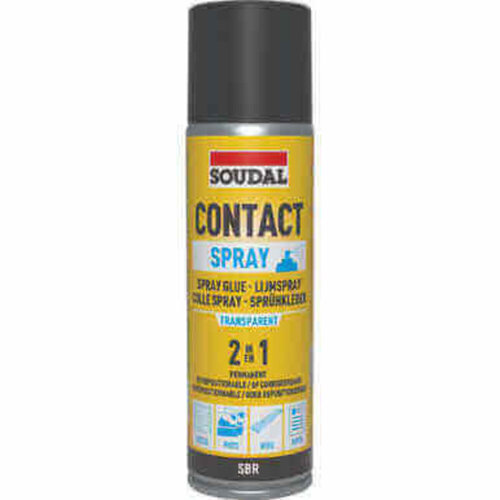
Soudal Contact Adhesive Spray - 300ml transparent
Ready-to-use clear universal contact adhesive spray, 300ml
For the Trade
Start with the space you’ve got and how the job will be used, because that usually decides more than the label on the tin. Tight access, awkward edges and small fixings tend to suit a brush-on contact adhesive. Larger areas or repeat work may justify a spray grade if you need to cover fast and keep the finish even. Solvent based contact adhesive is still the one many lads reach for when they want a firmer, quicker grab. Solvent free contact adhesive can be the better call where fumes or site rules matter. If the bond has to take heat or movement, check that before you price on convenience alone.
Popular Contact Adhesive Formats
Brush-on contact adhesive suits smaller, fiddly work where you want the glue exactly where you put it. It gives you control, but it slows you down on bigger runs.
Spray contact adhesive is quicker on broad areas and awkward shapes. You trade some control for speed, so masking needs to be tidier.
Solvent based contact adhesive is still the one many trades reach for when they want a firmer, faster grab. Solvent free contact adhesive makes more sense where smell or site restrictions matter, but it can feel less forgiving.
If you’re comparing options across Adhesives & Glues, that’s usually the split that decides it.
Key Differences When Choosing
Start with what you’re bonding and how much working time you need before it grabs. Contact adhesives suit jobs that need an immediate bond, but the format still matters. Spray grades cover wider, flatter areas faster. Brush-on versions give you more control on smaller or awkward work.
Solvent based contact adhesive is still the one many trades reach for when they want a firmer, quicker set. Solvent free contact adhesive makes more sense where smell or site restrictions shape the job. On trim or laminate, you usually want neat coverage rather than bulk. For mirrors, look at Mirror Adhesives. For floors and carpets, Flooring & Carpet Adhesives is the better fit.
Next Decisions After Choosing
Once you’ve picked contact adhesives, the next decision is what else is going into the job around it. If you’re fixing decorative panels, trims or laminated finishes, sort the adhesive before you order the matching finish materials. A poor substrate or the wrong edge detail is what usually brings the call-back, not the glue itself.
Where the job moves into floors, carpets or mirrors, keep those on their own spec rather than trying to make one adhesive do everything. The adhesive may be right, but the surrounding finish still has to suit the surface and the load.
Related searches
Local availability for Contact Adhesives










