Super Glue
Super glue is the one you reach for when the fixing is small, the fit is close and you need it to grab quickly. Gel gives you more control on vertical or awkward work, while liquid will wick into tight joints and hairline cracks. Liquid can run if you are not careful, and thicker grades are less forgiving on very fine gaps.
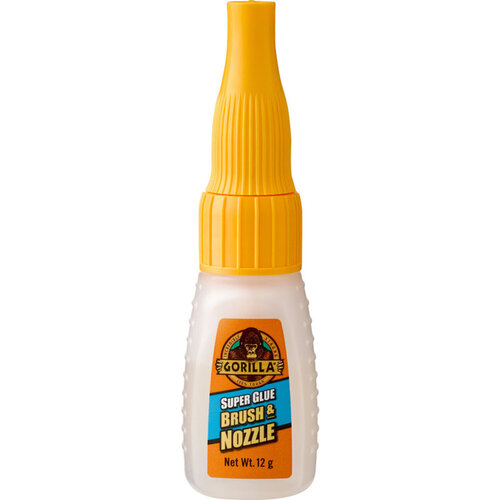
Gorilla Super Glue Brush & Nozzle - 12g
12g instant super glue with brush & nozzle, sets in 10-45 seconds
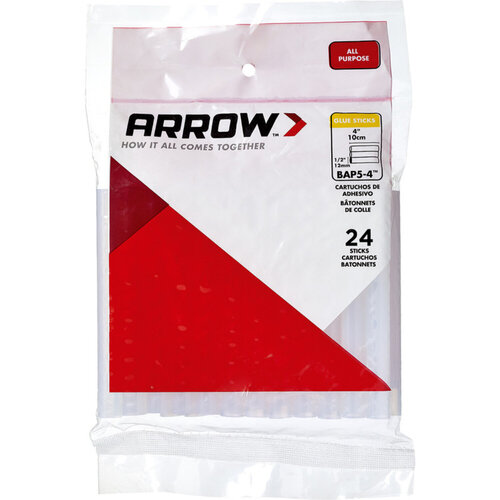
Arrow Glue Sticks - 4 Inch 24 Pack
24-pack of 4-inch all-purpose glue sticks for Arrow glue gun
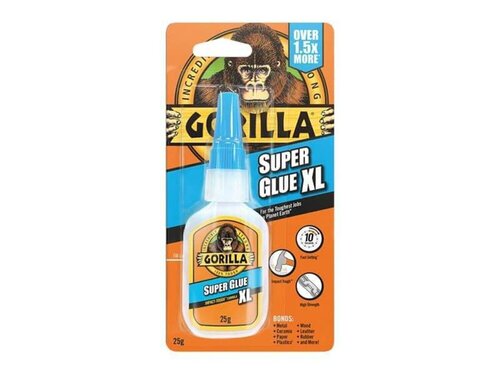
Gorilla Super Glue XL 25g - Clear
Clear super glue with high strength and quick set time, 25g.
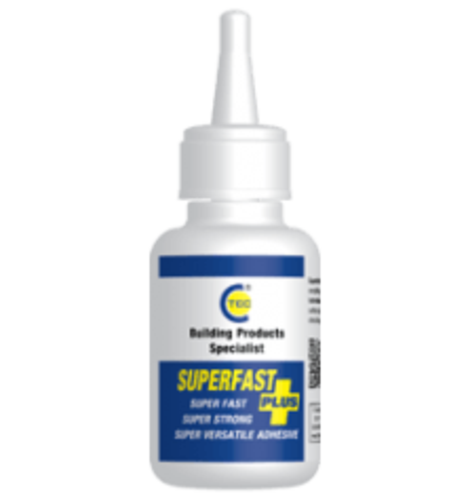
C-Tec Superfast Plus Superglue - 20ml
Clear, fast-working superglue for multiple surfaces, 20ml.
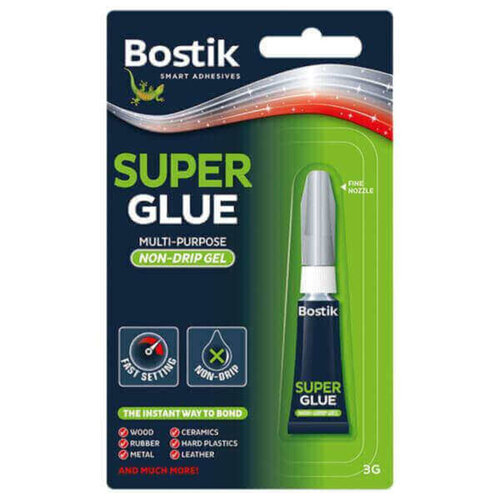
Bostik Super Glue Non Drip Gel - 3g
Bostik Super Glue Non Drip Gel, 3g tube
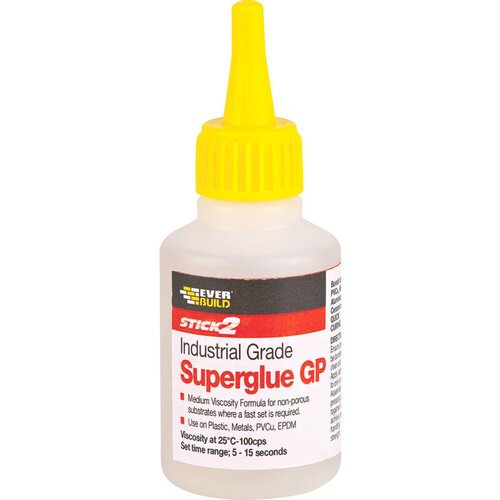
GP Super Glue - 20g
Medium-viscosity super glue 20g, bonds non-porous surfaces in seconds
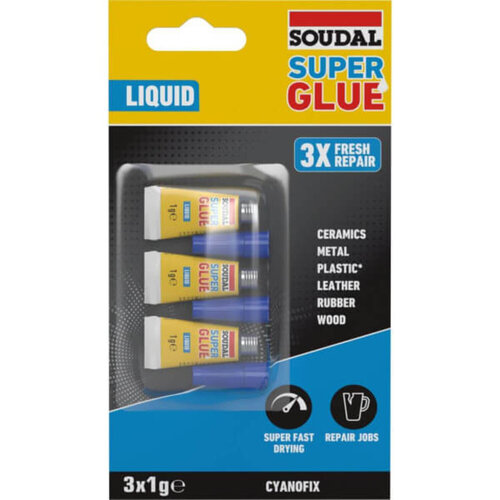
Soudal Sekundenkleber LIQUID Super Glue - 3x1g
Solvent-free cyanoacrylate super glue for fast, precise repairs – 3x1g pack
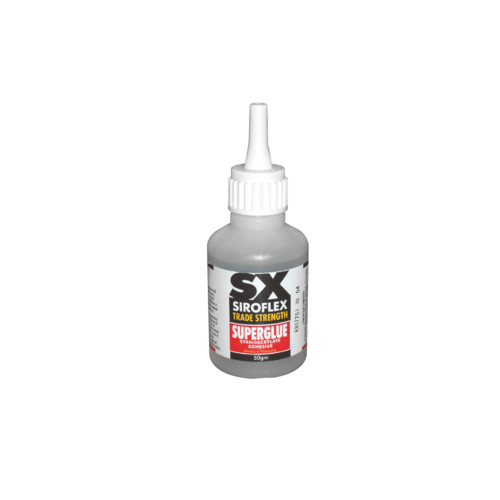
Unicrimp SX Trade Strength Superglue - 50g
50g instant grab hybrid adhesive sealant for interior and exterior use
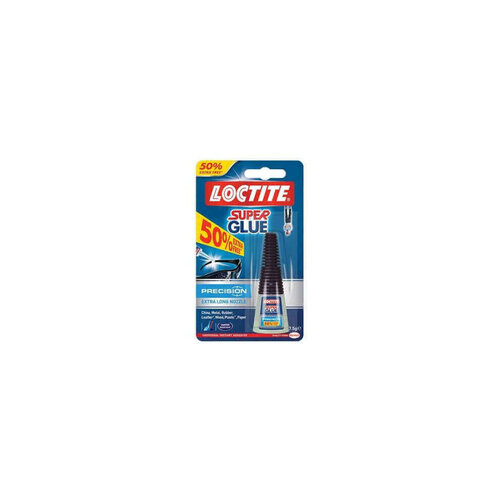
Loctite Precision Super Glue - 7.5g
High-performance instant super glue, 7.5g tube
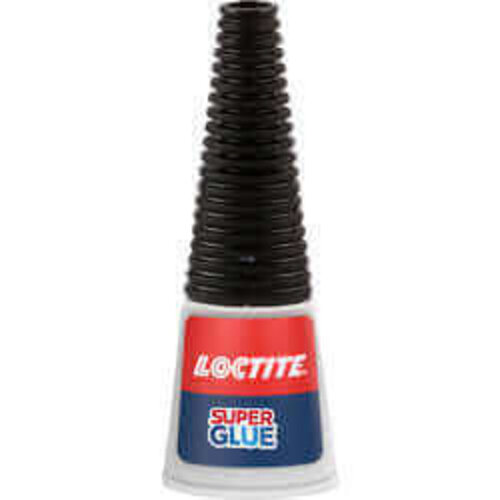
Loctite Super Glue - 5g
Loctite super glue for instant bonding (5g)
For the Trade
Start with the space you’ve got and how the fixing will be used, because that usually decides the bottle before anything else. On a small repair where you need the bond to grab quickly, super glue is the one most trades reach for. If you need more working time or a bit of body, the gel version is usually the better pick. Jobs that get called back are often the ones where the glue did not suit the joint, so check access, gap size and how much adjustment you need before you worry about anything else.
Popular Super Glue Formats
Trade super glue is the one you pick when the fixing is small and you need it to grab fast. The main choice is between liquid and gel.
Liquid super glue suits close-fitting joints. It runs into the gap and leaves less mess. Super glue gel gives you more control on uneven faces and vertical work, but it grabs a bit slower.
Compared with the rest of Adhesives & Glues, this is the fast-bond option. It is not the one for filling or long open time.
Key Differences When Choosing
Start with the joint and the finish you need, not just the grab time.
Thin liquid suits close-fitting parts where the bond line is tight. It moves fast, so you give up a bit of control.
A gel version is the better call where the surface is uneven or you need the glue to stay put. It will not wick into a fine joint the same way.
For mirror work, step over to Mirror Adhesives. For larger contact area or laminating-type fixes, Contact Adhesives is the more sensible buy.
Next Decisions After Choosing
Once you’ve picked super glue, the next call is what else is going into the fixing around it. If the job needs a cleaner finish or a different bond line, you’ll often move to a mirror adhesive or a contact adhesives spec instead.
Super glue is fine for small, fast repairs. It is not the answer where the fixing area is broad or the load is awkward.
The usual mistake is reaching for the fastest glue when the surrounding material wants a different adhesive altogether. Check that before you open the tube.
Related searches
Local availability for Super Glue














