Wood Glues
Wood glue is the one you pick when you need a proper timber bond, not a grab or a spot fix. For interior work, standard wood adhesive is usually the economical call. If the job goes outside or may see moisture, move up to a waterproof or exterior grade. Quick drying versions save time on the bench, but they give you less room to adjust.
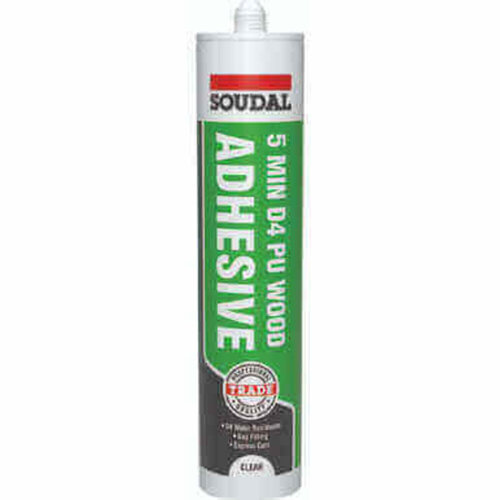
Soudal 5 Minute D4 Wood Adhesive Gel - 290ml Clear
Clear 5-minute D4 wood adhesive gel, 290ml
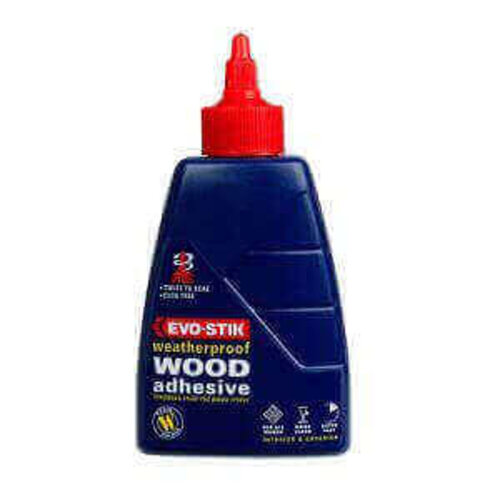
EVO-Stik Wood Glue Exterior - 250ml
EVO-Stik Exterior Wood Glue 250ml, fast setting, clear and weatherproof.
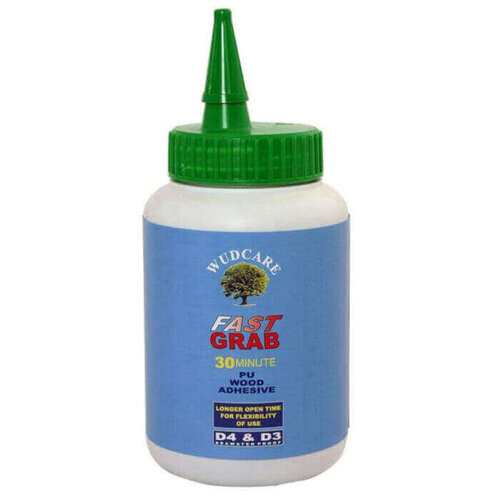
Fast Grab 30 Minute Wood Adhesive - 500ml Blue
Fast Grab 30 Min Wood Adhesive, waterproof to EN 204 D4, 500ml
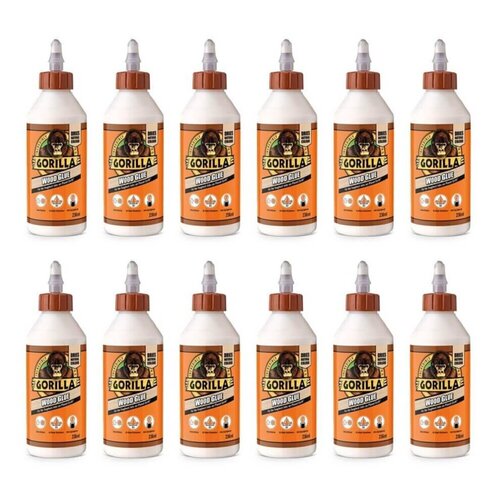
Gorilla Wood Glue 236ml - Pack of 12
Pack of 12 x 236ml wood glue bottles
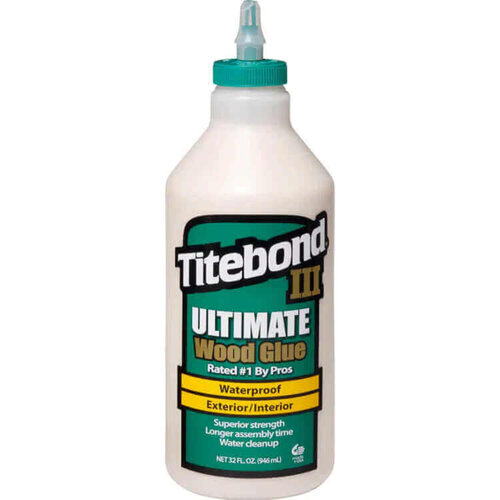
Titebond III Ultimate Exterior Wood Glue
Waterproof one-part wood glue for interior/exterior use, ANSI/HPVA Type I certif…
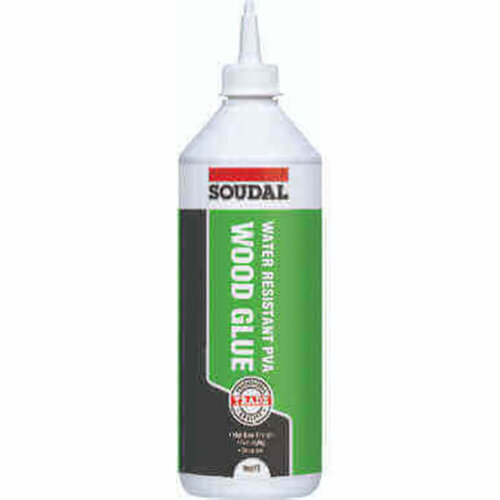
Soudal Water Resistant D3 Wood Adhesive - 1L White
White PVA wood adhesive, water resistant to D3, interior and exterior
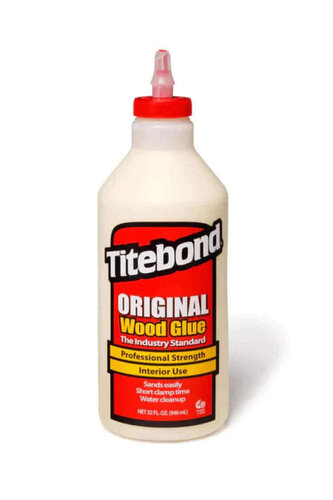
Titebond Original Wood Glue - 946ml
946ml wood glue for wood, hardboard, leather and porous materials
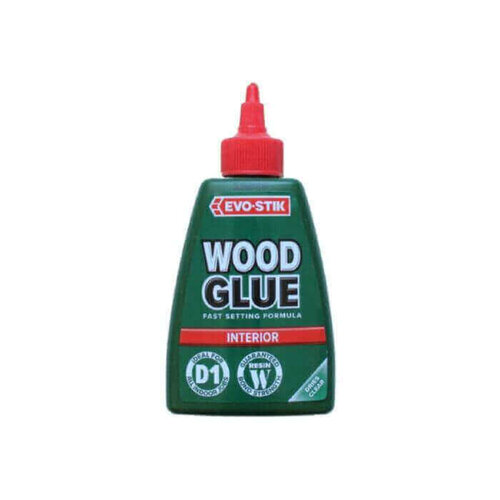
EVO-Stik Resin 'W' Interior Wood Adhesive - 250ml Green
Interior wood adhesive that dries clear and bonds stronger than wood
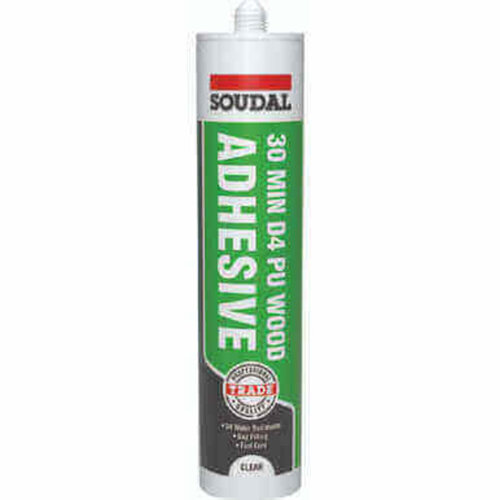
Soudal 30 Minute D4 Wood Adhesive Gel - 290ml Clear
Clear, 30-minute polyurethane wood adhesive gel with D4 water resistance, 290ml
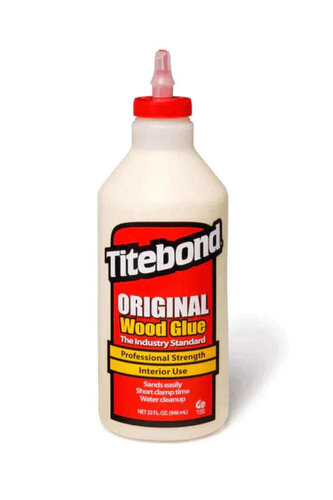
Titebond Original Wood Glue - Box of 6
Professional woodworking adhesive, sets fast and bonds stronger than wood
For the Trade
The first question is how much time you’ve got before the joint needs to be handled. Quick drying wood glue suits jobs where you’re chasing the programme. A slower set gives you more time to pull a frame or panel square. After that, check the exposure and the timber itself. Waterproof wood glue or exterior wood glue is the call where moisture is part of the job. Standard wood adhesive is usually the more economical pick where conditions are controlled. Most call-backs come from the wrong set time or the wrong grade, not the name on the tube.
Wood Glue Types and Layouts
Start with the job, not the label. Carpenter's glue is the usual pick for general joinery when you want a clean, reliable bond and normal open time.
Joiners glue says the same thing on site. It is just the name some lads use for the same sort of work.
Joinery adhesive comes in when the spec or job sheet is more exact, or when you want to separate it from a basic wood adhesive. For exterior work, move up to exterior wood glue or waterproof wood glue. That is where the failure risk changes.
If you are comparing it with the rest of Adhesives & Glues, the main question is whether you need a timber bond or a different fixing method altogether.
What to Check Before You Buy
The first question is usually whether you need a standard wood adhesive or something with more bite. PVA wood glue is the normal pick for clean timber joints and general bench work because it gives you a predictable bond and easy cleanup. Quick drying wood glue suits jobs where you want the clamp off sooner and can work within a shorter open time.
Go for waterproof wood glue when the joint may see moisture or exterior exposure. You give up a bit of convenience, but you avoid using an interior grade product where it shouldn’t be.
If the fixing is more about holding trim or panels in place than a true glued joint, Grab Adhesives may be the better shout. For mirrors and other awkward surfaces, Mirror Adhesives is the one to look at instead.
Useful Alongside Wood Glues
Once you’ve picked the wood glue, the next call is what sits around the joint. On cabinets, panels or fitted furniture, you often need a cleaner edge and a finish that does not work against the glue line.
Where timber is left exposed, the surrounding finish matters more than another tube of adhesive. That is the bit that gets missed. If the timber is moving, or the room is damp, check whether the rest of the build needs something more forgiving than standard wood glue.
Local availability for Wood Glues











