Adhesives & Glues
When you’re choosing adhesives & glues, start with the job, the surface and how much time you’ve got before it sets. A quick drying adhesive helps when the programme’s tight. A multi-purpose adhesive is the usual pick when you’re covering mixed materials and don’t want three tubes on the van. If the fixing has to cope with movement or damp, that changes the call again. The callbacks usually come from picking on grab alone, without thinking about the substrate or the finish you need.
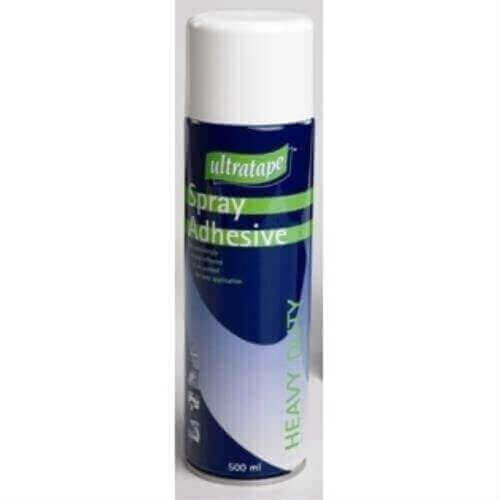
Ultratape Spray Adhesive Heavy Duty for Carpets - 500ml
Heavy duty spray adhesive for carpet and flooring installation, 500ml
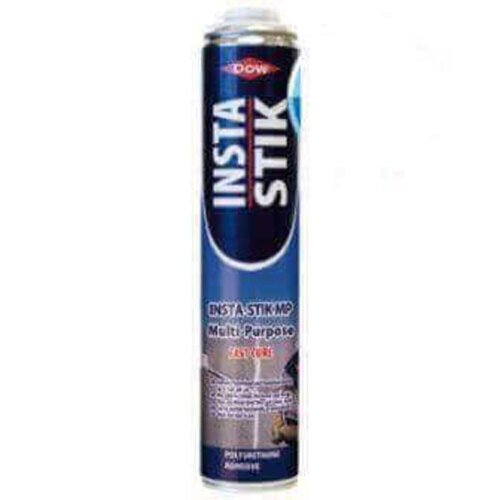
Dupont Insta-Stik Gun Applied Multi Purpose Adhesive - 750ml
Multi-purpose gun applied foam adhesive, 750ml
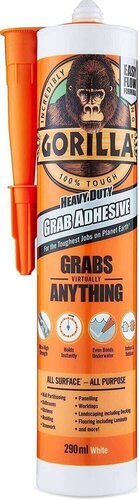
Gorilla Glue Grab Adhesive - 290g
290g grab adhesive for strong bonding across various materials and applications.
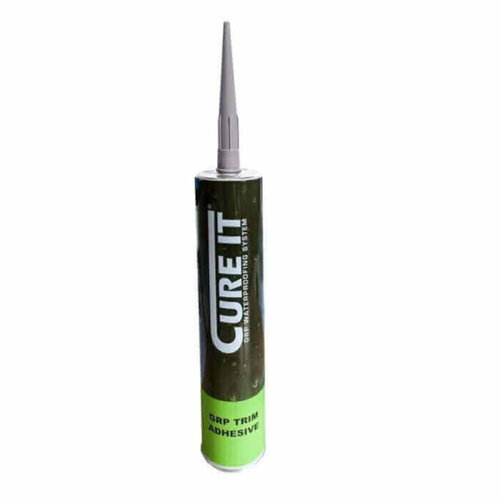
Cure IT Polyurethane Trim Adhesive - 310ml Grey
Grey polyurethane trim adhesive for GRP edge trims and roofing, 310ml tube.
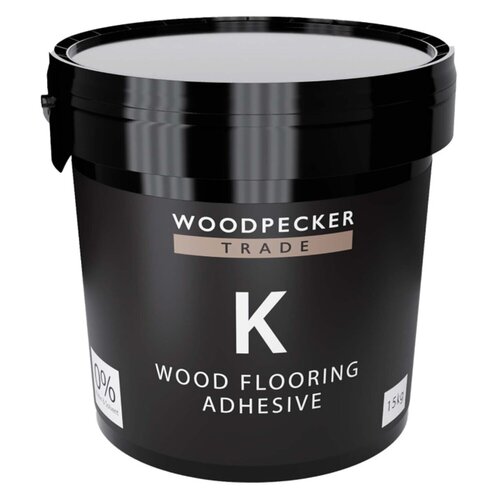
Flexible Wood Flooring Adhesive - 15kg
15kg flexible wood flooring adhesive for engineered and solid wood flooring.
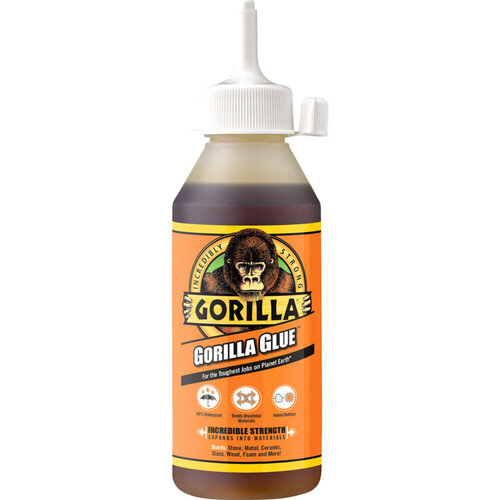
Gorilla Glue - 250ml
250ml waterproof polyurethane glue that expands to bond strongly to virtually an…
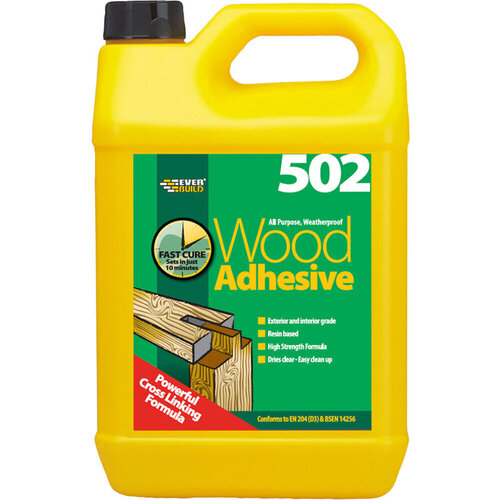
Everbuild 502 Interior & Exterior PVA Wood Glue - 5L
Fast-drying clear PVA wood glue, EN 204 D3 rated, interior/exterior, 5L
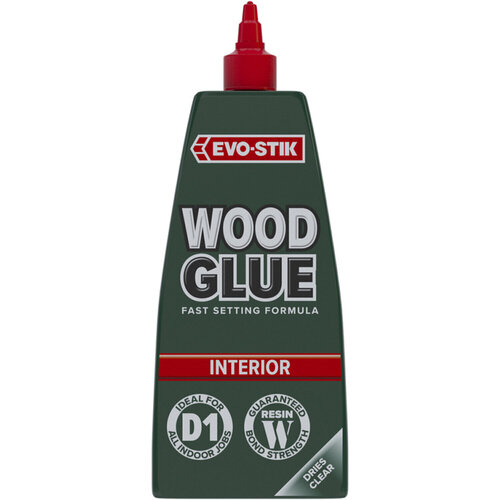
Evo-stik Interior Resin Wood Glue - 500ml
Evo-Stik interior wood glue, fast setting, dries clear, 500ml
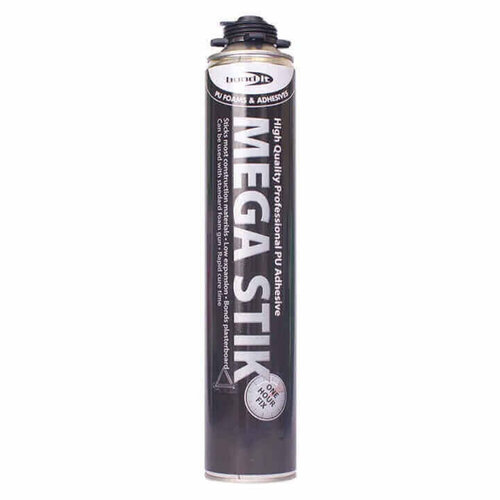
Bond IT Mega Stik PU Adhesive - 750ml
PU adhesive foam for rapid plasterboard and board installation
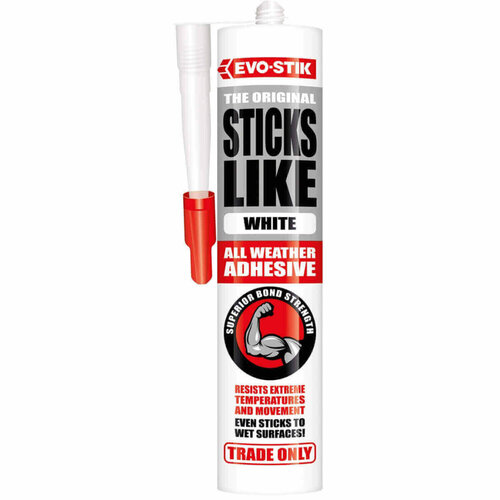
EVO-Stik Sticks Like All Weather Adhesive
290ml all-weather polymer grab adhesive in white
For the Trade
Start with the space you’ve got and how the fixing will be used, then narrow the rest from there. On a tight job, a quick drying adhesive saves waiting, but it gives you less time to adjust. Where the bond needs to cope with movement or mixed materials, a flexible adhesive is usually the safer call, though it may not suit every rigid fixing. If you need a Sealants & Adhesives counter check, that’s the point to step back and compare the rest of the range. The jobs that get called back are usually the ones where the adhesive was picked for convenience, not for the surface and the load.
Contact Adhesives
For most jobs, the question is whether you need fast tack, a bit of working time, or a bond that can take movement once it’s cured. That’s where Contact Adhesives come in.
You use them when both faces need coating and you want an immediate grab, not a wet bed you can keep moving. Compared with a flexible adhesive or a quick drying adhesive, you give up repositioning time. In return, you get a firmer initial hold.
I’d usually point you here for laminates, trims and other fixes where a slipped joint is what causes the comeback.
Flooring & Carpet Adhesives
If you need a straightforward bond and less faffing about, a multi-purpose adhesive usually does the job. When the joint needs to move, a flexible adhesive is the better pick.
Quick drying adhesive helps when time is tight, but it cuts your working time and that is where errors creep in. For flooring work, Flooring & Carpet Adhesives is the narrower range to use when you need the right grab and finish underfoot.
Grab Adhesives
Grab adhesives are the ones you reach for when you need the fixing to hold while you’re still working, not after a long clamp-up. They suit trims, boards and site fixes where you want a strong initial grab and less faffing about with support.
The trade-off is simple. You give up some repositioning time, so they are not the pick if you need to slide parts around after contact. If the job is about instant hold rather than a slow set, Grab Adhesives are the narrower buy within adhesives & glues.
Mirror Adhesives
Mirror fixes are usually picked when you need a clean hold and don’t want the fixing showing through the glass. In adhesives & glues, that means checking the backing, the weight, and whether the mirror is going onto a surface that may move a bit.
A flexible adhesive is often the better call where there’s a bit of give. A quicker set suits jobs where you don’t want the panel wandering before it bites. The usual mistake is using something that grabs too hard too soon and leaves no room to line it up properly.
Plasterboard Adhesives
Plasterboard adhesives come down to the board, the background and how much adjustment you need before it bites. If the wall is reasonably true and you want a cleaner, faster fix than dot-and-dab with a bagged mix, this is the one you reach for.
You still need to think about weight and suction, because a board that sags or skates is the one that gets called back. Compared with other adhesives & glues, you’re buying a product for that one job, not a general fixing. If the spec is moving into other areas, leave this range alone and pick the right child category instead.
Super Glue
Super Glue is the one you reach for when the joint is small, the fit is tight and you want it set fast. It suits repairs where a thin bond line matters more than open time, so it sits apart from the more forgiving adhesives & glues range.
The trade-off is simple. You get speed and a neat finish, but you lose working time and any tolerance for a poor fit. It comes down to clean surfaces and whether you can hold the parts steady for a few seconds.
Selection Factors for Adhesives & Glues
Start with what the fixing has to do, not just the material name.
If the bond has to hold in damp or exposed conditions, waterproof adhesive is usually the call. The trade-off is less working time and a harder clean-up.
For mixed materials or jobs with slight movement, flexible adhesive is often the better fit. A rigid bond is where callbacks start.
If the job is mostly repairs and you want one product to cover a few small tasks, multi-purpose adhesive can save carrying several tubes. It rarely beats a specialist on awkward substrates.
Where the spec is broader and you need related prep or finishing materials, Aggregates & Chemicals is the next stop.
Finish the Room
Once you’ve picked the adhesive, the next call is usually what finishes the rest of the job around it. On a fit-out, that might mean panels, screens, storage, or the wall finish going in after the fixing work.
If you’re using adhesives & glues in a room with movement or moisture, the surrounding products need to suit the same conditions. A quick set keeps the job moving, but it gives you less time to adjust, so the rest needs to be ready before you commit.
Related searches
Local availability for Adhesives & Glues