Additives & Plasticisers
When you’re choosing additives and plasticisers, start with what the mix needs to do - more workability, less water, or tighter control in the finish. A plasticiser for mortar is the usual call for general brickwork, while concrete additives are picked when the mix needs handling differently on site. Get the grade wrong and you’ll soon see it in the mix: too much water, a weak batch, or material that doesn’t behave as expected.
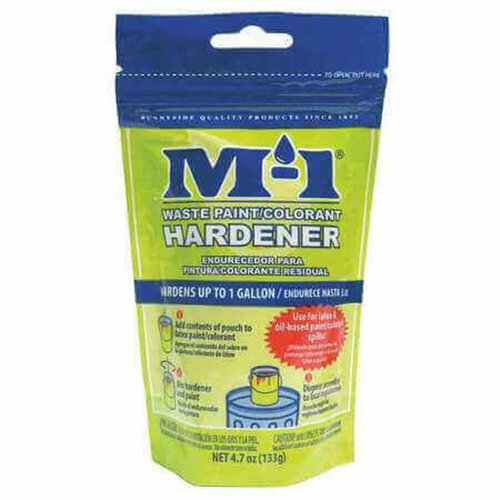
Sunnyside M-1 Waste Paint Hardener - 4.7oz
Sunnyside M-1 waste paint hardener for oil and latex paints, 4.7oz
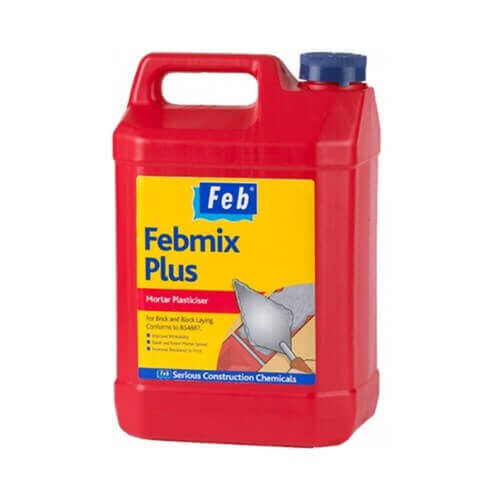
Sika Febmix Plus Mortar Plasticiser - 25L
25 litre liquid mortar plasticiser for improved workability and frost resistance
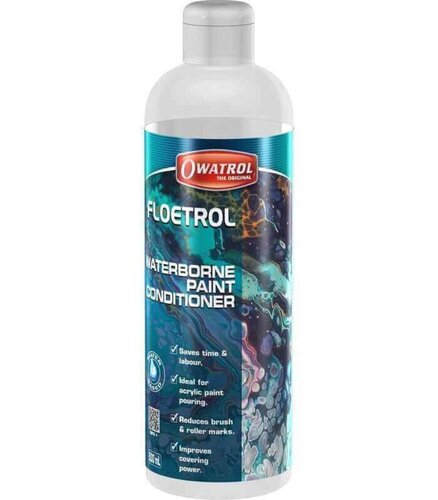
Owatrol Floetrol Waterborne Paint Conditioner - 500ml
Water-based paint conditioner, improves flow and workability, 500ml.
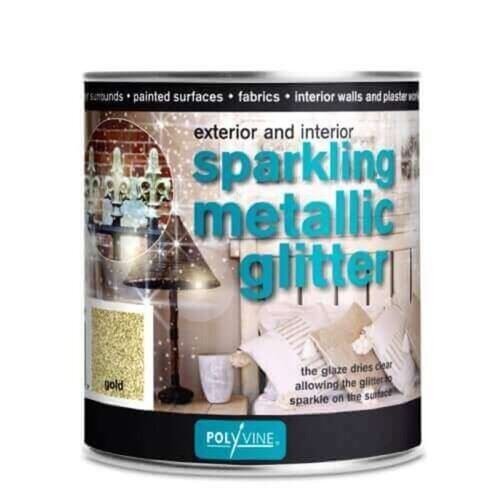
Polyvine Sparkling Metallic Glitter
Clear metallic glitter glaze for interior and exterior surfaces, fast-drying
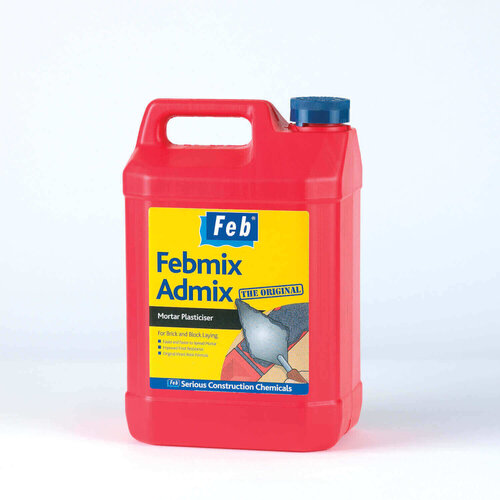
Febond Febmix Admix the Original Mortar Plasticiser - 5L
5L original Febmix Admix mortar plasticiser
Everbuild Opti-Mix 3-in-1 Plasticiser, Waterproofing Agent & Salt Inhibitor Supe…
3-in-1 concentrated plasticiser, waterproofing & salt inhibitor for render, 1L
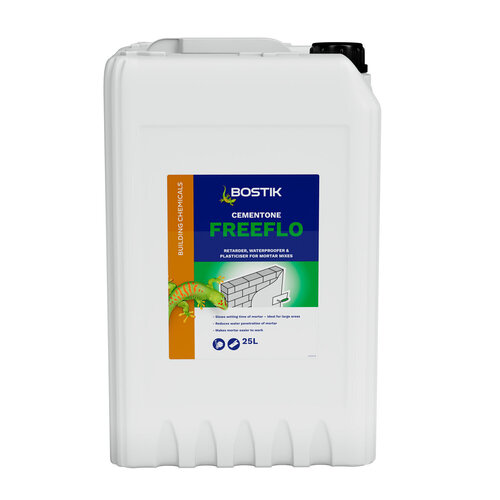
Bostik Cementone Freeflo Waterproofer, Plasticiser & Retarder - 25L
25L liquid admixture for waterproofing, retarding and plasticising cement mixes
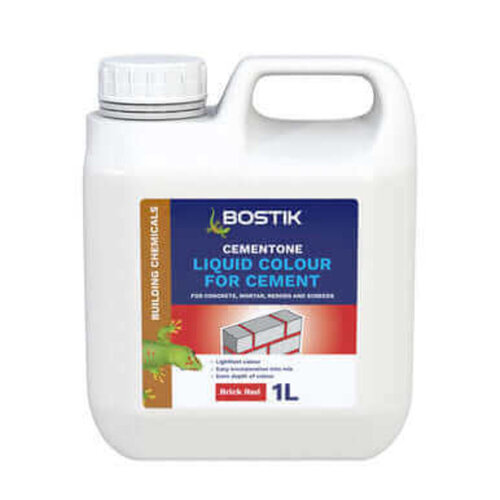
Bostik Cementone Liquid Cement Colour - 1L Red
1L red liquid cement colour, EN 12878 compliant, for mortar, render and screeds.
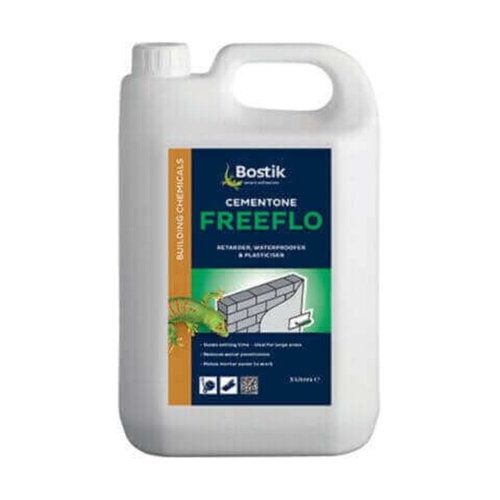
Bostik Cementone Freeflo Retarder, Waterproofer & Plasticiser - 5L
5L orange retarder, waterproofer & plasticiser for pebble dashing and rendering

Vanilla Bean Fragrance Packet - 1 oz Multicolour
1 oz vanilla bean fragrance packet.
For the Trade
Start with the space you’ve got and how the mix needs to behave on this job, then narrow additives and plasticisers from there. If you need more working time or easier handling, you’ll usually be looking at a different mix aid than if the brief is just to improve flow without over-wetting it. Concrete additives and mortar additives are often chosen for different reasons, and that’s where jobs go wrong - people buy on the label instead of the mix requirement. On site, the usual tell is whether you need the mix to move better, hold together better, or suit a tighter programme.
Additives & Plasticiser Options Compared
For additives and plasticisers, start with the mix you’re trying to improve. A plasticiser for mortar is the usual pick when you want better workability without making the mix too wet. A plasticiser for concrete does the same job in a stiffer concrete mix.
That’s the main split. Mortar grades suit bricklaying and pointing. Concrete additives are more often used where the mix needs to move and compact properly. If you’re comparing options in Aggregates & Chemicals, that’s the first call to make.
Choosing Materials and Size
What usually decides it is the mix you’re trying to keep moving and how much water you can afford to lose. Lighter liquid grades are usually picked when you want better flow without making the mix sloppy. Stronger water-reducing types suit tighter mixes where slump matters more than extra open time.
If you’re working to a stiffer spec, PVA Sealers sit in a different lane altogether. Water Seal is the one you’d look at when the job is about surface protection rather than mix behaviour. Buying on the label is the usual mistake. The mix can still feel wrong on the day.
Completing the Setup
Once you’ve picked the right additives and plasticisers, the next call is what else is going into the same area and what finish has to sit around it. If you’re already using PVA sealers or a water seal on the job, keep the rest of the spec in step so you’re not mixing products that work against each other.
A lot of call-backs come from that sort of mismatch. The mix is fine, but the surrounding finish or prep product isn’t. Keep the additives and plasticisers tied to the actual substrate and the rest of the system, not just the bag you’ve got left on the wagon.
Related searches
Local availability for Additives & Plasticisers











