PVA Sealers
A pva sealer is usually the call when you need a quick primer coat before plaster, render or patching. The mix you pick depends on how thirsty the background is and how much grab you want left behind. A thinner mix suits porous surfaces that just need sealing back. A heavier coat leaves more film. That can help on dusty patches, but it’s not the one to force into every job.
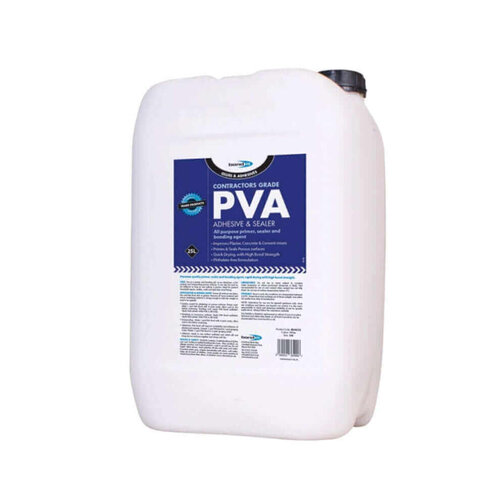
Bond IT Contractors Grade PVA - 25L White
25L white contractors PVA adhesive for plaster, timber and more.
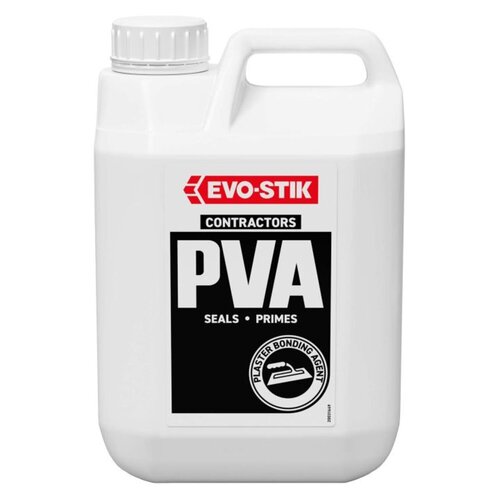
EVO-Stik Contractors PVA - 5kg
5kg EVO-Stik Contractors PVA for internal and external plastering
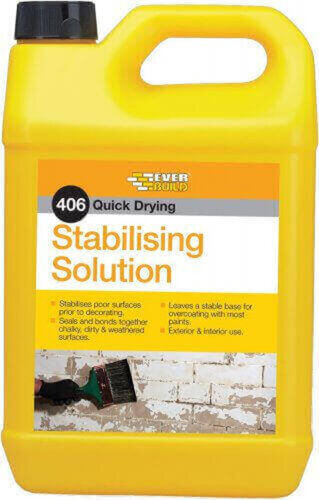
Everbuild 406 Stabilising Solution - 5L
Everbuild 406 stabilising solution for dusty and weathered surfaces, 5L
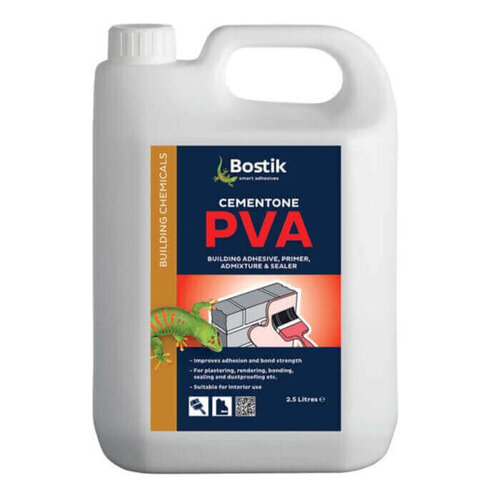
Bostik Cementone Rendabond PVA Adhesive & Sealer 5 to 1 Dilute - 2.5L
2.5L PVA adhesive and sealer for interior building use, dilutable 5 to 1.
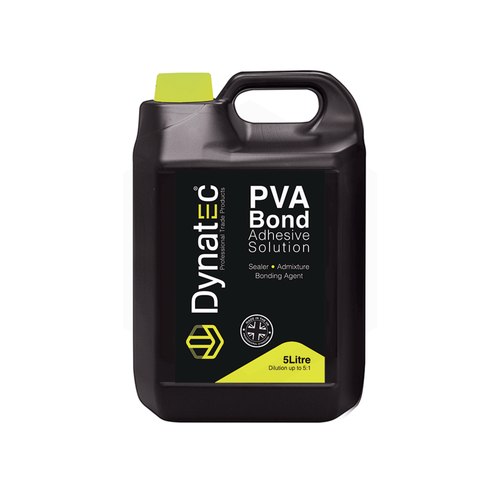
Dynatec PVA Bond - 5L
5 litre PVA bonding agent for construction sealing and priming
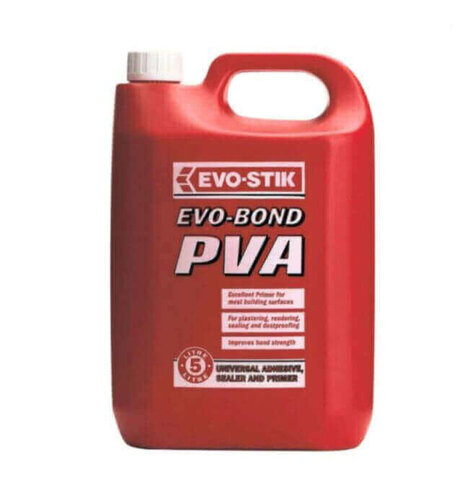
EVO-Stik Super Evo-Bond PVA - 5L
Multi-purpose PVA adhesive, primer, sealer and dustproofer, 5 litres
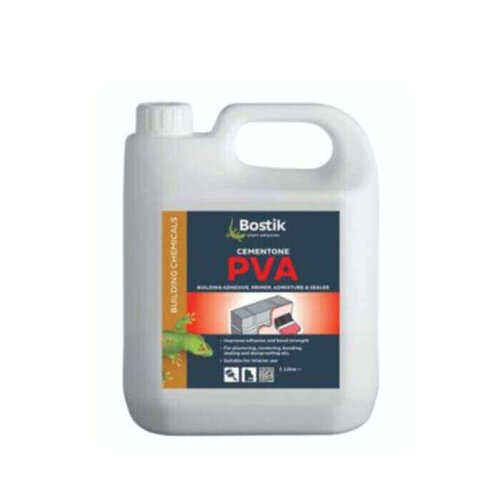
Bostik Cementone Rendabond PVA Adhesive & Sealer - 1L 5 to 1 dilute
Bostik PVA adhesive & sealer, 1 litre, interior primer and bonding agent
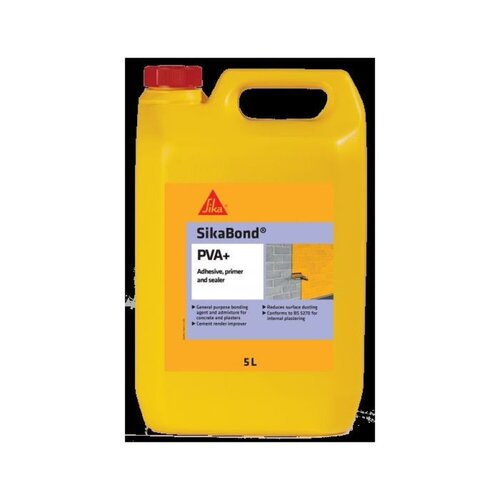
Everbuild Sikabond PVA Glue - 5L
5 litre multi-purpose PVA glue for bonding, priming and sealing
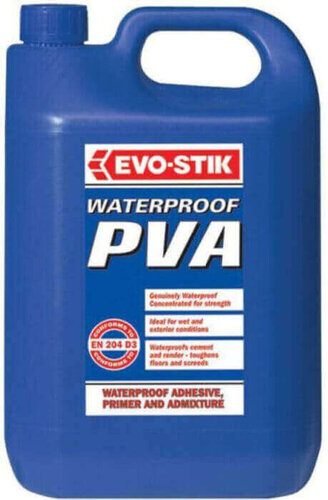
Evo-Stik Waterproof PVA - 5L
Waterproof PVA for sealing, waterproofing, and toughening floors and cement
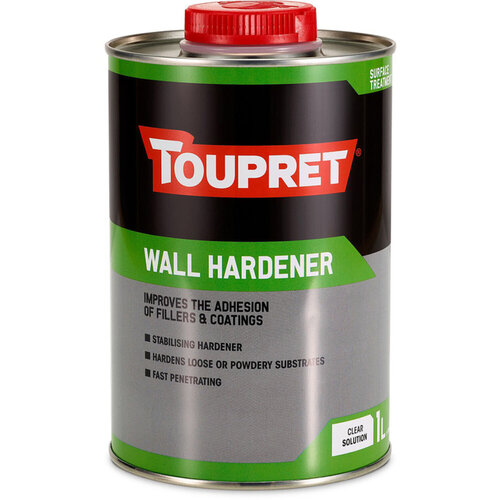
Toupret Wall Hardener - 1L
1L clear stabilising wall hardener for interior and exterior surfaces
For the Trade
What matters first is what you’re sealing and how far you need it to go. On a porous wall or floor, you want a pva sealer that pulls in enough to bind the surface without leaving it glossy or slow to take the next coat. If the job is patchy, or the substrate is still dusty, a stronger pva adhesive sealer is usually the call, but you give up some working time. Timber is different, so a pva wood sealer can be the cleaner choice there. If you need one product to cover mixed prep on the same job, a general pva primer sealer is the one to reach for.
Types of PVA Sealers
At the counter, the first split is usually between a basic pva sealer and a pva adhesive sealer. The lighter mix suits straightforward priming when you just need to take the edge off suction. The adhesive version gives you more bite from the first coat.
A pva primer sealer sits in the middle for general prep. It works where you want a simple all-round coat, but it is not the one to reach for if the substrate is loose or very dusty. For floors, a pva floor sealer is the clearer pick. You usually want better coverage and less chance of the surface drinking it in unevenly. Aggregates & Chemicals is the parent range if you’re comparing it against the other prep products.
Selection Factors for PVA Sealers
Material choice changes how the job handles and how the finished surface behaves, so start with what you’re sealing.
A standard pva sealer is usually the economical call for general prep. It suits straightforward backgrounds and keeps the job moving. A pva adhesive sealer gives you more bite on dusty or patchy surfaces, but it is less forgiving if you put it on heavy.
Use a pva wood sealer on timber. Wood takes product differently, so the surface and absorption need a separate approach.
If the job moves beyond simple sealing, Additives & Plasticisers and Cement Mix are the next stops.
Finish the Room
Once you’ve picked the right pva sealer, the next call is what goes over it and what still needs finishing around it. If you’re moving straight into plaster or patching, stay with the follow-on products in the same aggregates and chemicals line so you’re not mixing a sealer with the wrong prep material.
Where the job is being finished with panels, screens or storage, the sealer matters less than getting the adjacent finish right. That’s usually where the mismatch shows. Keep an eye on the next coat or filler as well. A job can stall if the surface hasn’t been matched properly.
Related searches
Local availability for PVA Sealers











