Water Seal
A water seal comes down to what you’re sealing and how exposed it is. For brick, stone, render or concrete, you’re usually choosing between a breathable penetrating finish and a heavier water repellent. The trade-off is how much surface change you’ll accept and how much moisture movement you still need to allow. Jobs that come back are often the ones where the substrate was damp, dirty or already sealed, so surface condition matters as much as the product label.
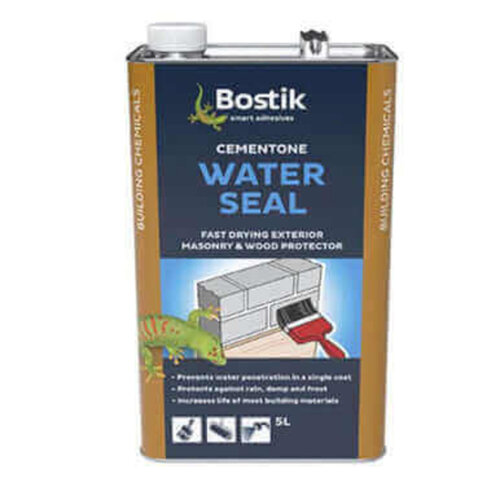
Bostik Cementone Water Seal External - 5L
High-performance exterior waterproofer for porous surfaces, 5L.
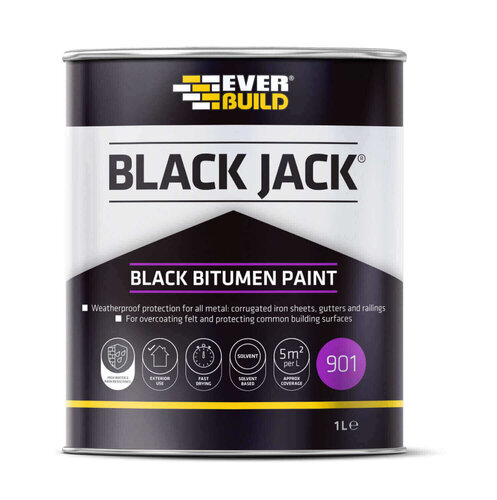
Everbuild Black Jack 901 Bitumen Paint, Black - 1L
Quick-drying bitumen paint for exterior metal and building surfaces
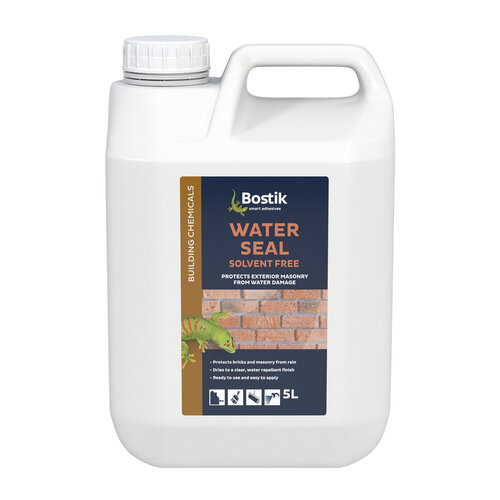
Bostik Exterior Waterseal Solvent Free - 5L
Solvent-free water repellent for porous masonry, 5 litres
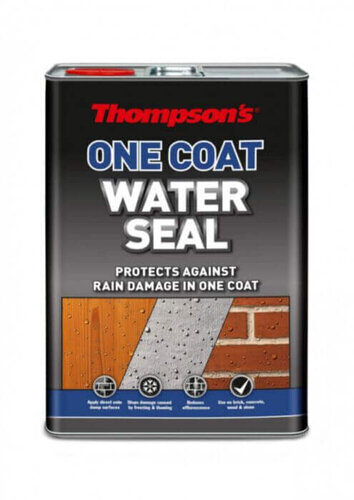
Thompson's One Coat Water Seal - 2.5L
One coat water seal for brick, concrete & stone, 2.5L, dries in 2 hours.
For the Trade
Start with the space you’ve got and how the job will be used, then narrow the water seal from there. If the surface faces driving rain or regular wash-down, choose a product that suits that exposure rather than the cheapest option on the shelf. On tighter jobs, access and coverage matter as much as the finish. A product that is awkward to apply or too heavy for the substrate usually causes more grief than it saves. Check whether you need a masonry sealer or a more general water sealant before you get drawn into labels.
Types of Water Seal
A water sealant is the straightforward choice when you want a repellent finish on masonry without changing the look much. A water sealer usually covers the same kind of job, but the wording often points to surface protection rather than a named system.
For brick or stone, a brick water seal or stone water seal keeps the choice tied to the substrate. A concrete water seal suits denser surfaces. The trade-off is simple. The more specific the product, the easier it is to match the job, but the less forgiving it can be if the surface is mixed or patchy. Aggregates & Chemicals
Selection Factors for Water Seal
What usually decides it is the substrate, how open the surface is, and whether you need a penetrating finish or something that leaves a more obvious film.
A water seal that soaks in is usually the one to use on sound masonry, stone or render when you want the face to stay natural. If the surface is weak, dusty or patchy, sort the base first rather than trying to cover it with sealer.
Where the job also needs admixture or repair work, Additives & Plasticisers and Cement Mix are the usual next counters to hit.
Finish the Room
Once the water seal is chosen, the next call is usually the surrounding finish, not another coating. If you are making good first, start with the substrate. A sound base in the right cement mix matters more than trying to hide movement with sealer later.
For patching, additives and plasticisers change how the mix handles. A pva sealer is the one you reach for when the surface needs priming, not waterproofing. Seal the exposed face with water seal, then sort the repair and finish with the right adjacent product.
Related searches
Local availability for Water Seal










