Aggregates & Chemicals
Aggregates and chemicals come down to what you’re building and the finish or strength you need from it. Sharp sand, building sand and ballast all do different jobs, while pea shingle, decorative aggregates and type 1 sub base are picked for very different ground or finish requirements. Treat them as interchangeable and you’ll see it in the mix or underfoot. If you’re buying for concrete, screed or landscaping, start with the material spec and narrow it from there.
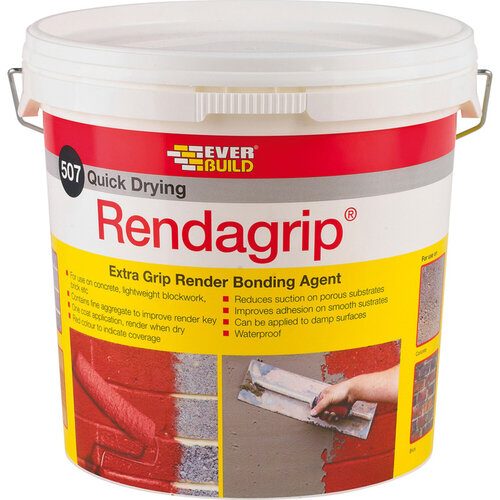
Everbuild 507 Rendagrip Bonding Agent - 10L
All-in-one primer and sealer for exterior render, 10L, red.
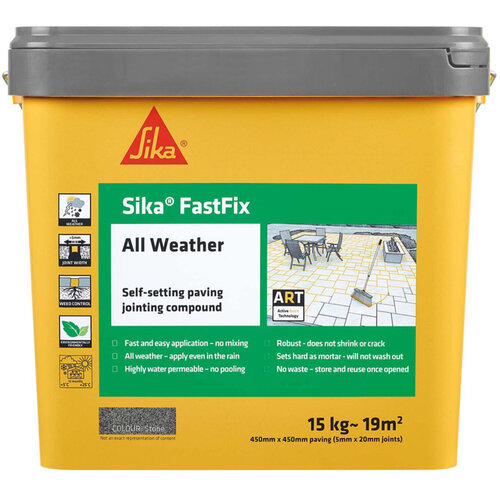
Sika Fastfix All Weather Self-Setting Paving Jointing Compound - STONE 15 KG
Self-setting jointing compound in Stone, 15kg, covers 18-21m² for exterior pavin…
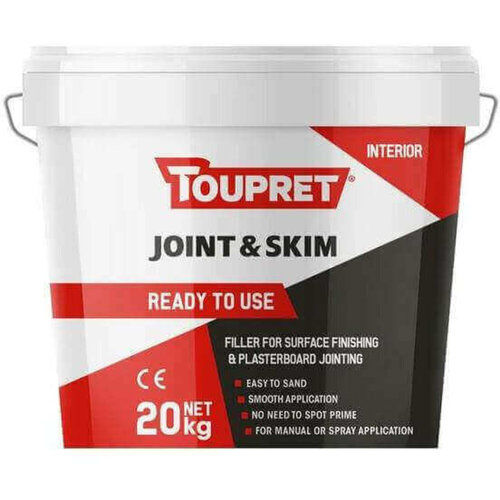
Toupret Joint & Skim Ready to Use
Ready-mixed plasterboard jointing compound, conforms to BS EN 13963
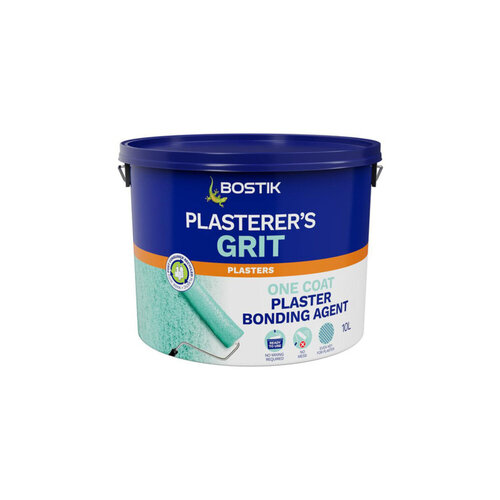
Bostik Plasterer's Grit - 10L
Interior plaster stabiliser primer, 10L, green colour for controlled coverage
Cure It Catalyst Hardener Summer Grade - 1L
1L summer grade hardener for roofing resin and topcoat
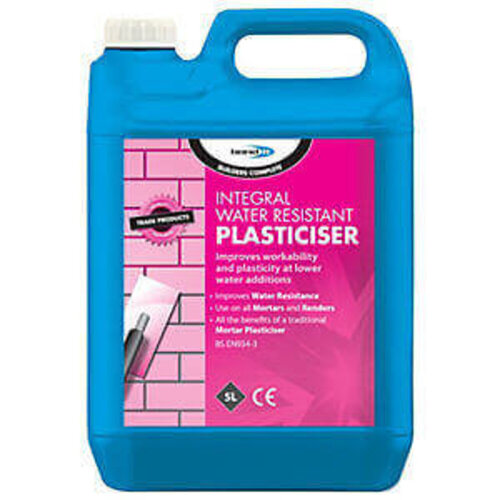
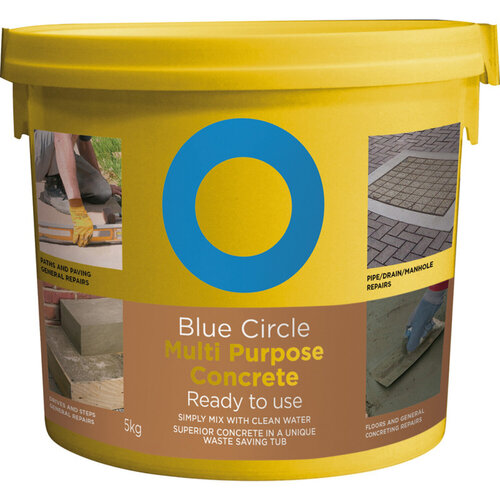
Blue Circle Multi Purpose Concrete Mix - 5kg
Blue Circle multi-purpose concrete mix 5kg, sets in 1-2 hours
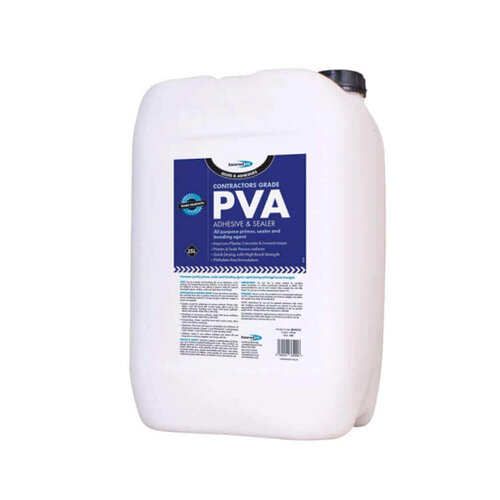
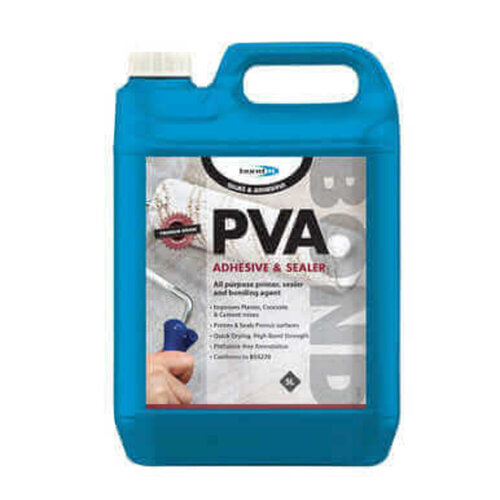
Bond IT Contractors Grade PVA - 25L White
25L white contractors PVA adhesive for plaster, timber and more.
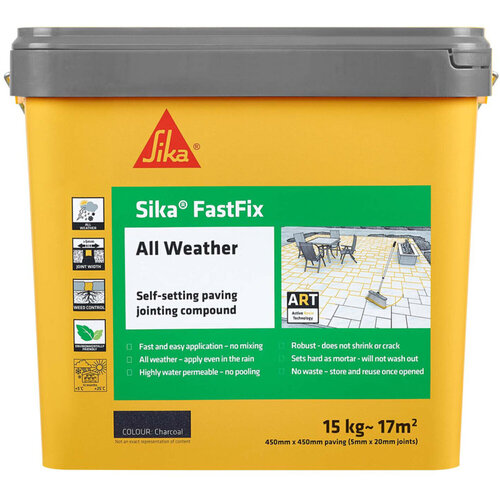
Sika Fastfix All Weather Self-Setting Paving Jointing Compound - CHARCOAL 15 KG
Self-setting paving joint compound for joints >5mm. Rain-resistant, weed-proof, …
For the Trade
Start with the space you’ve got and how the material will be used, then the rest of the choice usually falls into place. In aggregates and chemicals, that means deciding whether you need a free-draining finish, a firmer base, or something that will bed and compact properly without holding you up. A lot of call-backs come from picking on name alone and not on use. If you’re comparing Sealants & Adhesives, keep this one for the jobs where the aggregate or chemical spec is doing the work, not the finish.
Additives & Plasticisers
Most jobs in aggregates and chemicals come down to what you need the mix to do, not just what goes in it. If you need better workability, a slower or quicker set, or a bit more forgiveness in the mix, that is where Additives & Plasticisers comes in.
Use them when the spec is tighter than a straight sand-and-cement job, or when you want a cleaner finish without changing the whole mix. The trade-off is simple. You get more control, but you need to pick the right additive for the job rather than treating them all the same.
Cement Mix
Cement Mix is the one you pick when you want a ready-made balance rather than building it from separate materials. It suits straightforward concrete and mortar work where consistency matters more than tweaking the mix on the fly. Cement Mix is the narrower buy if you want that job-specific blend without pulling in the rest of the aggregates and chemicals range.
The trade-off is control. You give up some flexibility, but you cut the risk of batch-to-batch variation. That keeps a small job moving and helps avoid a weak or patchy mix.
Jointing Compound
Jointing Compound sits at the tighter end of the range. Pick it when the job needs a consistent finish, not a general-purpose fill.
Some mixes need more control. Others only need a dependable base material that stays consistent from load to load. This is where the looser option starts to cost you time later.
Pothole Filler
Pothole filler is the one you pick when the repair has to take traffic and stay in place, not break out after the first wet spell. Compared with lighter fillers in aggregates and chemicals, it suits deeper breaks, broken edges and patches that need a firmer body rather than a cosmetic top-up.
The trade-off is simple. You get a tougher repair, but it needs the right base material underneath or it will fail at the edges. If the job is more about bedding or general mix work, you’d be looking elsewhere in the range.
PVA Sealers
PVA Sealers come into play when you need to control suction before the next coat goes on, not when you’re trying to build body. That is the key difference from the other aggregates and chemicals on this page. It prepares the surface rather than changing the mix.
On porous backgrounds or patchy absorption, it helps keep the next material more even and less likely to flash off. Keep it separate from products meant to strengthen or fill. Use the right sealer, or you only hide the real issue.
Ready Mixed Plaster
Ready Mixed Plaster is the one you reach for when you want a consistent finish without mixing from scratch. It is not the answer for every patching job.
If you need the same behaviour from bag to bag, it cuts out the variability you can get with site-mixed options. The trade-off is simple. You give up some control over the mix, so it suits finishing work more than jobs where you want to tune the body yourself.
In aggregates and chemicals, that makes it the cleaner choice when speed and consistency matter more than adjusting the mix on the fly.
Choosing Materials and Size
What you buy here usually comes down to the job, the finish, and how much handling you want to do.
For concrete and base work, you are usually choosing between sharper, more angular material and sandier blends. The angular option gives more bite and structure. The sandier one is easier to work where you need a smoother bed.
Decorative stone and pea shingle are a different call. Here, appearance and drainage matter more than strength. If the job is about fixing, bonding, or sealing rather than bulk material, move over to Adhesives & Glues instead.
Completing the Setup
Once you’ve picked the mix, the next call is what sits around it. That covers the boards, screens and storage that keep the job moving, plus the finishes that follow on.
If you’re bringing in bulk bags of aggregates, plan access and where they’ll be tipped. A poor drop point costs more time than the material.
From there, trades often move on to adhesives & glues, sealants, or the next finish stage. It only makes sense when the substrate and programme suit it. That is usually what decides whether you order once or end up chasing extra materials halfway through.
Related searches
Local availability for Aggregates & Chemicals