Fillers, Foams & Putty
Start with what the repair needs to do once it’s dry. A multi-purpose filler covers everyday jobs, plaster filler gives a neater finish on sound plaster, and flexible filler is the one to use where cracking keeps coming back. The wrong fillers shrink, sand badly, or fail to hold on the substrate.
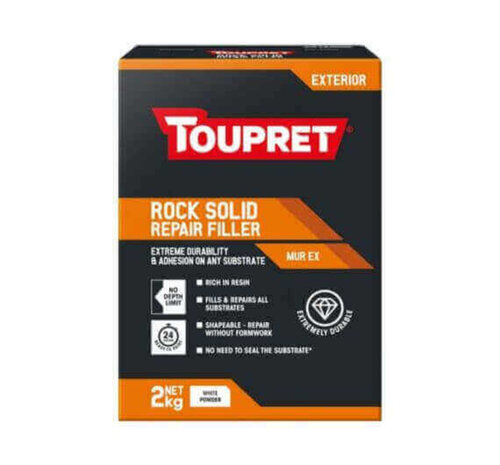
Toupret Rock Solid Repair Filler Murex - 2kg
Exterior masonry repair filler, rock hard, paint in 24 hours
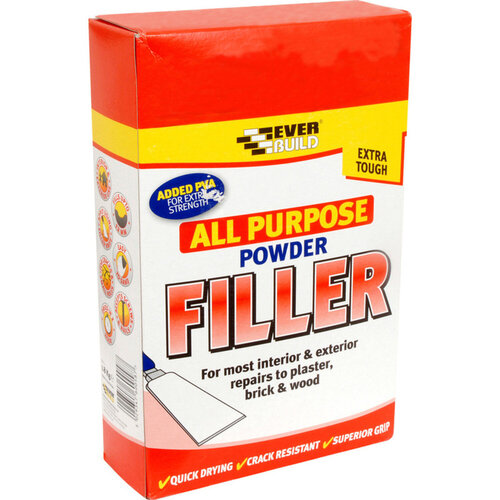
All Purpose Powder Filler - 1.5kg
1.5kg all-purpose powder filler; prevents finger trapping, fits most doors.
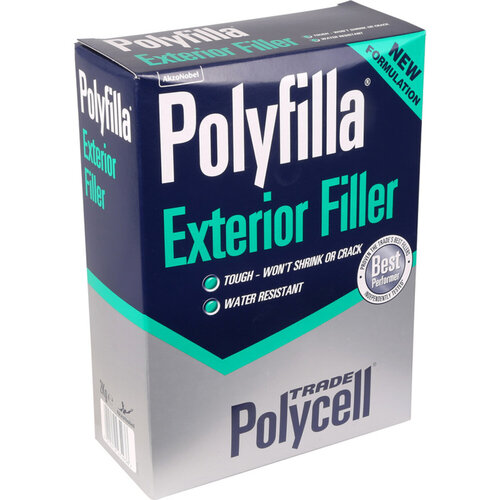
Polycell Trade Polyfilla Exterior Filler - 2kg
High-strength cement filler for tough exterior repairs
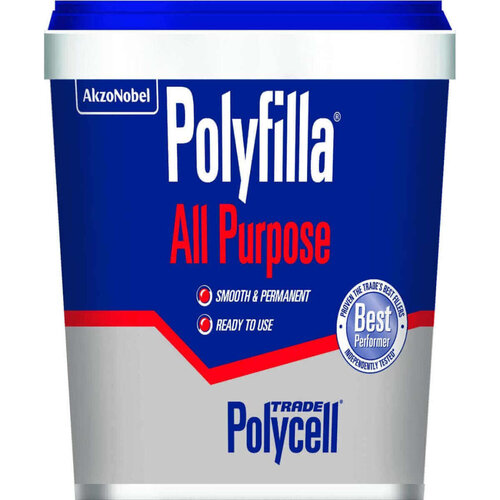
Polycell Trade Polyfilla All Purpose Ready Mix - 1kg
Ready-mixed all-purpose filler for interior and exterior repairs, 1kg
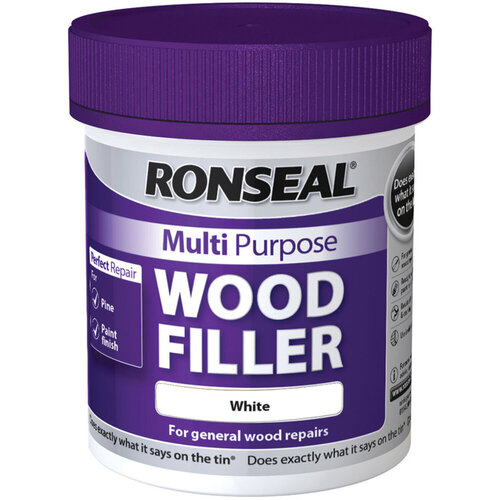
Ronseal Multi Purpose Wood Filler 250g - Ronseal Multi Purpose Wood Filler White…
White multi-purpose wood filler for interior and exterior repairs, 250g
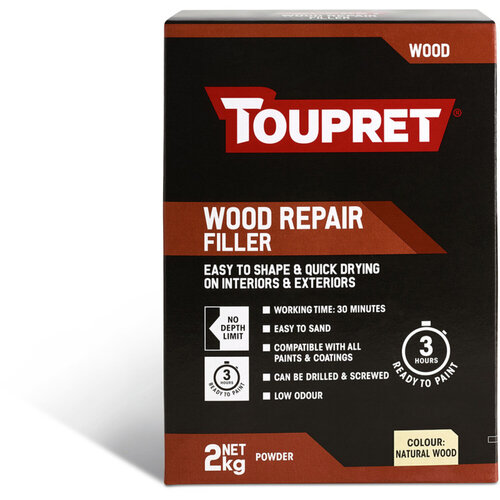
Toupret Wood Repair Filler 2kg - Natural Wood
Quick-drying wood repair filler, natural colour, 2kg, interior & exterior.
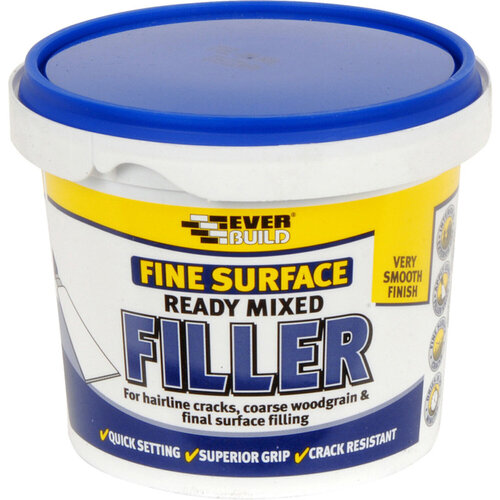
Fine Surface Ready Mixed Filler - 600g
Ready-mixed fine surface filler for interior and exterior repairs
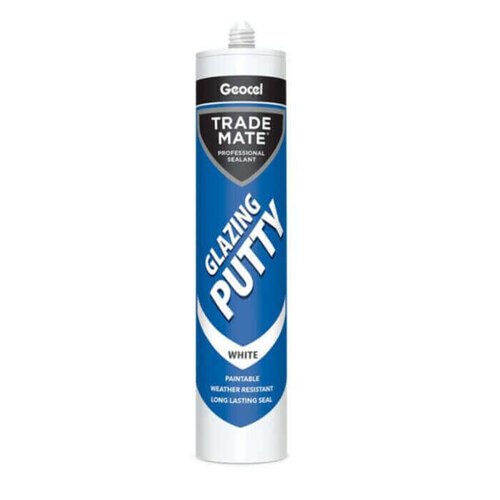
Geocel Trade Mate Glazing Putty - 310ml
310ml solvent-free acrylic glazing putty
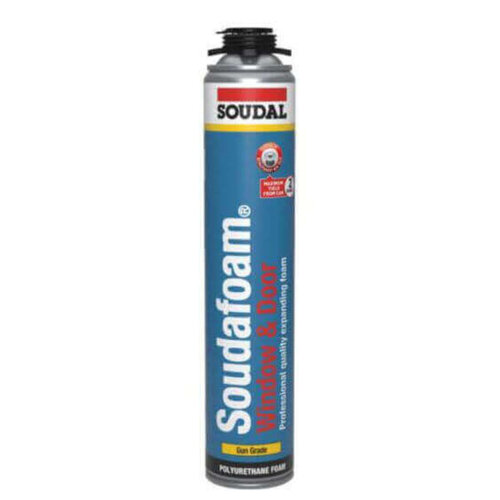
Soudal Soudafoam Window & Door Expanding Foam Gun Grade - 750ml
Gun grade expanding foam for windows and doors, 750ml
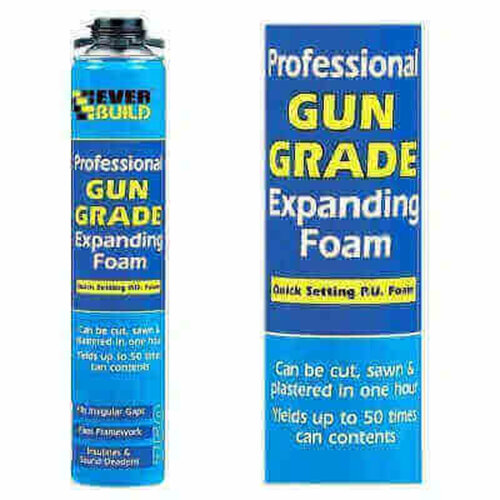
Everbuild Gun Grade Expanding Foam - 750ml
750 millilitres gun grade expanding foam, expands up to 50x, quick setting
For the Trade
Start with the space you’ve got and how the repair needs to perform. Tight access and small patching usually call for something quick and easy to tool. Deeper repairs or rougher backgrounds need more body. A flexible filler makes sense where movement keeps showing through, but you lose some ease on a simple skim. If you’re matching into a bigger scheme from Sealants & Adhesives, that’s usually where the spec gets settled.
Applicator Guns
You’re usually choosing between speed, finish and how much movement the repair has to take. Standard fillers suit straightforward patching where you want a clean fill and can get back on with the job. A flexible filler is the one to reach for where the joint or crack is likely to move again.
A plaster filler is the neater call on skim and board repairs, but it’s not the one for rougher backgrounds. If you’re working from a gun, Applicator Guns are the next buy to match the material and keep the bead under control.
Expanding Foam / Applicator Guns
For this part of the job, the first question is whether you need a gun or not. Hand-applied fillers are fine for patching and finishing. Expanding Foam / Applicator Guns make more sense when you’re using foam regularly and want better control at the nozzle.
The trade-off is simple. A gun gives you cleaner placement and less waste, but it only pays if you keep it clean and in use. For a one-off fix, a standard can is usually the easier buy.
Expanding Foam Gun Cleaner
If you’re buying for foam work, the first question is whether the gun stays in service or whether you’re cleaning up after one job.
That’s where Expanding Foam Gun Cleaner comes in. Use it to flush residue before it hardens and starts causing blocked valves or a sticky trigger. If the foam has already set solid, cleaner won’t bring the gun back. Keep it on the van, not on the wish list.
Expanding Foams
Expanding foams are the one you reach for when the gap is too deep or irregular for ordinary fillers to make sense. They suit voids around frames, service penetrations and awkward backfill where you need the material to expand and take up space, not just sit in the face of the repair.
The trade-off is control. Once it’s in, you work with expansion and cure time, so overfilling is what usually causes the mess. If the job only needs a neat surface repair, a plaster filler or flexible filler is the cleaner call.
Masonry Fillers
Masonry fillers are the ones you reach for when the repair has to hold on to a harder background, not just disappear under paint. If the surface is crumbly, dusty or open-textured, you need something that keys in properly instead of sitting on top.
That is the main difference from a general plaster filler, which is usually the quicker call on cleaner internal work. For solid external patching or damaged brickwork, masonry fillers are normally the one to use.
Multi Purpose Fillers
Multi-purpose fillers are the ones you reach for when you need one product to cover a few common repairs without overthinking it. They suit mixed substrates, small defects, and jobs where you do not want a separate tub for every fix.
You do give up some performance compared with a more specific filler. If the repair is likely to move, use a flexible filler. For deeper or harder external work, move to a more specific option rather than trying to make one filler do everything.
Selection Factors for Fillers, Foams & Putty
If the repair has to disappear under paint, start with the background and any movement, not the label on the tub. A finer filler suits skimmed plaster and small internal repairs. A flexible filler is the call where the joint is likely to move after the job’s done.
Go heavier duty when the patch needs more body or a tougher set. You usually give up a bit of forgiveness on the finish, and there is more sanding to do.
If you are fixing and bonding rather than filling, Adhesives & Glues is the place to look.
Finish the Room
Once you’ve picked the filler, the next call is what still needs finishing around it. If you’re closing out a room, the filler often sits alongside the wall finish, trims, and any panels or screens going in after the repair.
That’s where the job gets judged. A neat patch in the wrong place still stands out. If it needs to bond as well as fill, move over to adhesives & glues. For regular foam work, the right applicator guns and expanding foam gun cleaner keep the next job moving.
Related searches
Local availability for Fillers, Foams & Putty