Sealants, Silicones & Tools
When you’re choosing sealants, silicones & tools, start with what the joint needs to do. A general-purpose cartridge will cover plenty of everyday work, but heavier-duty or higher-grab options come in when the bead needs to hold before cure or cope with more movement. The substrate and finish usually decide it. Get the grade wrong, and you risk callbacks - poor adhesion or a bead that won’t stay neat.
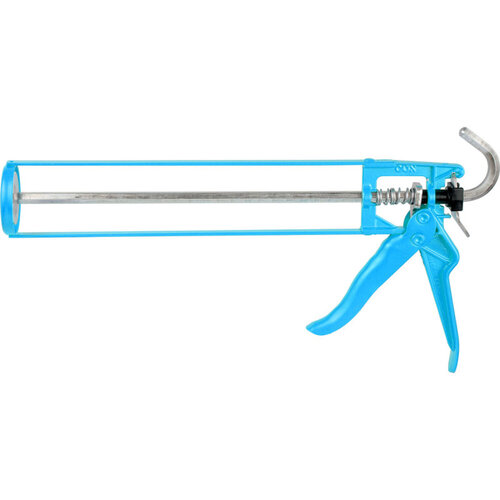
PC Cox Easiflow Sealant Gun - Up to 400ml
Skeleton sealant gun for cartridges up to 400ml, with metal construction and eas…
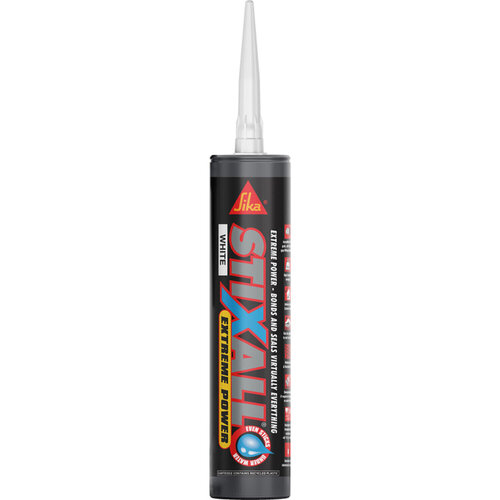
Sika Stixall Extreme Power, Building Adhesive and Sealant Hybrid, 290ml - White
Sika Stixall Extreme Power white hybrid adhesive & sealant, 290ml
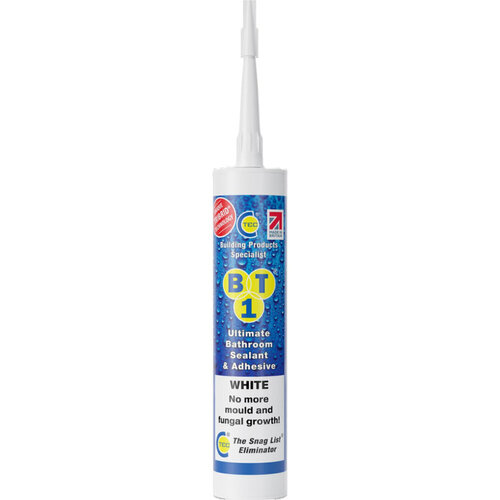
C-Tec BT1 White TRIBRID® Multi Purpose Sealant & Adhesive - 290ml
Multi-purpose sealant and adhesive with TRIBRID® technology, solvent-free, mould…
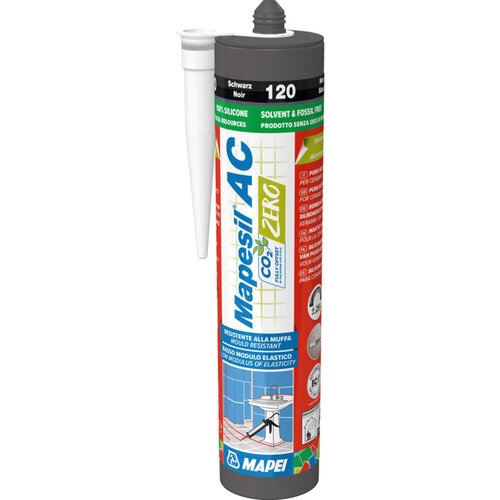
MAPEI Silicone Mapesil AC Colour Sealant - 310ml 120 Black
Mapei Mapesil AC black silicone sealant 310ml
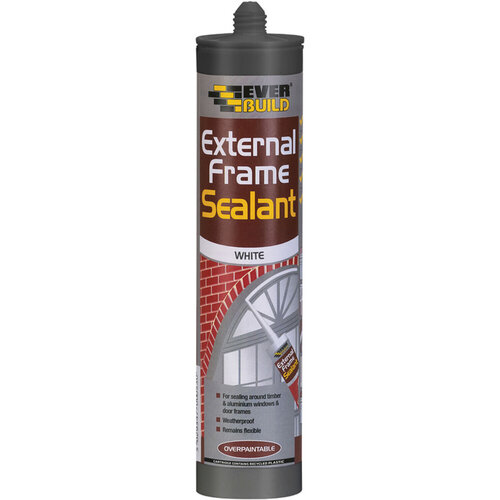
Window & Door External Frame Sealant - 290ml White
Paintable, mould-resistant frame sealant for indoor & outdoor use, 290 ml white
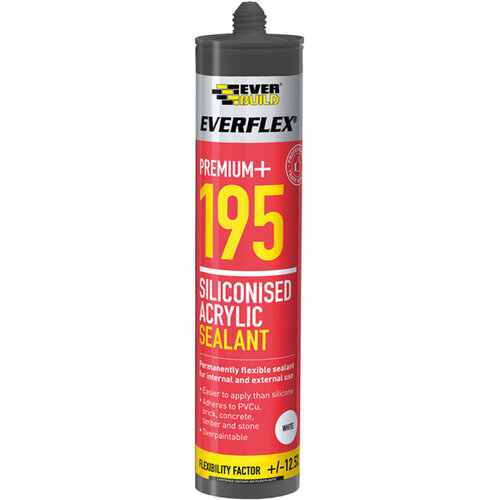
Siliconised Acrylic Sealant - 300ml White
300ml white siliconised acrylic sealant, over paintable and mould resistant
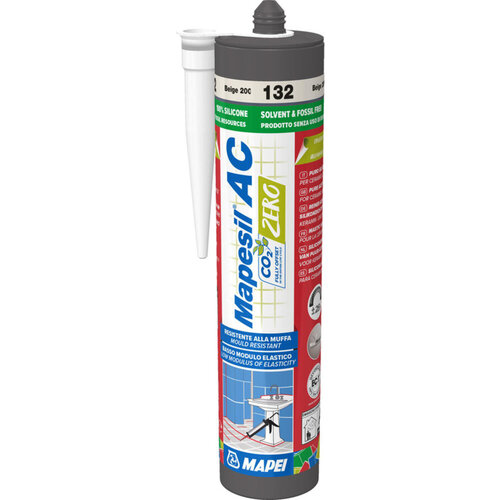
MAPEI Silicone Mapesil AC Colour Sealant - 310ml 132 Beige
Brown 100% acetic silicone sealant, 310ml
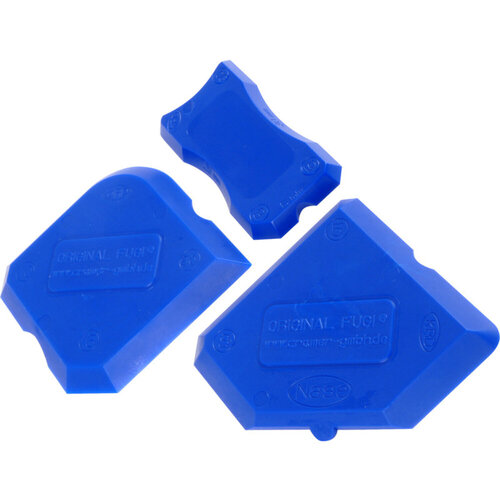
Cramer Fugi Profiling Tool Set - 16 Shapes 3 Piece
3-piece profiling tool set for smoothing sealant with 16 profile shapes, 5-16mm …
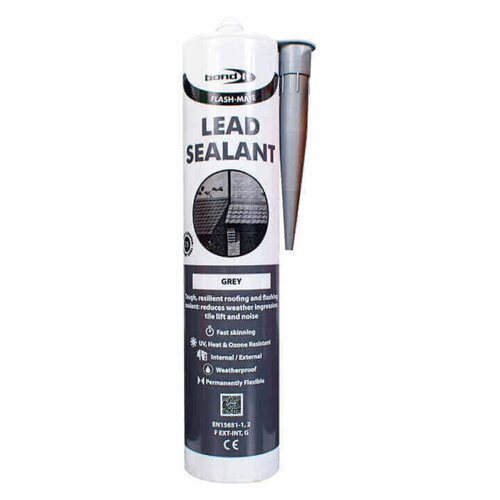
Bond IT Lead Sealant Grey - 300ml Grey
310ml grey silicone lead sealant for interior and exterior roofing
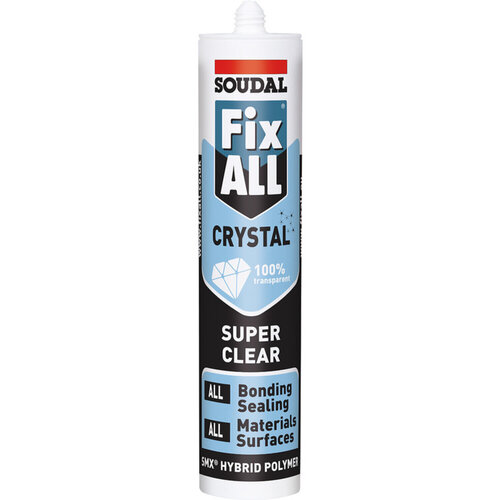
Soudal Fix All Crystal Adhesive & Sealant - 290ml Clear
Soudal Fix ALL Crystal clear sealant, 290ml tube
For the Trade
Start with the space you’ve got and how the joint will be used. That sets the rest of the choice. In tight runs or awkward access, you need products that stay controllable and keep the job moving. On bigger jobs, cartridge choice and gun feel matter more than the label on the tube. Sealants & Adhesives is the parent hub if you need to step back and compare the wider range. Most of the time, the decision comes down to a cleaner finish, a stronger hold, or a bit more working time.
Caulking Guns
The gun matters as much as the tube. A light one is fine for short runs and softer materials. Once the cartridge gets stiff, it starts to show.
A smoother trigger and decent thrust make the bead easier to control. That’s where Caulking Guns earn their keep.
Cheap guns make sense for odd jobs. If you’re laying a lot of bead, a better-built one is worth the money. It saves your hand and keeps the finish cleaner.
Decorators Caulk
Decorators caulk is the one you reach for when the finish matters more than movement or chemical resistance. You’d usually pick it for internal trim, small gaps and paintable joints where you want a neat line and a quick turnaround, not a heavy-duty seal.
It differs from more flexible products in Decorators Caulk because it is there to finish the job cleanly, not to take much stress. If the joint is going to move, or the area needs a tougher seal, you move away from this and into another option.
Hybrid Sealants & Adhesives
Hybrid Sealants & Adhesives are the ones you reach for when you want one product to bond and seal, rather than splitting the job between two tubes.
They suit fixing where a bit of movement is expected, and where a straight adhesive can be too rigid. They are not the answer if the spec calls for a dedicated sealant or a full structural bond. That is the trade-off. Fewer product changes on the van, but you give up some of the specialist performance you get from a single-purpose tube.
In this range, Hybrid Sealants & Adhesives are the narrower buy when you want that middle ground.
Sealants
Sealants come down to two things: how much movement the joint needs to take up, and the finish you need to leave behind. If the joint will keep working, choose a sealant that stays flexible and holds its line. If you need sticking and sealing in one go, a hybrid usually earns its keep.
Most call-backs come from the wrong grade for the substrate, or movement that was underestimated. Keep the cartridge choice tied to the joint, not just the colour on the shelf, and you narrow it down quickly.
Silicone Remover
Silicone remover is the one you reach for when the old bead has to come out clean before you put anything back. It does not replace the sealant choice itself. It deals with the residue that stops a new line sitting right.
On a lot of jobs, that is the difference between a tidy re-seal and an edge that gets picked at later. If you are only clearing fresh smears, a lighter cleaner may do. Once the cured stuff has bonded, you need the proper remover rather than wasting time scraping and marking the substrate.
Siliconing Tools
Siliconing tools are what you reach for when the bead has to come out clean first time. If you’re doing visible work, the tool matters. A decent finisher saves you chasing edges and reworking joints.
For rougher jobs, a basic set is usually enough. Around sanitaryware, frames or worktops, control matters more than speed. That is the difference between a clean finish and one that needs touching in later.
Selection Factors for Sealants, Silicones & Tools
The first question is what the joint has to do. A neat internal seal, a movement joint, or a fixing that needs grab all point you at different products, and that narrows down sealants, silicones & tools quickly.
If you need a bead that stays flexible and finishes clean, standard silicone is usually the call. If the job needs bonding as well as sealing, silicone adhesives make more sense, but you give up some of the easy rework you get with a plain sealant. When the spec is more about fixing than finishing, Adhesives & Glues is the better place to look.
Tool choice matters too. A poor gun or the wrong finishing kit will show up on the job long before the tube does.
Finish the Room
Once you’ve picked the sealant, the next call is usually what’s going around it. On a bathroom or kitchen job, that means the panel, screen, storage or finish that meets the joint. A good bead won’t rescue a poor edge detail.
If you need a cleaner line, get the trim or finishing material sorted before you start. If the old bead is staying put, silicone remover saves you chasing residue later. When you need fixing and sealing in one go, silicone adhesives make more sense than forcing a standard sealant to do both jobs.
Related searches
Local availability for Sealants, Silicones & Tools