Flashing Tape
Flashing tape comes down to what you’re sealing and how much movement you expect. Butyl versions usually suit awkward details and mixed substrates because they stay more forgiving. Bitumen and lead-effect options are often picked where you want a more traditional roof finish and a firmer feel. Window flashing tape is the one you’d normally reach for on frames and perimeter sealing. The usual mistake is choosing by width alone and ignoring how it grips the actual surface.
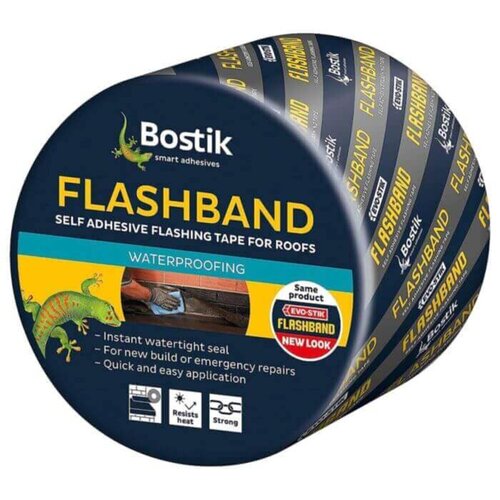
Bostik Flashband Original Self-Adhesive Flashing Tape - 450mm x 10m Grey
Self-adhesive flashing tape, 450mm x 10m, grey, for damp proofing
Sika Feb Black Jack Flashing Tape - 100mm x 10m
Flashing tape 100mm x 10m
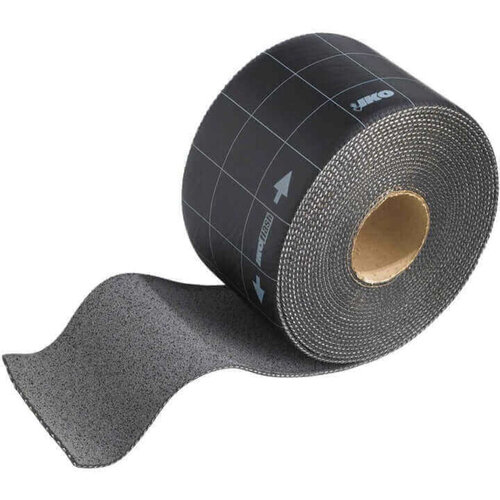
IKO Ikoflash Lead-Free Flashing - 6m x 250mm
6m x 250mm lead-free flashing
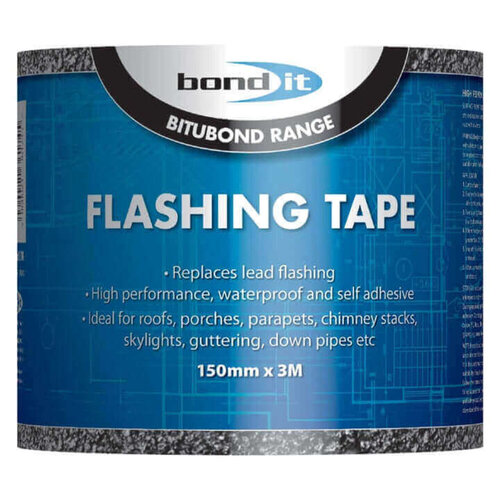
Bond IT Flashing Tape + Primer - 225mm x 3m
Bond It flashing tape with primer, 225mm x 3m.
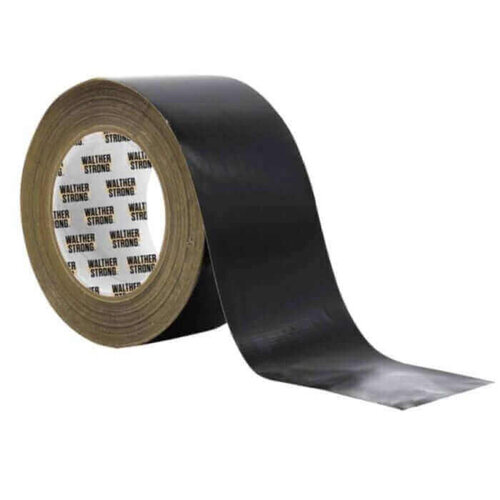
Walther Strong Deck Frame Sealing Tape - 82mm x 20m
82mm x 20m non-butyl sealing tape for deck frame joist protection, UV stable, se…
Evo-Stik Flashband Flashing Tape - 3.75m x 150mm Grey
Self-adhesive flashing tape 3.75m x 150mm, grey
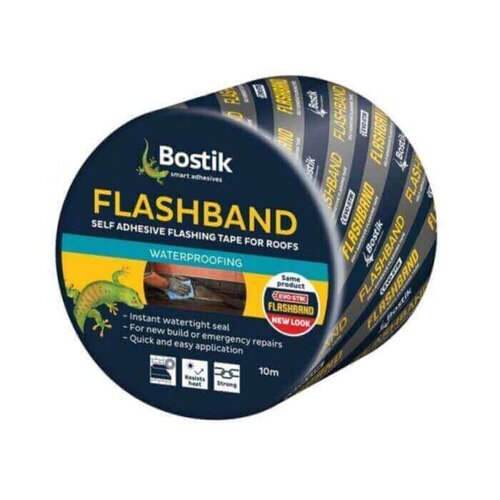
Bostik Flashband Original Self Adhesive Flashing Tape - 75mm x 10m Grey
Self-adhesive flashing tape, 75mm x 10m, grey
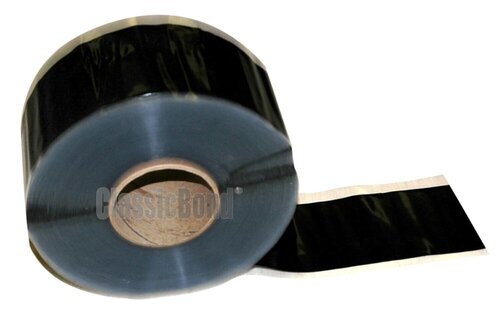
Classicbond Pressure Sensitive Securtape - 0.71mm x 76mm x 30.5m
Pressure sensitive EPDM roofing tape, 76mm x 30.5m roll
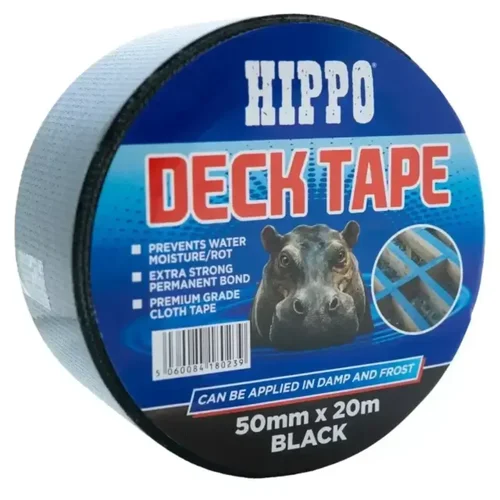
Hippo Deck Tape - 50mm x 20m
50mm x 20m deck tape
For the Trade
Start with the space you’ve got and how the detail will be used, then narrow flashing tape by the surface and the amount of movement you expect. A tight run around a frame needs a different tape to a rougher roof repair, where you want more grab and a bit more forgiveness. On awkward corners or mixed materials, the priority is a tape that stays put first time, not the one that looks neat on paper. Finish and accessory choices come after that. Get the detail right and you avoid the call-back that comes from picking the wrong tape for the job.
Popular Flashing Tape Formats
Butyl flashing tape suits awkward junctions and mixed materials because it stays more forgiving as the detail moves. The trade-off is a softer feel in the hand.
Bitumen flashing tape fits more traditional roof work where you want a firmer, heavier sealing strip. Lead flashing tape is the pick when the job needs a lead-effect finish and a more familiar look.
Roof flashing tape is the broad external option. Window flashing tape gives a neater edge around frames. Weatherproof flashing tape is the straightforward call when the brief is simply to keep water out without overcomplicating it.
If you’re comparing the rest of the range, the Tapes page keeps the sibling options in one place.
Key Differences When Choosing
Start with what you’re sealing and how much movement sits in the detail. A rigid roof edge needs a different tape from a frame or mixed-material junction, and that’s where call-backs usually start if you get it wrong.
Butyl versions usually suit awkward, uneven details because they stay more forgiving. Bitumen and lead-effect types are more often picked where you want a more traditional finish. For fixing materials rather than sealing weather out, Double Sided Tape is the better fit. Carpet Tape is for floor work.
Next Decisions After Choosing
Once the flashing tape is chosen, the next call is the surrounding finish and any trim that has to sit over it. If the detail is being closed in with panels or a screen, you want enough overlap to protect the edge without asking the tape to do all the work.
Where the job runs into a frame, waste, or adjacent wall finish, check the next trade item now. That is where you avoid a neat tape line being spoiled by the wrong cover piece or fixing. Poor edge treatment causes more call-backs than the tape itself.
Related searches
Local availability for Flashing Tape














