Repair Tape
Repair tape is what you reach for when the job needs a quick hold and you’re not replacing the whole assembly. Use heavier, reinforced versions when the repair has to stay put under strain or weather. Lighter mending tape works better for clean short-term fixes where bulk would get in the way.
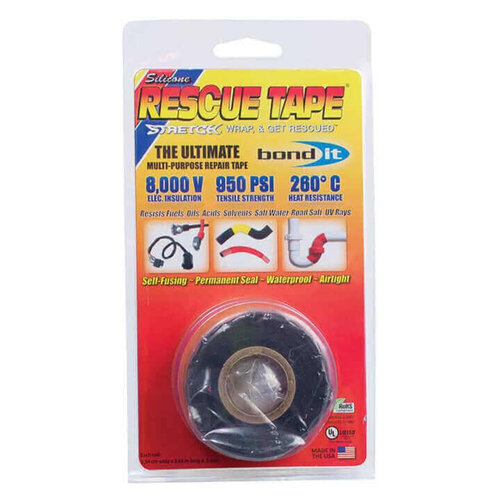
Rescue Tape Self Fusing Silicone - 3.5m Clear
Clear self-fusing silicone tape, 3.5 metres long
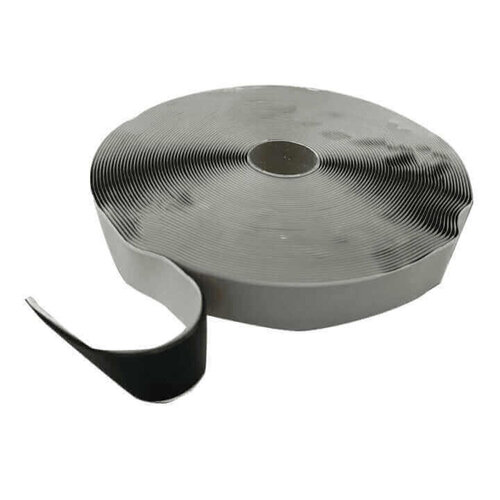
Wykamol Tape - 28mm x 22m
Wykamol tape, 28mm wide by 22m long
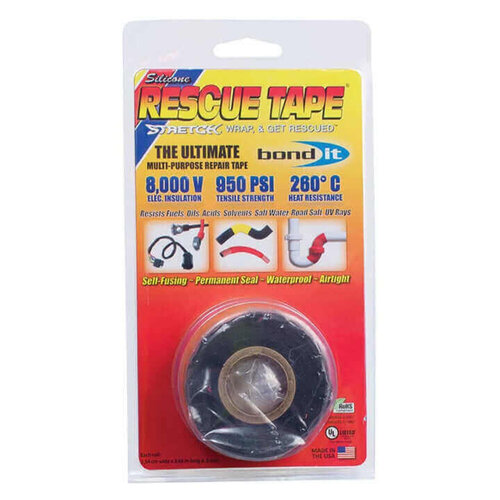
Rescue Tape Self-Fusing Silicone Tape - 3.5m Black
3.5m black self-fusing silicone repair tape
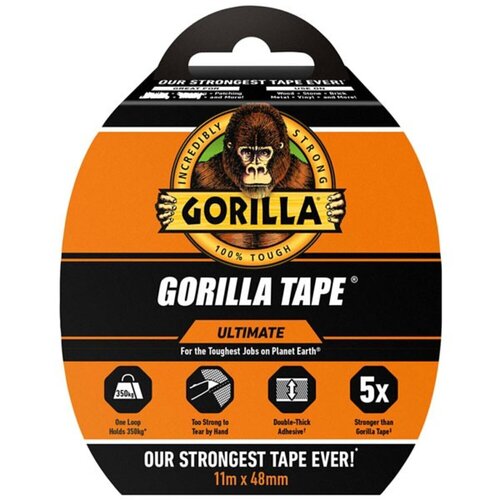
Gorilla Glue Gorilla Tape Ultimate - 11m Black
Durable 11m black tape for outdoor repairs and rough surfaces
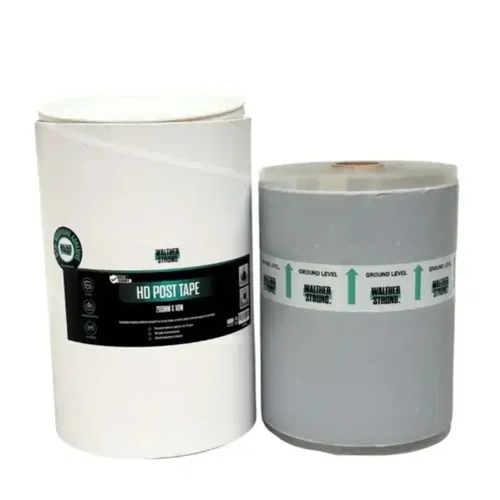
Walther Strong HD Post Tape - 200mm x 10m
200mm x 10m grey HD post tape with M50+ rubber adhesive.
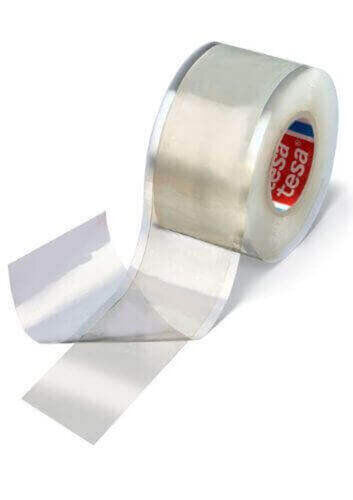
Tesa Xtreme Conditions Premium Transparent Tape - 3m x 25mm
Tesa Xtreme Conditions transparent tape, 3m x 25mm.
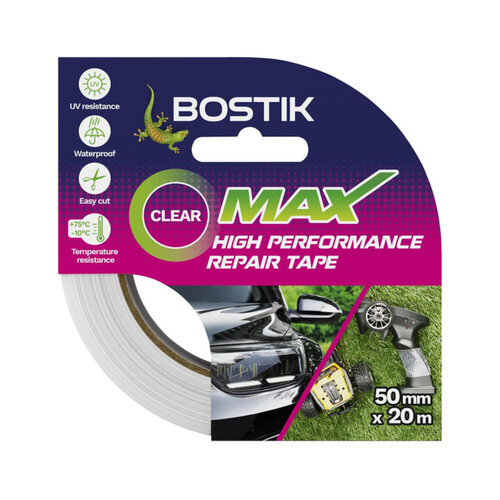
Bostik Max Repair Tape - Clear 50mm x 20m
Strong waterproof repair tape for leaks & cracks, indoor & outdoor
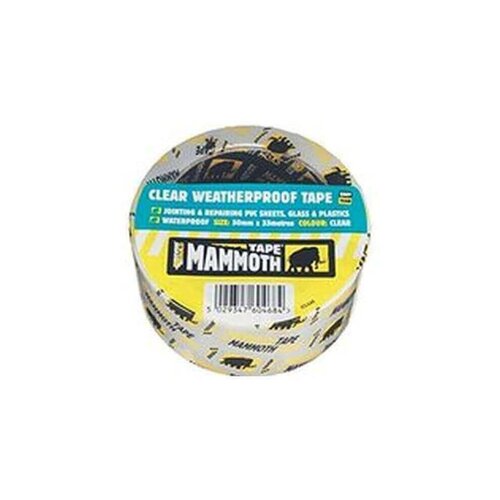
Everbuild All Weather Tape - 50mm x 10m Clear
Clear weatherproof tape, 50 millimetres x 10 metres, with aggressive adhesive fo…
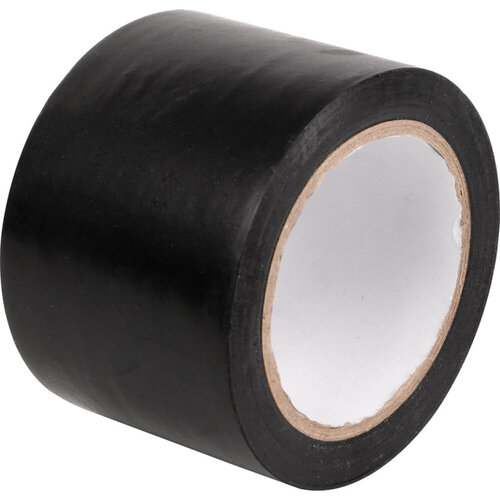
Single Sided PVC Tape - 33m x 75mm
High-tack single-sided PVC tape for sealing membrane laps
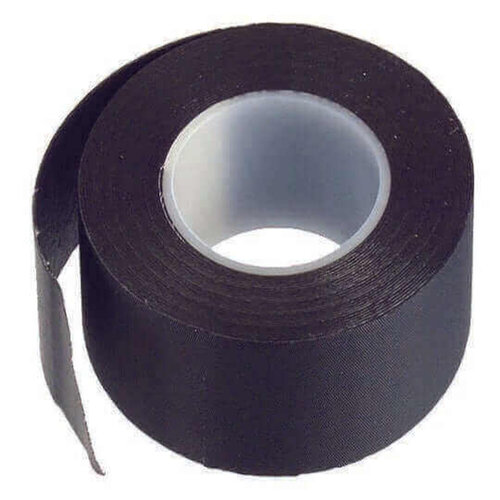
Rubbaweld Rescue Tape - Black
Rubbaweld Rescue Tape in black
For the Trade
Start with the space you’ve got and how the tape will be used, because that usually decides the spec before you get into finish or backing. If it’s a tight repair with little room to work, you want something that lays flat and grips cleanly first time. If the area sees movement, moisture or abrasion, a more reinforced repair tape is usually the call, even if it’s less forgiving to position. A lighter mending tape can work for straightforward patching, but it’s the one that gets questioned when the job is carrying strain or staying exposed.
Types of Repair Tape
Repair tape usually falls into three jobs at the counter. Basic mending tape is for quick, light-duty fixes. Trade repair tape sits in the middle when you need a cleaner finish than a heavy-duty roll but more hold than a simple patch. Heavy duty repair tape and industrial repair tape are the ones you pick when the repair has to take strain, abrasion, or repeated handling. Weatherproof repair tape comes into play where moisture or exposure is the issue.
The lighter stuff is easier to handle and usually cheaper. The trade-off is simple: if the repair has any pull on it, that’s the one most likely to come back.
Reinforced grades give you a firmer hold and better tear resistance. They’re not always the neatest choice on a small, flat patch. If you’re comparing the wider Tapes range, that’s the split between a temporary mend and something you expect to stay put.
Selection Factors for Repair Tape
For repair tape, start with what the patch has to take. A clean, flat repair usually suits a lighter mending tape. It keeps the job neat and is easier to handle.
Once there’s movement, abrasion or weather in play, move up to a reinforced repair tape. You get more hold, but it gives less on tight corners. If you’re joining two surfaces rather than patching damage, look at Double Sided Tape. For floor work or a temporary hold-down, Carpet Tape is the closer fit.
Finish the Room
Once you’ve picked the repair tape, the next call is what else still needs finishing around it. On a patch-up job, you may still need a clean edge against a panel, a screen, or a finished surface, and that’s where the surrounding materials matter more than the tape itself.
Keep weatherproof repair tape back for exposed work. If the job is about joining surfaces rather than patching damage, double sided tape is the better fit. Carpet tape is a different job again. Once floor covering is involved, you want the right hold, not a general mending tape that’ll be back on the van next week.
Related searches
Local availability for Repair Tape

















